Sudden Withdrawal Shocks Observers (Image Credits: Unsplash)
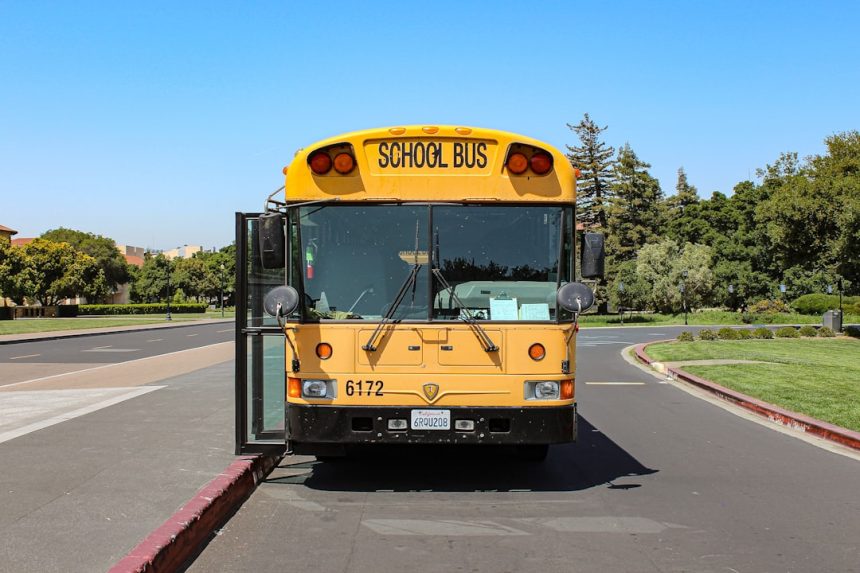
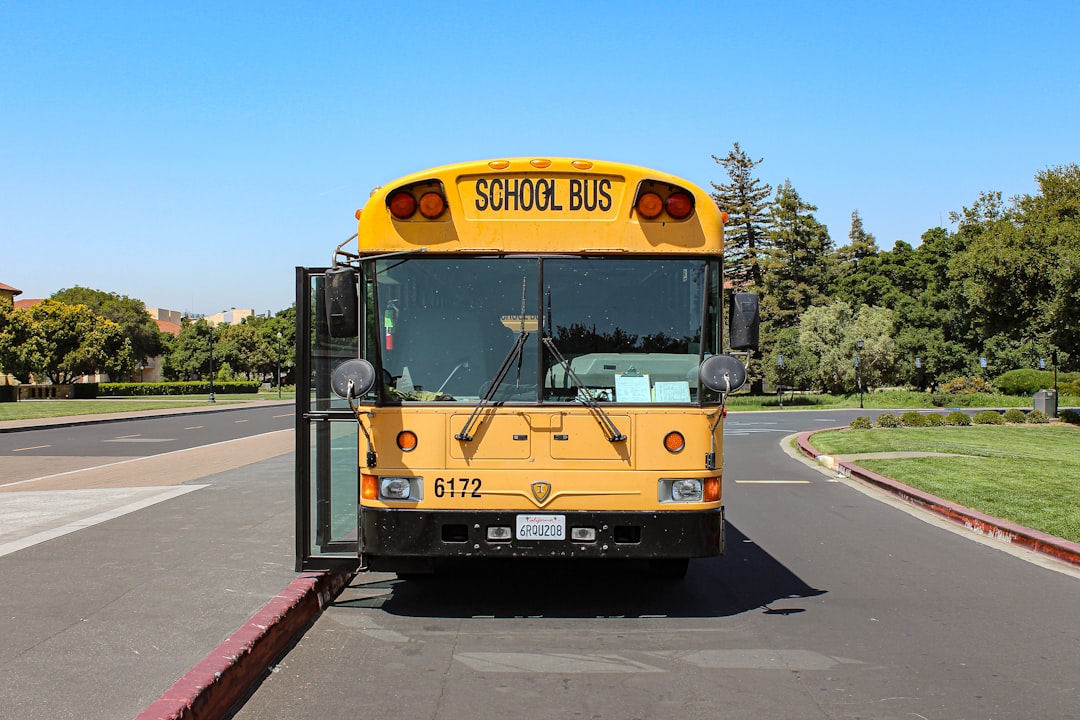
Las Vegas – The Clark County School District board trustees removed a key vote from their agenda on Thursday, halting plans to install cameras on school buses designed to ticket drivers who illegally pass stopped vehicles.[1][2]
Sudden Withdrawal Shocks Observers
Superintendent Jhone Ebert withdrew the item just before the February 26 meeting, citing complex operational and administrative issues uncovered during reviews of other districts’ experiences. The proposed contract with Verra Mobility appeared on the consent agenda for routine approval, but the last-minute change left the program’s future unclear. Board members approved the revised agenda without discussion, marking a significant setback for the initiative.[1]
Ebert emphasized the district’s commitment to student safety in her statement. She thanked state legislators for passing Assembly Bill 527, which enabled the cameras after a local pilot program. The decision surprised vendor representatives and safety advocates who viewed the technology as a vital tool against reckless driving.[2]
Pilot Reveals Widespread Violations
A BusPatrol pilot on 30 CCSD buses recorded nearly six illegal passes per bus each day, prompting 64 citations this school year compared to 51 the previous year. These incidents occur when motorists ignore the extended stop arm as students board or exit, creating hazardous conditions near roadways. State law now permits automated ticketing based on video evidence reviewed by district police.[1][3]
The cameras activate automatically upon stop-arm deployment, capturing license plates for potential $250 fines on first offenses. Officials projected up to $40 million in first-year revenue, split with the vendor at no upfront cost to the district. Funds would support enforcement, infrastructure, and safety efforts, though projections expect declines as driver behavior improves.[3]
Controversy Brews Over Motives and Challenges
Critics questioned whether the program prioritizes fines over protection, dubbing it a potential “cash grab.” A BusPatrol protest alleged irregularities in vendor selection, favoring Verra Mobility despite the pilot provider’s experience. The ACLU of Nevada, initially neutral, called for restarting the bidding process to address privacy and equity concerns.[1]
Implementation hurdles include jurisdiction for citations across the Las Vegas Valley and video review logistics. Clark County Sheriff Kevin McMahill indicated the Metropolitan Police Department would not handle reviews, complicating enforcement. Verra Mobility Vice President Melba Rivera lamented the delay, stating, “These are life-saving programs, and right now, every day that it’s delayed, it’s lives that are endangered.”[1][4]
- Nearly six violations per bus daily in pilot.
- $40 million estimated initial revenue from fines.
- 75% revenue share to CCSD under Verra proposal.
- National data: Rare fatalities, but high injury risk.
- Two-year contract with five renewal options.
National Context Highlights Mixed Results
Programs in places like Polk County, Florida, issued over 6,250 citations in months, generating $1.4 million while reducing violations by nearly 50%. Similar drops occurred in Rhode Island, suggesting deterrence value. However, some areas faced lawsuits over erroneous tickets and due process issues.[5][3]
Fatalities remain low nationally, with six children killed in bus zones last year, all struck by buses themselves. Nine deaths from passing vehicles occurred over five years. Experts advocate combined strategies, including better bus stops and awareness campaigns required by Nevada law.[1]
Key Takeaways
- CCSD pilot exposed frequent illegal passes, underscoring need for enforcement.
- Delay stems from vendor protests and logistical questions.
- Revenue potential high, but critics fear over-reliance on fines.
The postponement underscores the delicate balance between enhancing road safety for thousands of students and ensuring a fair, effective system. As CCSD reviews options, the district must address enforcement gaps to rebuild momentum. What steps should prioritize child safety on Las Vegas roads? Share your thoughts in the comments.