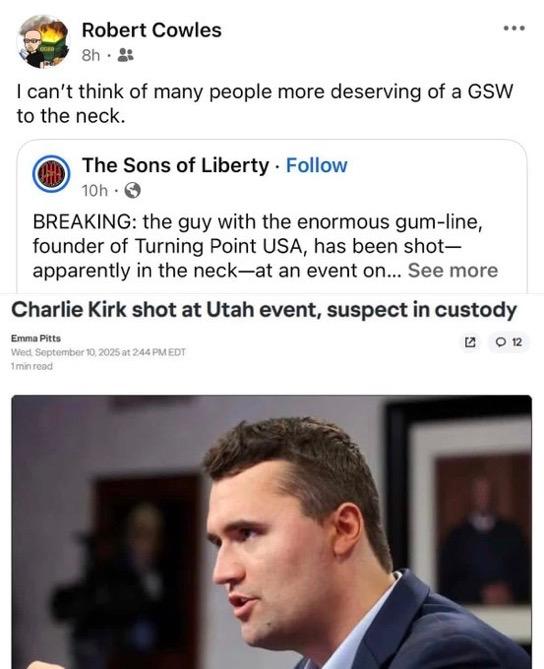
In response to recent social media activity involving employees,the Clark County School District (CCSD) has confirmed that teachers who have made public posts about conservative commentator Charlie Kirk are currently not assigned to classroom duties. The district’s statement comes amid ongoing scrutiny over educators’ public expressions and their impact on school environments. This development highlights the growing tensions surrounding political discourse within educational settings and the measures taken by school authorities to address potential concerns.
CCSD Responds to Controversial Social Media Posts by Teachers
In response to recent social media posts featuring CCSD teachers expressing opinions about Charlie Kirk, the district has taken immediate action by reassigning the involved educators away from classroom duties pending further review. This decision underscores CCSD’s commitment to maintaining a learning environment that is respectful and unbiased. District officials emphasized that personal views should not influence the educational setting,reiterating their dedication to supporting a diverse and inclusive community.
The district outlined the following key points regarding its stance and next steps:
Partner offer

- Neutrality in the Classroom: Teachers must uphold professionalism and avoid public expressions that could disrupt the learning atmosphere.
- Inquiry Process: An internal review will be conducted to assess the impact of the posts and determine appropriate outcomes.
- Support for Students: Emphasis remains on ensuring students feel safe and respected throughout the process.
- Future Guidelines: Development of clearer policies to guide staff on social media use and public commentary is underway.
| Action | Status | Expected Timeline |
|---|---|---|
| Teacher Reassignment | Completed | Immediate |
| Internal Review | Ongoing | 2-4 weeks |
| Policy Update Draft | In Progress | Next Quarter |
Impact of Online Activity on Classroom Assignments
Recent scrutiny over teachers’ online activity, specifically posts involving political commentator Charlie Kirk, has raised concerns about the integrity and focus of classroom instruction within the district. Administrators note that these activities may influence the content and approach of classroom assignments, potentially diverting from established curriculums. Teachers under review are alleged to have integrated subjective opinions linked to these posts, resulting in assignments that some deem controversial or misaligned with educational standards.
Key observations highlighted by district officials include:
- Assignments that reflect political bias or opinion rather than academic rigor
- Disparities in assignment approval processes due to unorthodox materials
- Increased parental and community concerns regarding classroom content
| Impact Area | Description | Reported Incidents |
|---|---|---|
| Curriculum Integrity | Assignments deviating from district guidelines | 15 |
| Student Engagement | Feedback indicating confusion or controversy | 22 |
| Parental Complaints | Official complaints regarding assignment content | 18 |
Legal and Ethical Considerations for Educators’ Public Statements
Educators hold a unique responsibility to maintain professional boundaries between their personal views and their role as facilitators of learning. When teachers publicly express opinions, especially on controversial political figures such as Charlie Kirk, they must navigate a complex landscape of legal and ethical frameworks designed to protect both their rights and the integrity of the educational environment. School districts frequently enough enforce policies that restrict teachers’ public commentary to ensure that personal beliefs do not influence or disrupt classroom dynamics, safeguarding students’ diverse perspectives. This balance aims to uphold the constitutional rights of free speech while prioritizing a respectful and neutral educational space.
Key considerations for educators include:
- First Amendment Rights: Teachers retain their right to free speech but this right is subject to limitations when speech conflicts with professional duties.
- District Policies: Many school boards have explicit codes of conduct that regulate public statements made by staff, especially on social media.
- Impact on Students: Public posts that might be perceived as partisan or inflammatory can affect the school’s learning atmosphere and student well-being.
- Reassignment or Disciplinary Measures: Some districts may reassign or limit classroom responsibilities as a consequence, reflecting the seriousness with which districts treat community concerns.
| Consideration | Description |
|---|---|
| Free Speech | Protected but regulated in professional contexts |
| School Policies | Guidelines on public conduct and social media use |
| Student Impact | Ensuring a nondiscriminatory, inclusive environment |
| Administrative Actions | Reassignment to protect educational integrity |
Recommendations for District Policies on Teacher Social Media Conduct
District administrators should consider establishing clear and consistent guidelines that define acceptable social media behavior for teachers, emphasizing the responsibility educators have as public figures. These policies must balance teachers’ right to free speech with the need to maintain a professional and inclusive learning environment. Key aspects should include:
- Clarity on political expression: Teachers should understand the boundaries regarding political posts, especially when these could be seen as conflicting with district values or student inclusion.
- Clear consequences: Clear disciplinary measures for violations help maintain trust and consistency.
- Regular training: Workshops on digital etiquette and the impact of social media on school climate.
| Policy Element | Description | Purpose |
|---|---|---|
| Social Media Guidelines | Outlined do’s and don’ts for online conduct | Maintain professional image |
| Reporting Mechanism | Clear steps to report inappropriate posts | Ensure accountability |
| Supportive Resources | Training and counseling opportunities | Promote understanding and growth |
By proactively adopting these kinds of thorough policies, the district can avoid ad hoc decisions and manage controversies more effectively, like the recent removal of CCSD teachers with posts about Charlie Kirk from classroom duties.This approach ensures all stakeholders—teachers, parents, and students—understand expectations and the importance of preserving a respectful educational environment.
Insights and Conclusions
As the controversy surrounding CCSD teachers’ social media posts about Charlie Kirk continues to unfold, district officials maintain that those educators will not be assigned to classrooms for the time being. The situation underscores ongoing tensions over political expression and professional boundaries within public education. CCSD has pledged to thoroughly review policies and communications to ensure a balance between staff rights and student welfare moving forward.
Partner offer
Planning a trip to Vegas?
Compare hotel rates and show tickets on VEGAS.com.