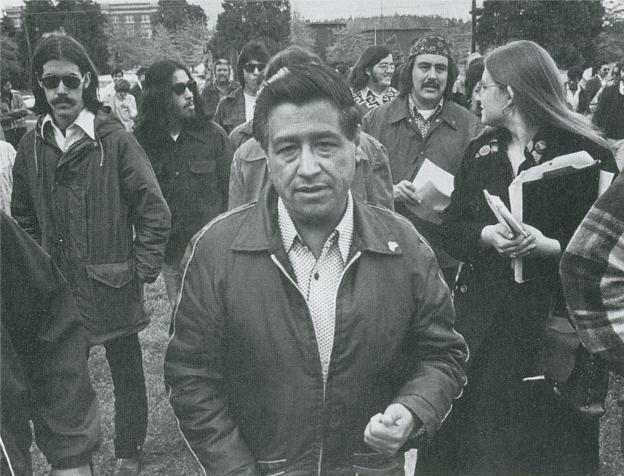
A Towering Figure in Civil Rights (Image Credits: Upload.wikimedia.org)
California – Recent accusations of sexual misconduct against Cesar Chavez have ignited a fierce debate over the revered labor leader’s place in history. Long celebrated as a champion of farmworkers’ rights, Chavez now confronts claims from former close associates that paint a starkly different portrait. These developments, detailed in investigative reports and opinion pieces, challenge the narrative of moral purity that defined his public persona for decades.[1][2]
A Towering Figure in Civil Rights
Cesar Chavez rose to prominence in the 1960s as the founder of the United Farm Workers union. He transformed the fight for better wages and conditions into a national civil rights crusade, drawing inspiration from figures like Gandhi and Martin Luther King Jr. Public fasts, marches, and boycotts captured widespread attention, leading colleges to shun table grapes and politicians to embrace his cause.
Chavez cultivated an image rooted in his Catholic faith, family values, and humility. Supporters viewed him as a Christ-like martyr opposing exploitative growers. After his death in 1993 at age 66, his legacy solidified with streets, buildings, and even a U.S. Navy ship bearing his name. California designated March 31 as a state holiday in his honor.[1]
Early Signs of a Complex Character
Even during his heyday, whispers questioned the nonviolent ideal Chavez promoted. Union enforcers reportedly scattered nails in driveways, disrupted harvests, and employed illegal boycotts to pressure employers. Chavez organized a “wet line” at the border to block undocumented workers, whom he saw as threats to union wages – a stance at odds with today’s open-border advocacy.
His leadership style grew authoritarian over time. Chavez invited members of the Synanon cult for intense “therapy” sessions marked by verbal abuse. Paranoia led to purges of perceived disloyal aides, coinciding with the union’s decline amid mechanization and shifting agriculture. Family farms in places like Delano, often immigrant-founded, resisted easy demonization as corporate villains.[3]
Disturbing New Accusations Surface
Long-suppressed stories erupted recently when Dolores Huerta, Chavez’s 95-year-old former top aide, alleged rape in a grape field over 50 years ago. She claimed additional coercion and emotional abuse, revealing that Chavez fathered two of her children – a secret maintained for decades. These accounts emerged from insiders, not outsiders, and gained traction through mainstream reporting.
More alarming details involve allegations of grooming and molestation of at least two underage girls during their preteen and early teen years. Victims, now in their 60s, have come forward amid promises of further testimony. Such claims position Chavez as an alleged perpetrator against the vulnerable groups he publicly defended. Immediate fallout included coverings over statues and cancellations of Chavez Day events.[1]
The Left’s Intersectional Bind
Progressives who once elevated Chavez to saintly status now navigate a thorny path. The #MeToo era demanded swift condemnation of abusers, often via statue removals and renamings – actions applied to figures like Woodrow Wilson. Yet Chavez’s identity as a Latino civil rights pioneer complicates direct parallels to “white male” oppressors.
This creates tension in identity-driven politics. Defending Chavez risks hypocrisy; erasing him undermines a key symbol for labor and minority rights. Silence from his foundation and allies underscores the challenge. Observers note parallels to other icons whose flaws clashed with modern standards, forcing a reevaluation of hagiography.[2]
- Chavez’s public fasts and marches mobilized national support for farmworkers.
- Union tactics included border patrols and property sabotage, diverging from nonviolence rhetoric.
- Posthumous honors proliferated until recent victim testimonies.
- Allegations span rape, coercion, and child molestation from trusted associates.
- Responses vary: events canceled, statues veiled, but full reckoning pending.
Key Takeaways:
- Chavez’s myth rested on moral authority now questioned by insiders.
- Progressives face selective standards in identity politics conflicts.
- Historical context demands balanced assessment over erasure.
These revelations compel a nuanced view of Chavez: a transformative leader whose personal failings demand accountability. History rarely yields flawless heroes, yet truth strengthens legacies more than myths. As debates intensify, the labor movement must confront this chapter honestly. What do you think – does this change your view of Chavez? Share in the comments.