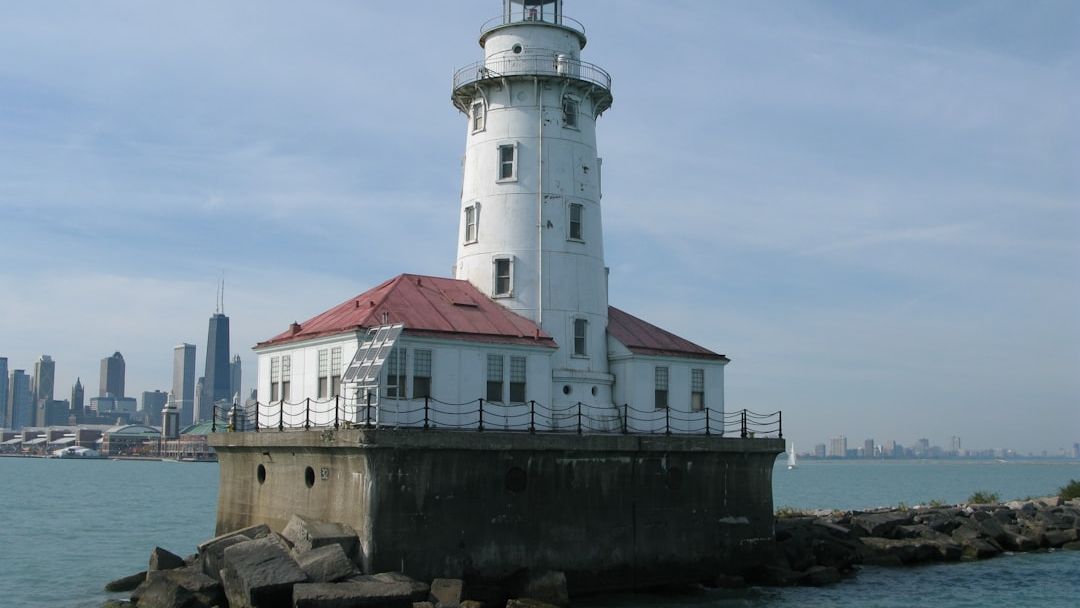

Cheers to the Chicago Lighthouse for 120 years of social service – Image for illustrative purposes only (Image credits: Unsplash)
The Chicago Lighthouse marked its 120th anniversary this past weekend with a sold-out gala at the Art Institute of Chicago. Founded on the city’s West Side in 1906, the organization has steadily expanded from a single-site effort into one of the country’s most comprehensive providers of support for people who are blind, visually impaired, disabled or veterans. Its reach now touches more than 50,000 individuals each year across dozens of programs that address education, job training, vision care and daily living needs.
From Early Workshops to National Contracts
The Lighthouse began with modest workshops that offered basic skills training and employment opportunities at a time when few options existed for people with vision loss. Over the decades those efforts grew into a full-service model that combines direct care with policy advocacy. One longstanding element of its work remains the exclusive federal contract to manufacture clocks for government use, a program that has provided stable employment while meeting precise public-sector requirements.
The organization also operates one of the oldest low-vision clinics in the United States. Staff there combine clinical care with practical training so clients can maintain independence longer. These programs illustrate how the Lighthouse has turned specialized expertise into scalable services that continue to serve new generations.
Employment and Housing Models That Set Precedents
Employment remains central to the Lighthouse mission. The group runs customer-service centers that train and hire veterans and people with disabilities, creating a social enterprise that generates revenue while expanding job access. This approach has drawn attention from other nonprofits seeking sustainable ways to combine mission and market discipline.
More recently the organization opened the Foglia Residences, the first income-qualified housing development in the country built specifically for people with visual impairments. Financing came partly through low-income housing tax credits, showing how public-private tools can address long-standing gaps in accessible living options. The project reflects the Lighthouse’s willingness to test new structures that respond to changing demographics and housing costs.
Reaching a Diverse Client Base
Clients come from every neighborhood, age group, ethnicity and income level in the Chicago area. The organization maintains an open-door policy that accepts anyone who needs assistance, regardless of background. This broad intake has helped the Lighthouse stay connected to the city’s shifting population patterns and emerging needs.
Programs now span independent-living skills, advocacy for policy changes and partnerships with schools and employers. The result is a network that supports people at multiple life stages rather than offering one-time interventions. Data from the organization show consistent annual service volumes that have held steady even as national conversations about disability inclusion have evolved.
Why the Milestone Matters for Chicago
At a time when cities face pressure to expand accessible infrastructure and employment pathways, the Lighthouse offers a working example of sustained, locally rooted delivery. Its combination of clinical services, job placement and housing development demonstrates how one agency can address overlapping barriers rather than treating them in isolation.
The anniversary gala highlighted both past accomplishments and ongoing priorities. As demand for vision-related services continues, the organization’s track record suggests that steady investment in integrated programs can produce measurable gains in independence and workforce participation. Chicago residents benefit when such institutions remain strong and adaptable.