Nevada’s child welfare system is carrying a weight that its infrastructure was never built to bear. Thousands of children cycle through a network of foster placements, shelter stays, and court hearings each year, while the agencies responsible for their safety struggle with funding shortfalls, depleted foster home numbers, and root causes that no single policy can easily fix. Understanding what’s driving this crisis requires looking past surface-level statistics. The pressures shaping Nevada’s system in 2026 are deeply intertwined with housing instability, substance use, underfunded social services, and a diminishing pool of licensed foster families. The numbers tell a sobering story.
The Scale of the Problem: How Many Children Are in the System


More than 4,000 children are in Nevada’s foster care system on any given day. That figure alone demands attention. A total of 6,783 children were served by the foster care system in fiscal year 2022, reflecting just how many young lives move through placements, investigations, and court proceedings within a single year.
In Clark County alone, nearly 3,000 youth move in and out of the child welfare system each year. Clark County is the most densely populated part of the state, and the sheer volume of cases concentrated in one region puts enormous pressure on local agencies and available placements. In 2022, Nevada had 41,921 total referrals for child abuse and neglect, of which 16,117 were screened in for response by CPS.
Neglect as the Dominant Driver of Removal

Almost nine out of ten children placed into Nevada’s foster care system are removed from their homes because of neglect, according to the U.S. Department of Health and Human Services Child Maltreatment Report. That figure is considerably higher than the national average. According to Clark County Department of Family Services Director Jill Marano, the top reasons children are removed from their biological families are neglect, drug and alcohol abuse, and housing instability.
There is often a misconception that children come into foster care because they’ve been physically or sexually abused, but that happens less frequently than many people think. Neglect, in the context of Nevada’s system, frequently reflects a parent’s inability to provide basic needs rather than deliberate cruelty. Nationally in 2024, neglect accounted for roughly 55 percent of placement cases, with parental drug abuse and physical abuse following behind.
The Housing Crisis Feeding the Child Welfare Crisis

Statewide, homelessness increased by 17 percent in 2024, according to U.S. Housing and Urban Development data. That rise in housing instability directly feeds child welfare referrals. The Southern Nevada Point-in-Time Count found that of the 7,906 people experiencing homelessness, roughly 20 percent – more than 1,500 – were families with children, nearly double the 794 families identified as homeless in 2023.
Statewide there were 30 children removed due to inadequate housing or homelessness with no other additional reason in 2024, according to DCFS data. Even for parents who successfully complete substance abuse treatment, housing becomes a final barrier to reunifying with their children, and that has led to delayed reunifications because of the lack of stable housing.
A Shrinking Pool of Foster Homes


Over the last five years, the total number of licensed foster homes in Nevada decreased by 42 percent, from 2,054 in 2018 to 1,184 in 2022, according to data from the Who Cares project, which tracks foster homes nationwide. That decline is one of the starkest in any state during that period. Clark County is facing a serious shortage of foster parents, with approximately 3,000 children currently in the foster care system and 90 of those children living in the county’s Child Haven Hope Corridor.
Clark County’s foster care system is seeing improvements in recruitment after accelerating the licensing process, but officials say they are still short an estimated 300 foster homes. The shortage is especially challenging for siblings, who risk being separated due to the lack of available homes willing to take in multiple children. The county has attempted to close the gap through fast-tracked licensing, but the numbers remain difficult.
Teens at the Greatest Risk of Falling Through the Cracks

Officials say older kids are harder to get into homes, and Family Services estimates that on any given day, 30 to 40 teens are living at the county-run Child Haven shelter awaiting a safe placement. Teenagers in the system tend to wait longer, move more often, and receive fewer placement offers than younger children. In 2024, 17 percent of children in foster care spent three or more years in the system, a reality that affects older youth disproportionately.
Entering foster care is traumatic for children, and keeping siblings together is beneficial as they weather the change and upheaval of being separated from their parents. Of children with siblings also in foster care, between 53 and 80 percent are separated from one or more siblings because there are not enough families willing and able to foster multiple children at the same time.
Educational Outcomes That Signal Long-Term Harm


Statistics show that completing high school isn’t easy for this population, and statewide, foster youth in the class of 2024 had a graduation rate of about 43 percent, according to the Nevada Department of Education. That number is well below state and national averages for the general student population. By their mid-20s, an estimated 69 to 85 percent of young adults with foster care experience obtain high school degrees, compared to the national average of 95 percent, according to a 2025 systematic review of the literature.
The same study found that only 8 to 12 percent of those with a foster care history earn an associate or bachelor’s degree by their mid to late 20s, far below the 49 percent seen in the general population. Young people in foster care face greater barriers to academic success than youth in general, with common challenges including education disruptions due to changing placements and schools, and grappling with the emotional trauma of removal from home and relationship instability.
Aging Out: The Cliff Edge at 18
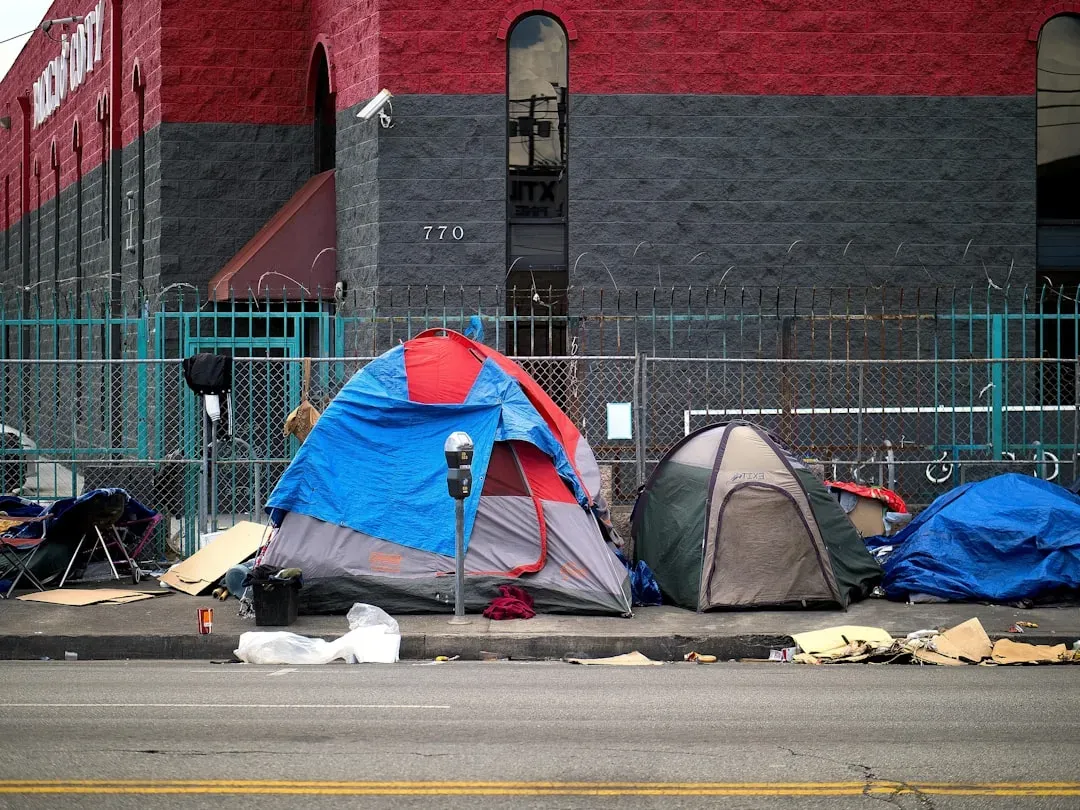
Among former foster youth who age out of care, approximately 22 to 30 percent become homeless during the transition to adulthood, according to a 2024 study. This is substantially higher than the estimated 4 percent lifetime prevalence of homelessness in the general population. The transition out of the system at 18 remains one of the most dangerous thresholds in a child’s welfare journey.
Among states reporting data, Nevada, Oklahoma, and South Dakota have the lowest participation rates in extended foster care programs at 6 percent. That figure is particularly troubling given the evidence supporting extended care. For each year a young person participates in extended foster care, their likelihood of positive outcomes increases, including an 8 percent higher probability of completing high school and a 19 percent lower probability of experiencing homelessness.
Youth Homelessness Infrastructure: Not Enough Beds, Not Enough Coverage


There were fewer than 500 beds for youth experiencing homelessness in Nevada in 2024, all of them located in Clark and Washoe counties. The state’s rural counties are essentially without any dedicated youth shelter infrastructure. None of these beds are located in Nevada’s 15 rural counties, which may have as many as 3,309 youth experiencing homelessness each year.
The report found Nevada “currently lacks the necessary infrastructure, leadership, and funding” to solve youth homelessness and needs a dedicated state entity if it wants to prevent and end youth homelessness. Findings show that two-thirds of youth served in Nevada had no record of achieving housing permanency during the same time period.
Funding Increases That Haven’t Kept Pace With Need

Lawmakers increased the foster care budget by more than 25 percent, raising it from $650 million to $774 million for 2024 to 2025. That increase reflects some recognition of the problem, but advocates and administrators suggest it still falls short of what the system requires. Officials cited a lack of housing infrastructure, child care assistance, earned income tax credits, and Medicaid assistance as contributors to the growing child welfare crisis in the state.
Nevada is one of only six states in the nation that receives no state funding to support its mandate under NRS 432B.500 to provide a guardian ad litem or CASA volunteer for each abused and neglected child. That gap in advocacy funding has real consequences for how children navigate court proceedings and long-term placement decisions. Funding a system without adequately resourcing the people inside it creates structural gaps no budget line can easily bridge.
Extended Foster Care and Signs of Reform Ahead

The Nevada Division of Child and Family Services submitted a bill draft request for consideration in the 2025 Legislative Session to enact the Extended Young Adult Support and Services Program into Nevada law, making it available to youth ages 18 to 21. This would mark a meaningful expansion of support for young adults at the most vulnerable transition point. As of September 2024, there were 337 children statewide enrolled in the existing voluntary extended care program.
Nevada has a Family First Prevention Services Act plan approved by the federal administration and implemented in October 2023, signaling movement toward more preventive rather than reactive child welfare services. Providing young adults the opportunity to access services until age 21 could improve graduation rates, decrease incarceration, and limit ongoing need for governmental assistance programs, while also assisting future generations in decreasing poverty and increasing racial equity among the foster care population.
Conclusion

Nevada’s foster care crisis is not a single problem with a single fix. It is the downstream result of affordable housing shortages, substance use, inadequate mental health services, and a foster family recruitment gap that has been widening for years. The children navigating this system carry the weight of those compounding failures.
What the data makes clear is that incremental improvements, such as a faster licensing process here or a modest budget increase there, will not be enough on their own. The system needs coordinated investment in prevention, extended care, housing, and workforce. The trajectory from foster placement to a stable adult life is achievable, but only when the infrastructure actually supports it.
Nevada is showing some signs of willingness to reform. Whether those efforts will be sustained, scaled, and funded adequately is still an open question. For the more than 4,000 children in care on any given day, that question is not abstract – it shapes the arc of their lives.