
Historic Downgrade Reflects Sobering Realities (Image Credits: Media-cldnry.s-nbcnews.com)
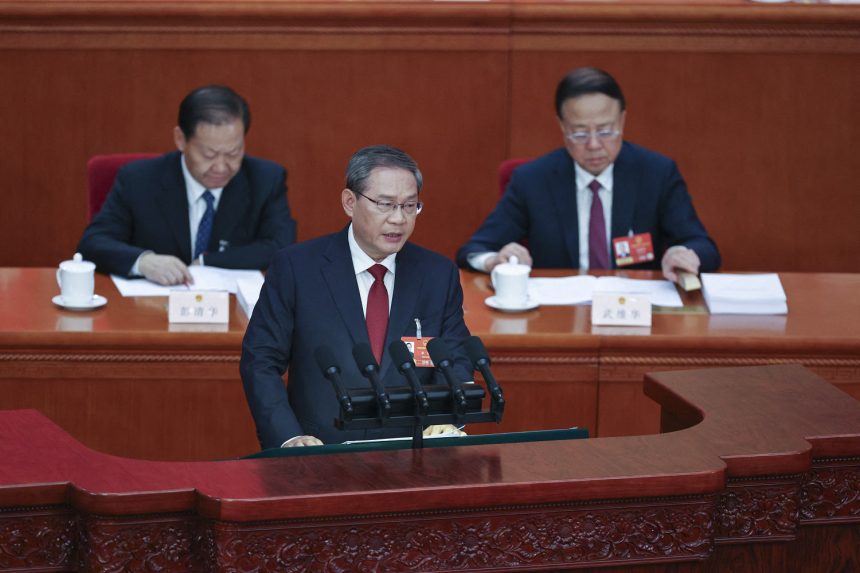
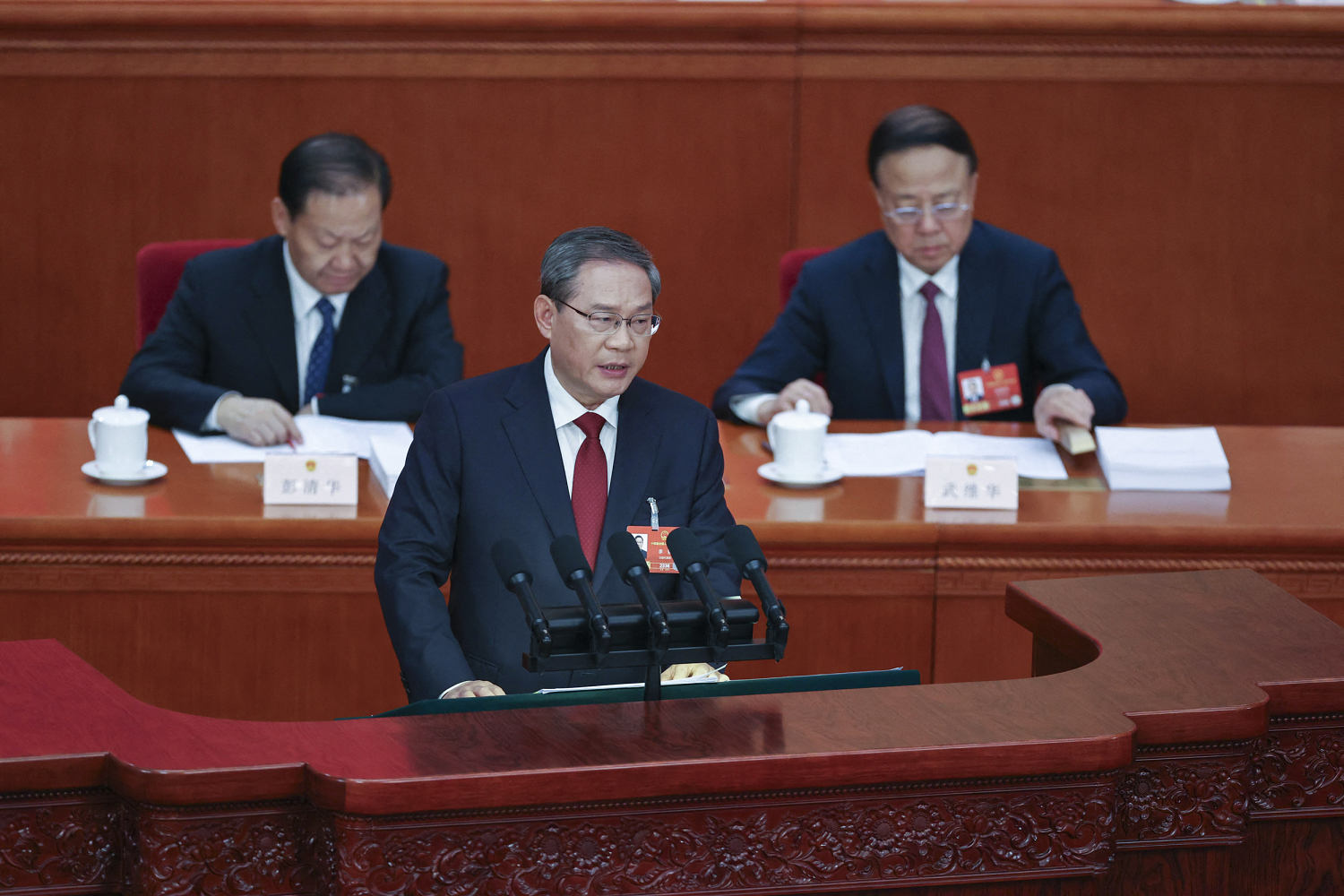
Beijing — Chinese leaders unveiled a GDP growth target of 4.5% to 5% for 2026 at the National People’s Congress on Thursday, the lowest such goal in more than three decades as the world’s second-largest economy navigates profound domestic and international pressures.[1][2]
Historic Downgrade Reflects Sobering Realities
The announcement marked the first formal reduction in the growth target since 2023, when Beijing adjusted it to around 5%.[1] Officials confirmed that the economy met its 5% target for 2025 overall, though expansion slowed to 4.5% in the final quarter amid weakening domestic demand.[1]
More than two-thirds of China’s provinces have similarly tempered their ambitions, either by lowering numerical goals or adopting more flexible phrasing like “around” a certain rate. Premier Li Qiang presented the target in the government’s work report during the opening session of the NPC, part of the annual “Two Sessions” gatherings. This flexible range offers policymakers greater leeway to address entrenched issues without the pressure of rigid benchmarks.
Property Sector Woes Cripple Domestic Momentum
A prolonged crisis in the real estate market continues to undermine recovery efforts. The sector, which once contributed nearly a third of economic activity, triggered widespread layoffs, pay cuts, and mounting local government debts.[1] Households have curtailed spending as confidence erodes, exacerbating weak consumption patterns.
Demographic headwinds compound the strain. China’s shrinking and ageing population, coupled with plummeting birth rates, poses long-term risks to labor supply and productivity. Policymakers now prioritize initiatives to foster a “childbirth-friendly society,” tackling barriers in employment, education, and healthcare.
Trade Tensions and Global Shocks Add Uncertainty
External factors intensify the challenges. Escalating trade disputes, particularly U.S. tariffs under President Donald Trump, threaten China’s export-driven model despite a record trade surplus of $1.19 trillion in 2025.[1] Beijing has redirected trade flows to other partners, but vulnerabilities persist.
Geopolitical disruptions further complicate the outlook. An energy crunch from the Iran war and the loss of Venezuelan oil supplies have driven up costs. These pressures highlight China’s growing reliance on exports at a time when global supply chains face reconfiguration.
Strategic Pivot Toward Sustainable Growth
Beijing outlined a multifaceted response in the draft 15th Five-Year Plan, spanning 2026 to 2030. The blueprint emphasizes “high-quality development” through investments in innovation, high-tech industries, and scientific research.[2] Over 100 major projects target expansions in science, transportation, and energy sectors.
Efforts to stimulate household consumption aim to reduce export dependence. Artificial intelligence rollout across key industries positions China as a technological leader, while a green energy push seeks to lower carbon emissions. Other priorities include creating over 12 million urban jobs, holding urban unemployment at 5.5%, and increasing defense spending by 7%—the slowest pace since 2021.[2]
- Boost domestic consumption with production-level rigor
- Advance AI and high-tech manufacturing
- Reduce carbon intensity by 17% by 2030
- Expand industrial capacity via mega-projects
- Support families to counter population decline
Key Takeaways:
- The 4.5%-5% target provides flexibility amid a property slump and trade wars.
- Focus shifts to tech-driven, consumption-led growth over raw expansion.
- Analysts note realism: “Beijing’s new growth target reflects that it is being realistic,” said Zhou Zheng of China Macro Group.[1]
China’s tempered ambitions underscore a maturing economy prioritizing stability and resilience over breakneck speed. As the 15th Five-Year Plan takes shape, success will hinge on balancing immediate relief with structural reforms. What implications do you see for global markets? Share your thoughts in the comments.