


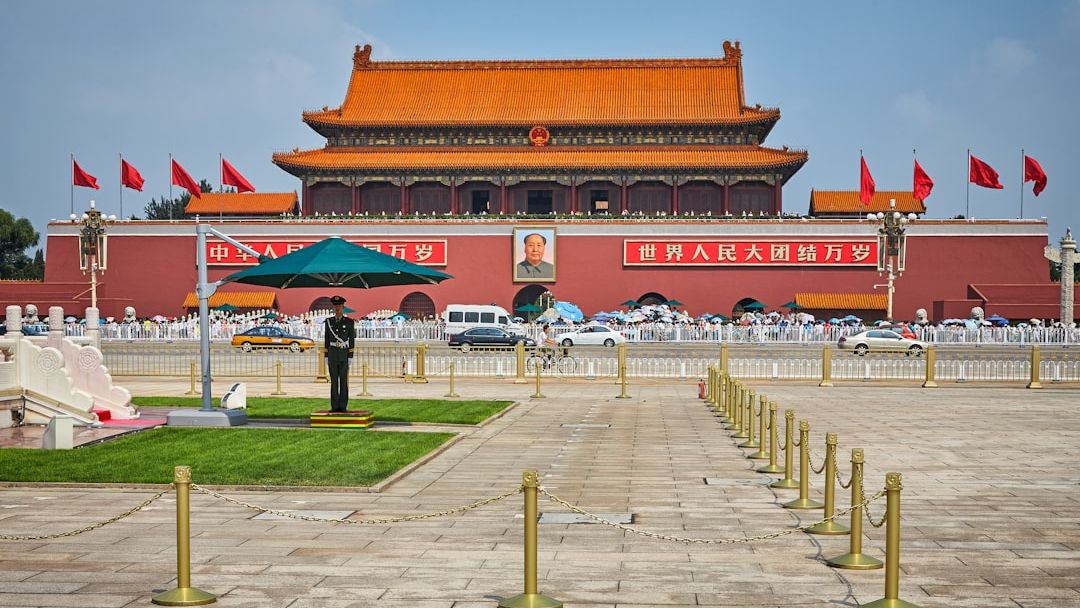

Beijing’s Quest for Uniformity May Be Its Achilles’ Heel – Image for illustrative purposes only (Image credits: Unsplash)
Beijing has long pursued policies aimed at creating greater cultural and social uniformity across its vast population. These efforts, often described as forced assimilation, target ethnic minorities and regional differences in the name of national cohesion. The approach is now drawing attention for the economic and social strains it appears to be creating inside the country.
Early Signs of Strain in Key Regions
Regions with large minority populations have seen accelerated integration measures in recent years. These steps include language requirements, education reforms, and restrictions on traditional practices. Observers note that such changes have disrupted local economies that once relied on distinct cultural industries and cross-border trade.
Business activity in affected areas has slowed as communities adjust to new rules. Tourism tied to unique heritage sites has declined in some cases, while skilled workers from minority backgrounds report barriers to advancement. The result is a narrower base for growth in provinces that previously contributed through specialized sectors.
Broader Effects on National Innovation
Uniformity policies extend beyond specific regions and touch the wider workforce. When diverse perspectives are sidelined, companies and research institutions lose access to varied problem-solving approaches. This dynamic can slow progress in technology and manufacturing, areas where China has sought global leadership.
Partner offer

Young professionals from minority groups face added hurdles in education and employment pipelines. Over time, this reduces the pool of talent available for high-value industries. The cumulative effect appears in lower productivity gains and reduced adaptability to shifting global markets.
Long-Term Risks to Stability and Growth
Continued emphasis on uniformity risks deepening internal divisions rather than resolving them. Social cohesion built through pressure can prove fragile when economic pressures mount. Families and communities that feel marginalized may withdraw from formal economic participation, limiting overall consumption and investment.
International partners have also begun to factor these policies into trade and investment decisions. Reduced cooperation in sensitive sectors further constrains China’s access to capital and technology. The combination of domestic friction and external caution creates a feedback loop that amplifies costs over time.
Key points to watch:
- Declining output in culturally distinct industries
- Shrinking talent pipelines in innovation hubs
- Rising caution among foreign investors
- Potential for lower household spending in affected regions
China’s leadership continues to frame these measures as essential for long-term strength. Yet the mounting evidence of economic drag suggests the strategy carries trade-offs that are becoming harder to ignore. How Beijing balances uniformity goals with the need for dynamic growth will shape the country’s trajectory in the years ahead.
Partner offer
Planning a trip to Vegas?
Compare hotel rates and show tickets on VEGAS.com.


