London’s skyline glitters with wealth today, but rewind a few centuries and the story looks radically different. Hard to imagine, right? Several cities across the globe once dwarfed London in prosperity, commerce, and sheer economic power. These were the powerhouses of their eras, the places where fortunes were made and empires were built.
What happened to them? Some faded into obscurity. Others transformed entirely. A handful reinvented themselves in unexpected ways. The rise and fall of economic centers tells us something profound about how quickly fortune can shift. Let’s explore these once-mighty cities and see where time has taken them.
Constantinople: The Golden Gate to Three Continents
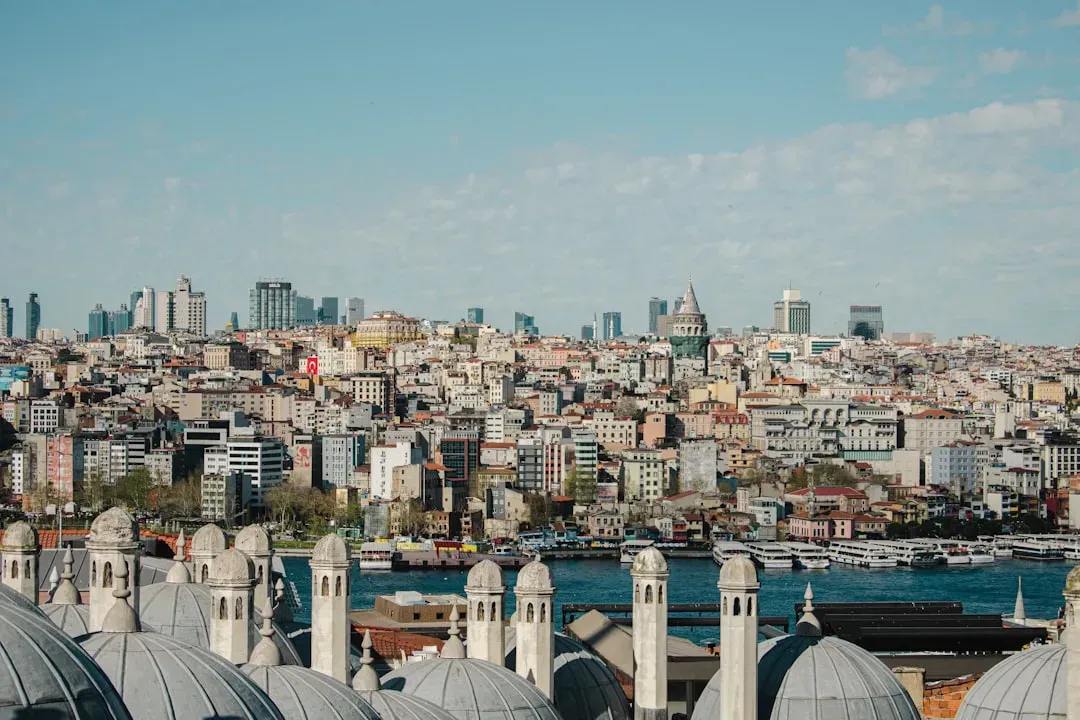
For over a thousand years, Constantinople stood as perhaps the wealthiest city on Earth. Positioned at the crossroads of Europe and Asia, it controlled trade routes that funneled silk, spices, and precious goods between East and West. The Byzantine capital accumulated wealth that made medieval London look like a provincial outpost. Its markets buzzed with merchants speaking dozens of languages, its churches were adorned with gold that caught sunlight like trapped fire.
Then came 1453. The Ottoman conquest didn’t destroy the city’s importance overnight, but it marked the beginning of a long, complicated transformation. Today, as Istanbul, the city remains Turkey’s economic heart and cultural soul. Roughly 15 million people call it home, making it one of Europe’s largest metropolitan areas. The wealth looks different now, spread across tech startups, tourism, and manufacturing rather than concentrated in imperial coffers. The Hagia Sophia still stands, a reminder of when this place made London seem like an afterthought.
Baghdad: The House of Wisdom
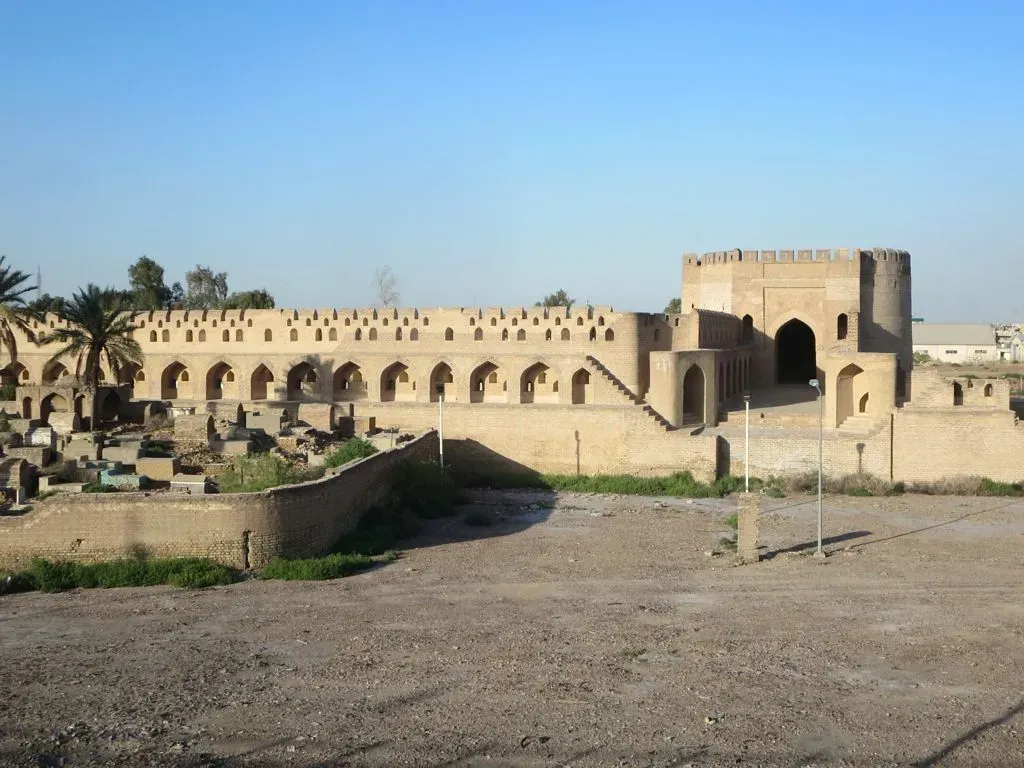
Picture the year 1000 AD. Baghdad was the intellectual and economic capital of the known world, a city where scholars translated Greek philosophy while merchants traded goods from China to Spain. The Abbasid Caliphate’s crown jewel boasted perhaps half a million residents when London barely had 20,000. Its wealth came from controlling trade routes and fostering an atmosphere of learning that attracted the brightest minds of the era.
The Mongol invasion of 1258 devastated Baghdad in ways it never fully recovered from. Libraries burned. Canals that fed the city’s agriculture were destroyed. Centuries of instability followed, punctuated by brief periods of revival. Modern Baghdad, home to over seven million people, struggles with the aftermath of recent wars and political turmoil. The oil wealth that should have transformed Iraq often got lost in corruption and conflict. Walking through Baghdad today, you’d find it hard to imagine this was once the world’s richest, most advanced city.
Venice: The Merchant Republic That Ruled the Waves
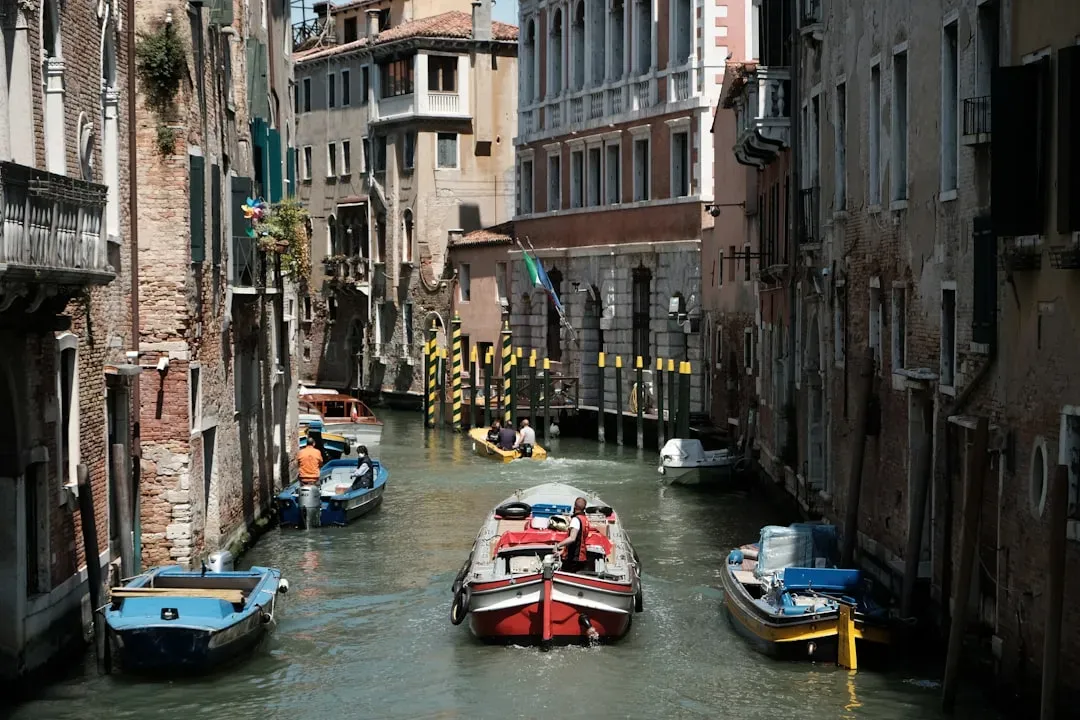
Venice didn’t just rival London’s wealth during the Renaissance. It completely overshadowed it. The Venetian Republic controlled Mediterranean trade like no other power, its merchant galleys returning laden with spices, silks, and gold. The city’s bankers financed kings. Its shipyards could build a warship in a single day. For centuries, Venice was where deals were made and fortunes were won or lost.
The discovery of new trade routes around Africa and to the Americas shifted economic power westward. Venice couldn’t compete with Atlantic powers like England and Spain. Today, the city survives primarily on tourism, with over 20 million visitors annually flooding its narrow streets and canals. It’s become a living museum of its own former glory, beautiful but no longer economically dominant. The wealth that once came from commerce now comes from people paying to photograph its decay.
Antwerp: The Gateway Where Europe Traded
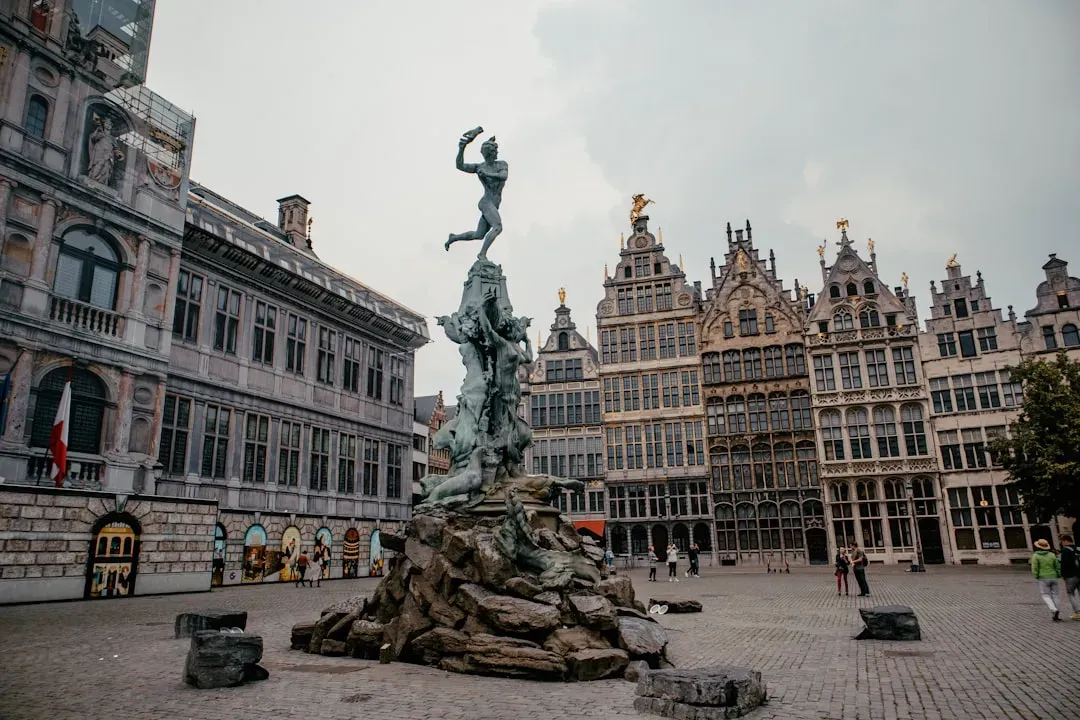
During the 16th century, Antwerp was arguably Europe’s richest city. More goods passed through its port than through London and Venice combined. The world’s first stock exchange opened here in 1531. Diamonds, spices, textiles – Antwerp handled it all. The city’s Golden Age saw it become a cultural powerhouse too, home to painters like Rubens and Bruegel.
Political and religious upheaval, particularly the Dutch Revolt against Spanish rule, gradually eroded Antwerp’s dominance. The city never completely lost its importance, though. Today it remains Europe’s second-largest port and the world’s diamond trading capital. Walking through Antwerp’s historic center, you’ll see Renaissance architecture alongside modern commerce. It’s adapted rather than collapsed, which is more than many former economic titans can claim.
Amsterdam: When the Dutch Owned Global Trade
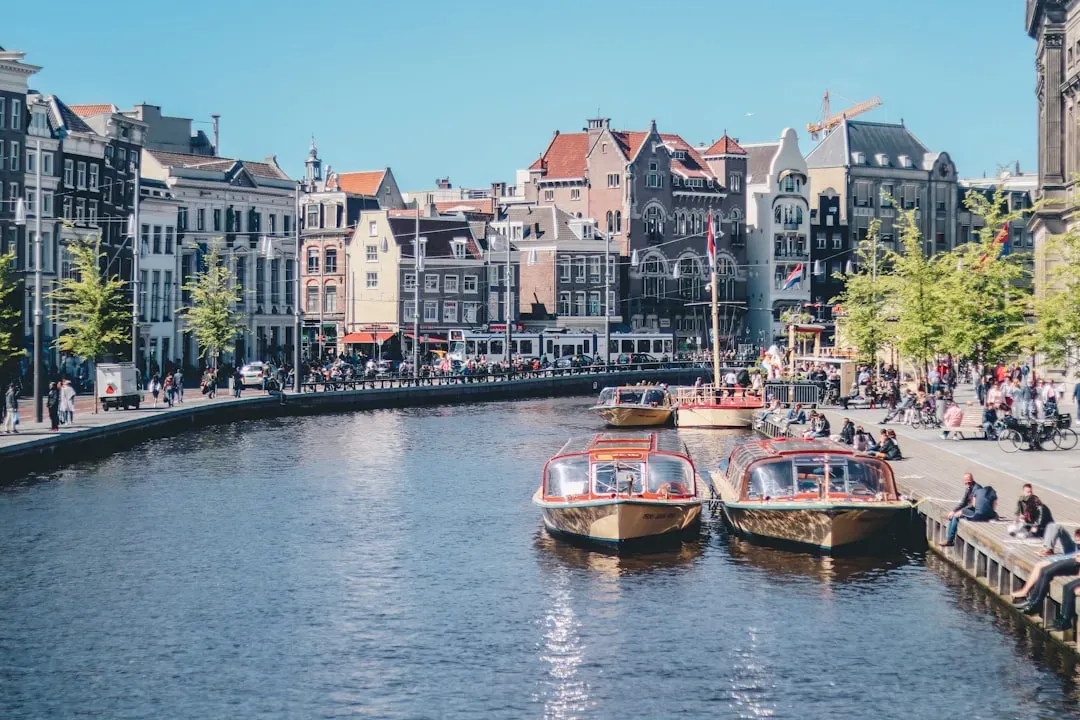
The Dutch Golden Age made Amsterdam ridiculously wealthy. During the 17th century, the Dutch East India Company was worth more than most modern tech giants, adjusted for inflation. Amsterdam’s merchants controlled trade from Indonesia to Manhattan. The city pioneered modern banking and insurance. Its canal houses, built by prosperous merchants, still line the waterways today.
Britain eventually surpassed the Netherlands in naval and economic power, particularly after several Anglo-Dutch wars. Amsterdam didn’t crash though. It evolved into a major financial center that remains influential today. The city ranks among Europe’s wealthiest, with a highly educated population and a GDP per capita that rivals London’s. It’s one of the rare cities that managed to stay wealthy even after losing its spot at the very top.
Cairo: Where the Nile Fed an Empire
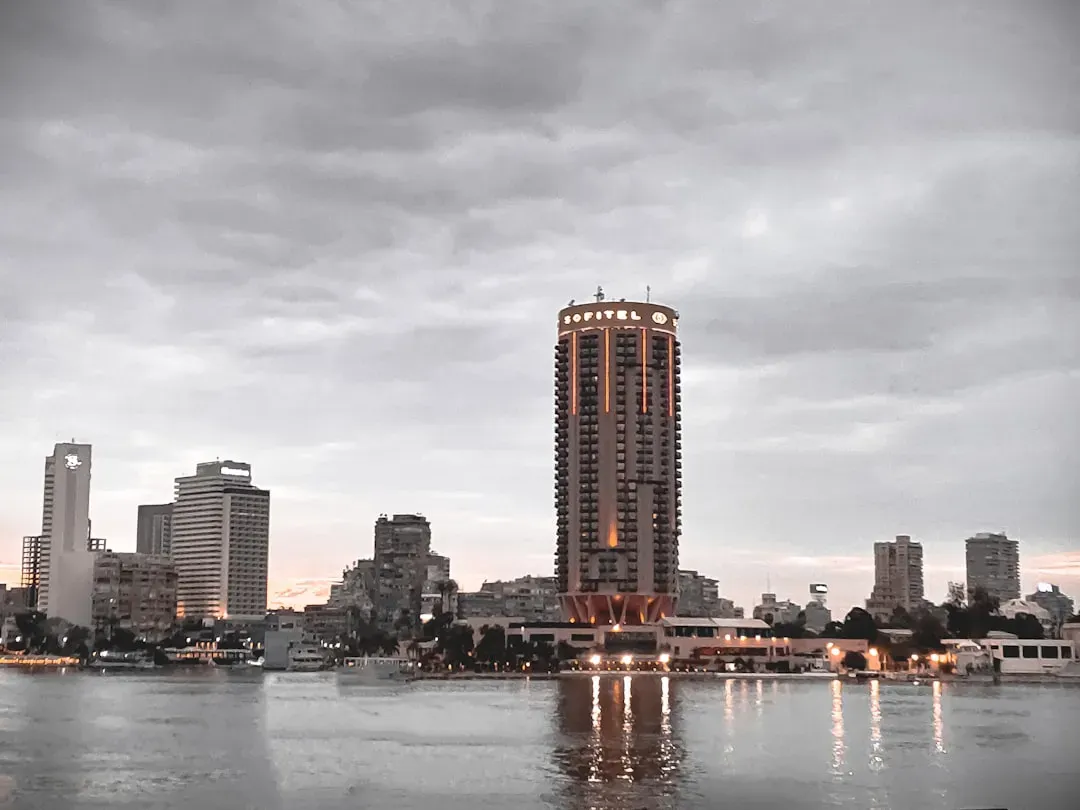
Medieval Cairo was staggeringly rich, the largest city in the world outside China at certain points. As capital of various Islamic empires, it controlled trade between the Mediterranean and the Red Sea. The city’s markets sold goods from sub-Saharan Africa, India, and Europe. Its scholars studied in Al-Azhar, one of the world’s oldest universities. The wealth built monuments that still draw millions of tourists.
Ottoman rule, European colonization, and then modern political challenges gradually diminished Cairo’s relative economic position. Today it’s a sprawling metropolis of over 20 million people, Africa’s largest urban area. Economic inequality is stark. Some neighborhoods gleam with new development while others struggle with poverty. The city that once made medieval London look insignificant now faces challenges London largely solved generations ago. Traffic chokes streets built for a different era. Still, Cairo remains Egypt’s beating economic heart, however troubled.
Córdoba: The Jewel of Moorish Spain
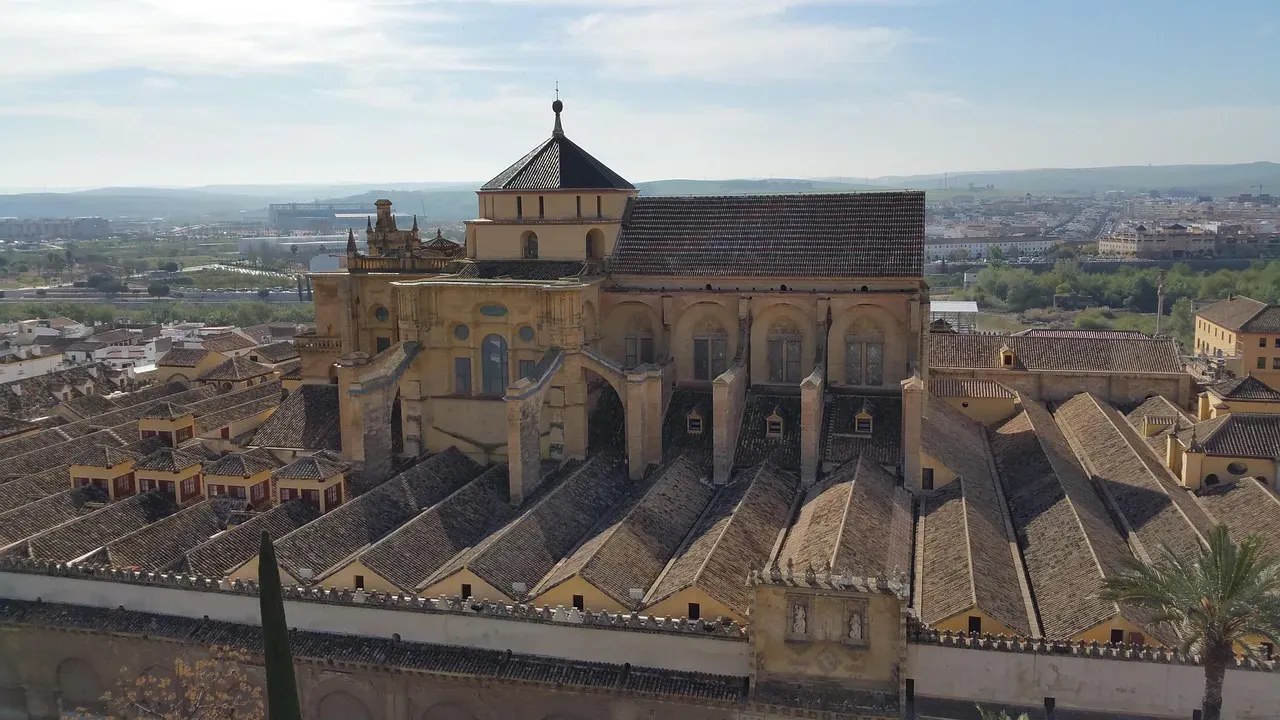
In the 10th century, Córdoba was quite possibly the world’s largest, most advanced city. Under the Umayyad Caliphate, it boasted hundreds of mosques, libraries that held hundreds of thousands of books, and a level of scholarship that wouldn’t be matched in Christian Europe for centuries. Its Great Mosque remains one of the most stunning architectural achievements anywhere. The city’s economy thrived on agriculture, craftsmanship, and learning.
The Christian reconquest of Spain gradually shifted power northward to cities like Madrid and Barcelona. Córdoba faded from global prominence, becoming a provincial capital. Today about 325,000 people live there. Tourism, agriculture, and some manufacturing drive the economy. It’s pleasant but modest. The contrast between its medieval peak and its current status might be the starkest on this list.
The Lesson: Nothing Lasts But Change Itself
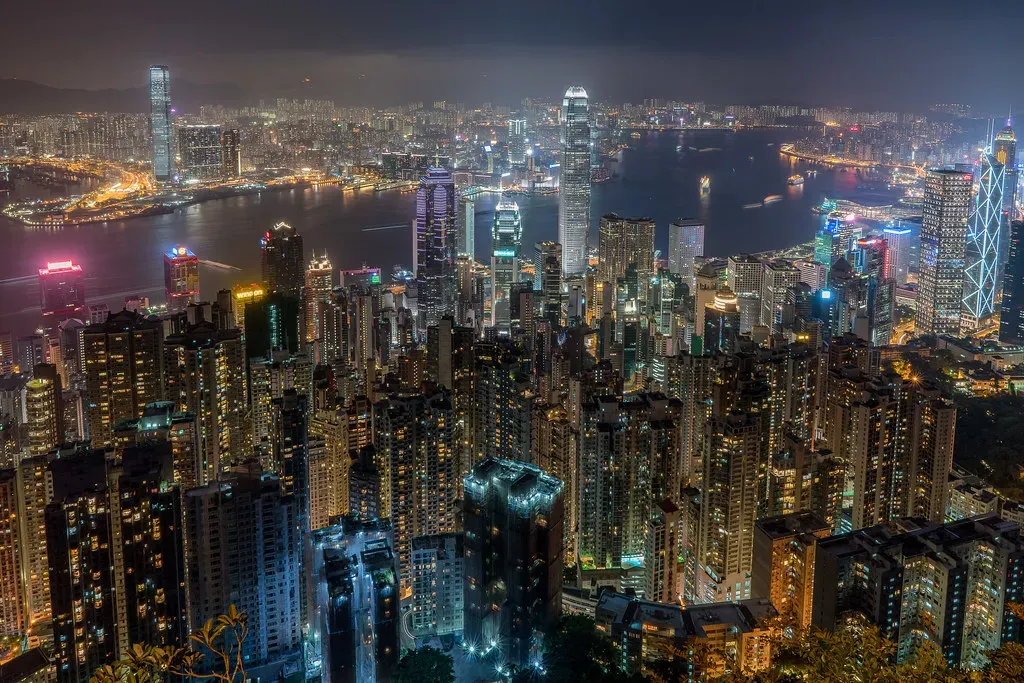
Every city on this list thought their prosperity was permanent. They were wrong. The factors that made them rich – location, trade routes, natural resources, political power – all proved temporary. London is wealthy now, but for how long? American cities dominate global rankings today, but will they in 2200?
The cities that survived best were the ones that diversified their economies and adapted to changing circumstances. Amsterdam didn’t stay stuck in the spice trade. Istanbul reinvented itself multiple times. Hangzhou is now a tech center rather than just an imperial capital. The cities that tried to maintain their old advantages without change – Bruges waiting for ships that never came, Samarkand hoping the Silk Road would revive – faded into irrelevance.
It makes you wonder which of today’s rich cities are heading for the same fate. What’s your prediction? Tell us in the comments which modern city you think might be on a future version of this list.