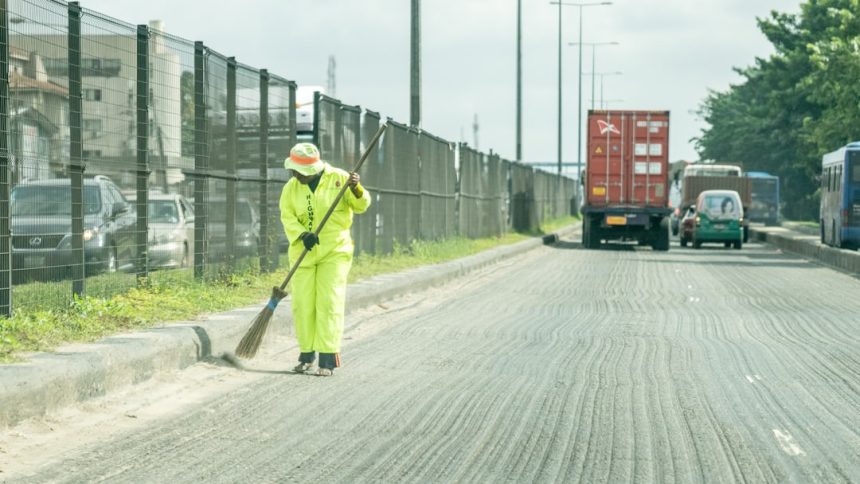
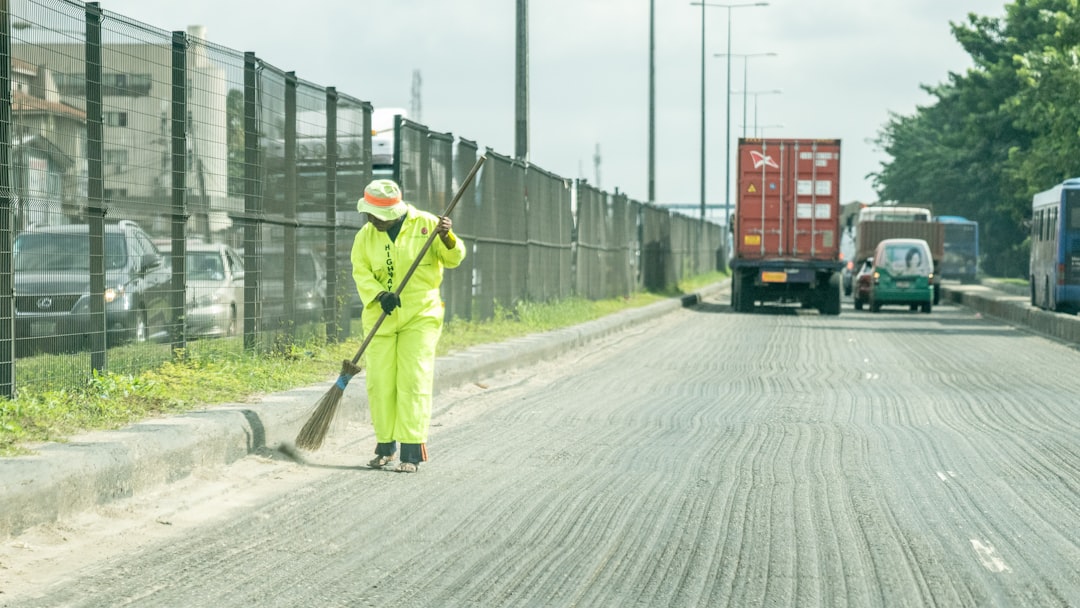

The Escalating Litter Challenge on a Key Artery (Image Credits: Unsplash)
Las Vegas Valley – Trash accumulation along the 215 Beltway and its surrounding ramps has emerged as a significant concern for drivers and residents alike. Clark County officials recognized the issue as both an eyesore and a potential safety hazard that affects vehicles and road maintenance. Commission Chairman Michael Naft, who commutes on the freeway daily, led efforts to address the problem through more frequent cleaning operations.[1]
The Escalating Litter Challenge on a Key Artery
High traffic volumes exacerbate the trash problem on the 215 Beltway, a critical route for most Las Vegas Valley residents. Debris scatters across lanes and shoulders, posing risks to motorists and complicating upkeep efforts. Population growth in the region intensified the issue, as development boomed without matching increases in maintenance.[1]
Residents reported mounting complaints about the visible litter, prompting county leaders to prioritize action. The Beltway’s role in daily commutes made the situation particularly urgent. Officials noted that unchecked debris not only detracts from the area’s appeal but also creates hazardous conditions.[1]
Evolution of Cleaning Efforts Over Two Decades
Clark County initiated a twice-monthly street sweeping program for the 215 Beltway in 2005, aligning with rising regional demands. Traffic disruptions from the COVID-19 pandemic in 2020 led to a reduction to once per month, as volumes dropped sharply. Even after roads returned to normal usage, the schedule remained at that lower frequency.[1]
This mismatch between service levels and growth became evident over time. The area’s population expanded from 1.7 million to 2.4 million residents during that period. Extensive construction along the corridor added to the debris load without corresponding upkeep adjustments.
Partner offer

Leadership Drives Change from the Front Lines
Michael Naft, Clark County Commission chairman, witnessed the trash firsthand during his daily drives and fielded constituent feedback. He described the matter as a core local government duty tied to safety and quality of life. Naft emphasized that debris in roadways damages vehicles and undermines community standards.[1]
“Cleaning our roads calls to not just the aesthetic and the way they look and make community members feel, but it’s also a safety issue when you have crap in the road and it’s causing problems for vehicles and maintenance issues for vehicles,” Naft stated. He highlighted the disparity: “The 215 Beltway… has only gone from in 2005 being swept twice a month to post-recession once a month. While in that same period of time, our population’s gone from 1.7 to 2.4 million people.”[1]
New Sweepers and Contractor Scrutiny Ahead
The county committed to acquiring three new street sweepers dedicated to the 215, replacing aging units prone to breakdowns. These vehicles will join a fleet of 28 used across the Las Vegas Valley and enter service within 45 days, funded separately to avoid budget strain. Enhanced efficiency from the upgrades promises more reliable operations.[1]
Additionally, Naft requested an audit of the landscaping contractor responsible for larger debris like furniture and hard-to-reach areas such as weeds and fencing. The review hearing is set for October 28 and focuses solely on contract performance. “I think this is such a fundamental core responsibility of local government… Taxpayers trust us to spend their money wisely,” Naft affirmed.[1]
County actions include:
- Purchasing three advanced street sweepers for the 215 Beltway.
- Initiating a contractor audit for comprehensive debris removal.
- Aiming to restore or exceed pre-pandemic cleaning frequency.
- Addressing both routine litter and oversized waste.
- Responding to resident complaints with visible improvements.
Key Takeaways
- Trash on the 215 poses safety risks amid booming population.
- New sweepers arrive soon to boost cleaning cadence.
- Audit ensures contractor accountability for full coverage.
These steps signal Clark County’s resolve to restore the 215 Beltway as a cleaner, safer thoroughfare for its growing user base. Enhanced maintenance will improve driving conditions and bolster community pride. What steps can residents take to help keep the roads litter-free? Share your thoughts in the comments.
Partner offer
Planning a trip to Vegas?
Compare hotel rates and show tickets on VEGAS.com.