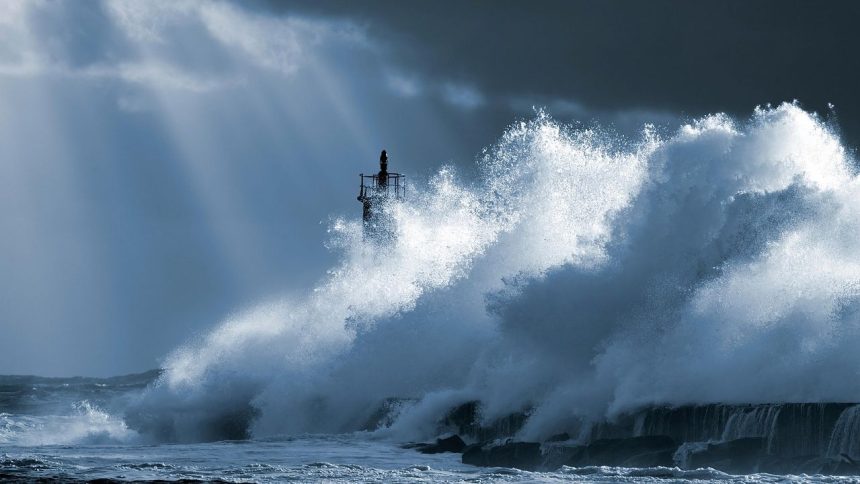


The next era of Atlantic hurricanes could be far more destructive – Image for illustrative purposes only (Image credits: Pixabay)
Recent research highlights how rising global temperatures could intensify the natural ups and downs of Atlantic hurricane seasons. Instead of steady patterns, future years may alternate between unusually quiet periods and seasons filled with multiple powerful storms. Coastal regions already face growing risks from sea level rise and warmer waters, and this added variability would complicate long-term planning for emergency managers and residents alike.
Why Greater Variability Matters Now
Traditional forecasts have long treated hurricane seasons as somewhat predictable based on historical averages. Yet the latest findings suggest climate change could push those averages into wider extremes. A quiet year might lull communities into reduced vigilance, only for the next season to deliver a rapid succession of major hurricanes that strain resources and infrastructure.
This pattern would test the limits of current warning systems and insurance models. Communities that prepare for average conditions could find themselves underprepared during hyperactive stretches, while overpreparation in quiet years might strain budgets unnecessarily. The net result is a more uncertain environment for decision makers at every level.
How Climate Factors Drive the Shifts
Warming ocean surfaces supply extra energy that fuels storm development when conditions align. At the same time, changes in atmospheric circulation can suppress activity in some years and enhance it in others. The combination creates the potential for sharper contrasts between seasons rather than a simple overall increase in storm numbers.
Researchers note that these swings are not entirely new, but the amplitude appears likely to grow. A season with few named storms could be followed by one that produces several Category 4 or 5 hurricanes in quick succession. Such clustering would concentrate damage in short time frames and challenge recovery efforts that normally unfold over multiple years.
Preparing for an Era of Greater Uncertainty
Emergency planners are already examining ways to build flexibility into their response frameworks. This includes maintaining higher baseline readiness even after quiet seasons and investing in infrastructure that can withstand repeated hits. Insurance providers may also adjust pricing and coverage to account for the possibility of clustered losses.
Public communication will play a central role. Clear messaging that explains the potential for rapid changes can help residents stay alert without causing fatigue. Long-term adaptation measures, such as updated building codes and wetland restoration, gain added importance when the timing of major events becomes harder to anticipate.
What matters now: Coastal areas should review preparedness plans with an eye toward handling both extended lulls and sudden bursts of activity. Flexible strategies that do not assume steady patterns will prove more resilient as the climate continues to evolve.
The emerging picture points to a future in which Atlantic hurricane seasons demand constant attention rather than reliance on past rhythms. While the exact timing of any given season remains difficult to predict, the broader trend toward greater variability is becoming clearer. Communities that adapt their thinking and resources accordingly will be better positioned to reduce harm when the next active period arrives.