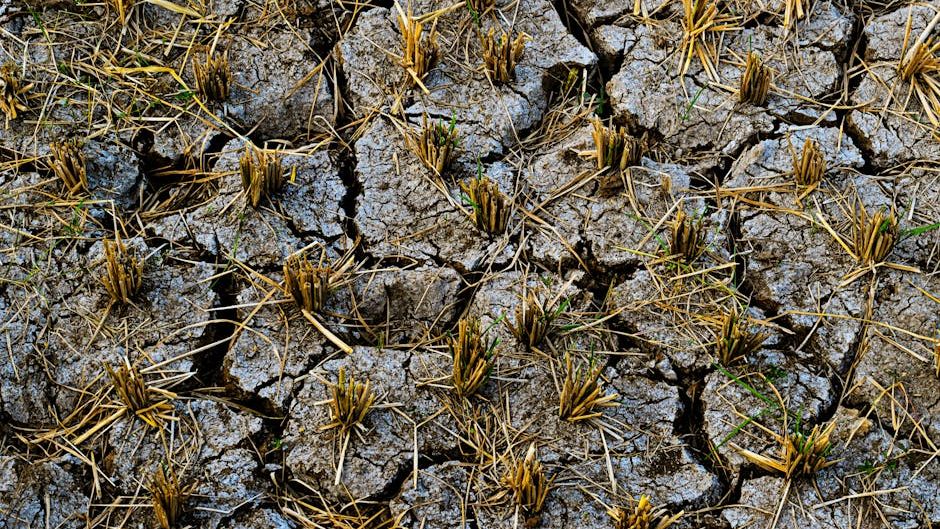
Seasonal patterns that farmers trusted for generations have suddenly turned unpredictable – Image for illustrative purposes only (Image credits: Pexels)
Around the world, the calendar cues that once guided planting, harvesting, and pest management are losing their reliability. What farmers long described as dependable seasonal markers now shift without warning, leaving crops exposed to conditions that traditional methods were never designed to handle. The result is a quiet but steady unraveling of practices refined over many lifetimes.
Weather Patterns That No Longer Follow the Old Rules
Intense rains arrive at times when fields should be dry, while stretches of extreme heat settle in during periods once considered mild. These departures from expected rhythms create immediate problems for soil preparation and crop timing. Farmers who once planned with confidence now watch forecasts that contradict the patterns their families recorded for decades.
The changes do not appear in isolation. One erratic event often sets off others, turning a single season into a chain of surprises. What once felt like isolated bad luck now registers as a consistent departure from the norm.
Crops Under Pressure From Multiple Fronts
Extreme heat stresses plants during critical growth stages, reducing yields even when water is available. Heavy downpours that follow can wash away topsoil or drown roots before recovery is possible. At the same time, pests that once appeared on predictable schedules now thrive in the altered conditions and spread more aggressively.
Partner offer
These overlapping stresses compound quickly. A field that survives one challenge may still fail when the next arrives sooner than expected. The combined effect leaves many growers with smaller harvests despite increased effort and expense.
Why Traditional Knowledge Alone Falls Short
Generations of observation produced detailed local calendars that matched weather, soil, and pest cycles with remarkable accuracy. Those calendars worked because the underlying climate remained relatively stable. When the baseline itself moves, the accumulated wisdom loses its predictive power.
Uncertainty remains about how quickly new patterns will stabilize or whether entirely different cues will emerge. Some regions may see partial recovery of older rhythms, while others face permanent shifts. The pace of change continues to outstrip the ability of long-standing practices to adapt without additional tools and information.
Looking Ahead at Food Production
The scramble in seasonal signals affects more than individual farms. It ripples through supply chains that depend on steady regional output. Growers who once supplied markets on fixed timetables now face greater variability in both quantity and timing.
Continued monitoring and flexible planning appear essential as the underlying drivers persist. The core challenge is not simply surviving one difficult season but learning to operate under conditions that no longer match the assumptions built into traditional agriculture.
What matters now: Reliable seasonal cues have given way to more variable conditions driven by climate change. Farmers must combine inherited knowledge with updated observations to protect yields against intense rains, extreme heat, and shifting pest pressures.
Partner offer
Planning a trip to Vegas?
Compare hotel rates and show tickets on VEGAS.com.