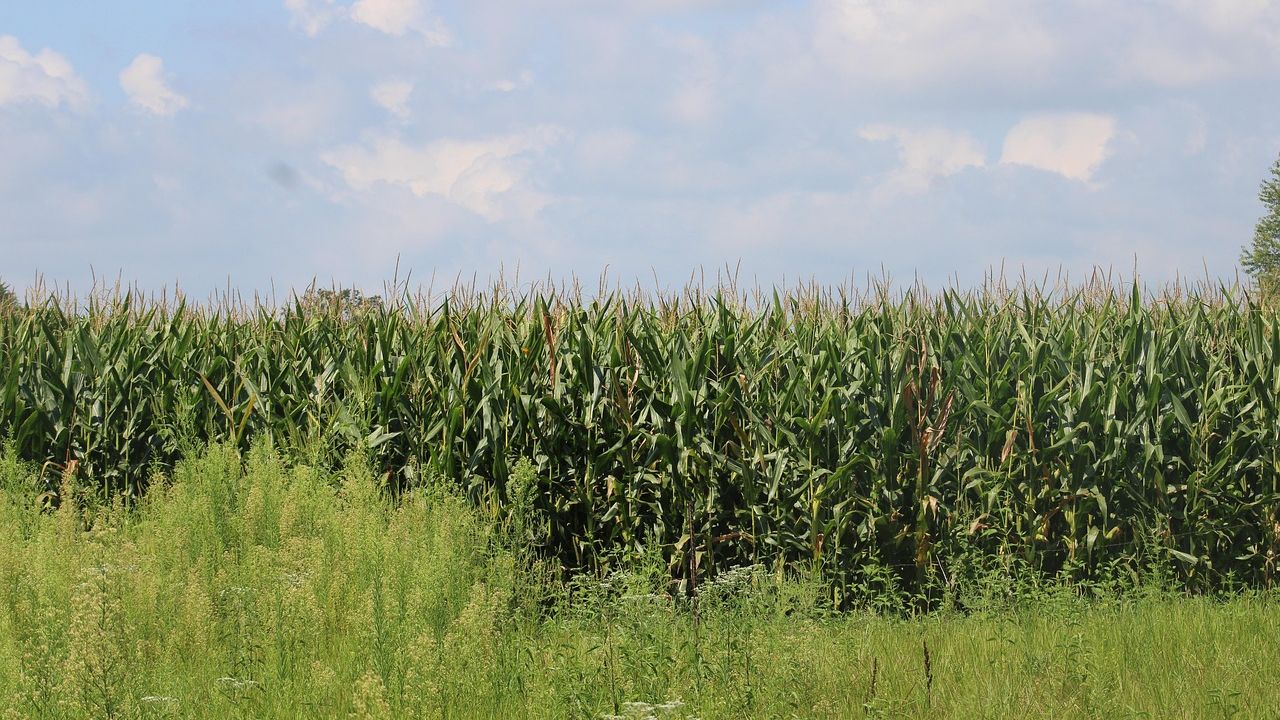

The Indiana community caught between coal and the data center boom – Image for illustrative purposes only (Image credits: Pixabay)
Jasper County, Indiana – Barb Deardorff finds quiet comfort in the wide picture windows of her living room. She looks out across cornfields where sandhill cranes call and feed, then watches the sun drop below the horizon after another demanding day. Her work as a teachers’ union organizer leaves little time for rest, yet these evening views remain her steady anchor.
The Pull of Rural Calm
Deardorff has built her routine around the open landscape that surrounds her home. The fields stretch far in every direction, offering a sense of space that city life rarely provides. Sandhill cranes move through the rows with steady grace, their calls carrying across the still air at dusk.
These moments stand in contrast to the pace of her professional responsibilities. She returns home each evening ready to step away from meetings and negotiations. The simple act of watching daylight fade restores a measure of balance she values deeply.
Partner offer

Shifting Economic Pressures
Communities across the region have long depended on coal for jobs and identity. That foundation now faces competition from new industries seeking large tracts of land and reliable power. Data centers, in particular, have begun to appear on the horizon as companies look for sites that can support massive computing needs.
Residents weigh the familiar rhythms of agriculture and energy production against the promise of fresh investment. Some see opportunity in the transition, while others worry about changes to the quiet character that defines daily life. The debate centers on how much growth the area can absorb without losing what drew families there in the first place.
What Matters Now
The choice between established industries and emerging technology will shape Jasper County for years to come. Local voices like Deardorff’s highlight the personal stakes behind broader economic shifts.
Decisions made in the coming months will determine whether the county preserves its open views or accommodates larger facilities. Officials and residents continue to examine proposals that could alter both the skyline and the job market.
Deardorff continues to value the sunset from her window. She hopes future development will leave room for the cranes and the fields that have long defined her evenings. The outcome remains uncertain, yet the conversation has only begun.
Partner offer
Planning a trip to Vegas?
Compare hotel rates and show tickets on VEGAS.com.