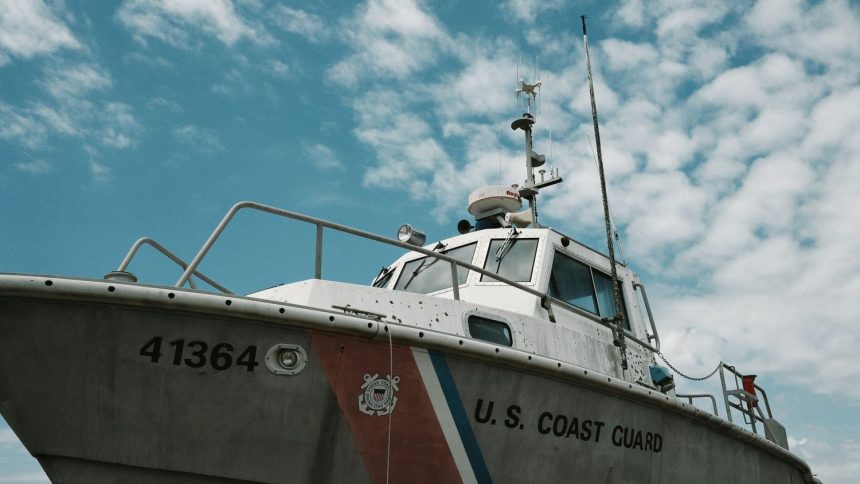
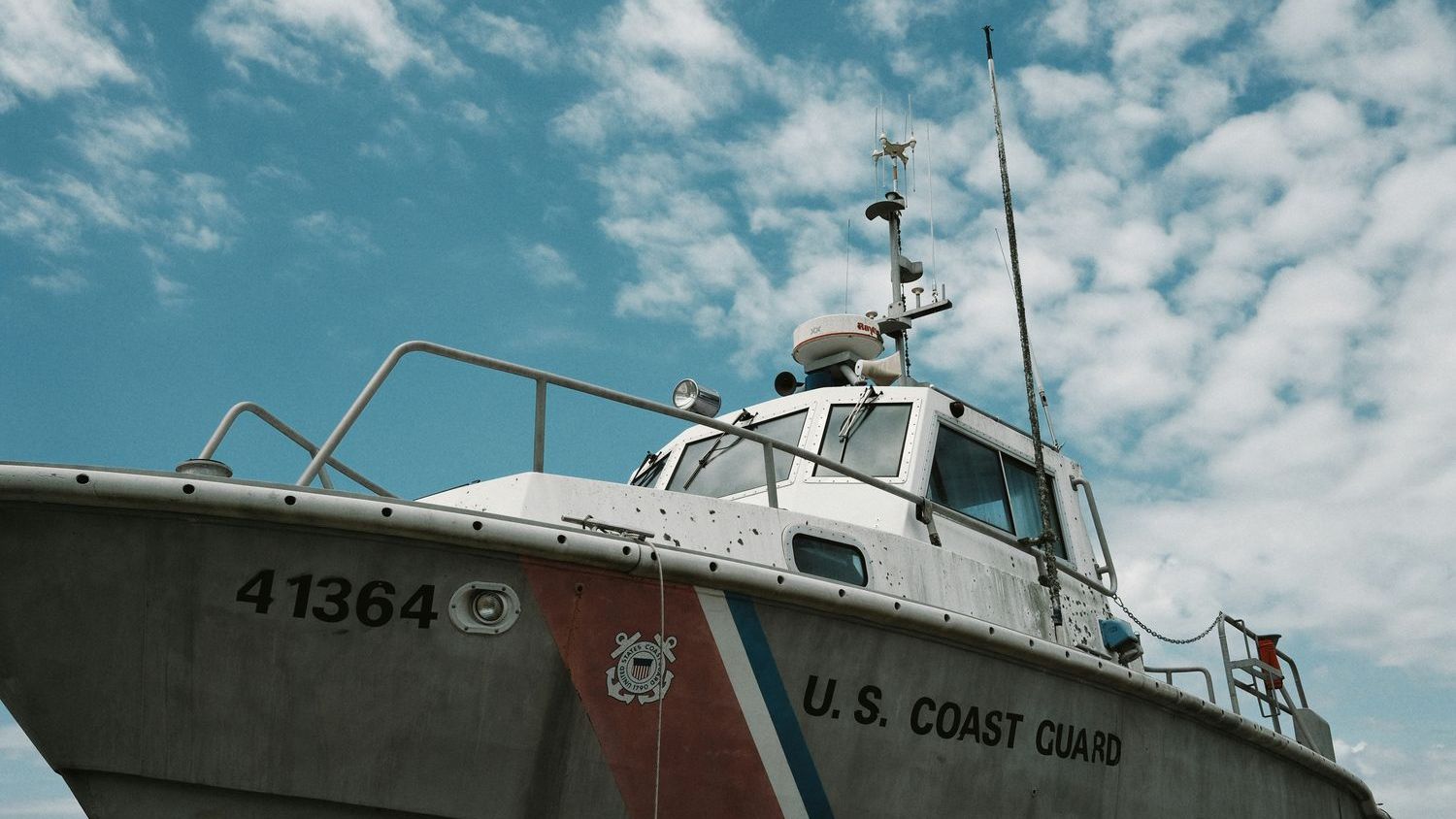

Coast Guard operating in “crisis” as shutdown halts pay, strains missions overseas – Image for illustrative purposes only (Image credits: Unsplash)
Coast Guard personnel stationed across the globe continue high-priority missions despite mounting personal hardships from a prolonged Department of Homeland Security funding lapse. Families have endured utility shutoffs at bases and homes, with some service members selling vehicles to cover essentials after weeks without reliable income.[1][2] Now entering its 75th day, the shutdown threatens to withhold paychecks starting May 15, following the exhaustion of emergency funds on May 1.[1]
Hardships Hit Home for Personnel and Families
The partial government shutdown, which began February 14, initially spared active-duty members through funding shifts but left nearly 10,000 civilian employees without full paychecks from mid-February until early April. President Donald Trump signed an executive action then to cover those periods temporarily, yet the relief proved short-lived as reserves dwindle. Commandant Adm. Kevin Lunday described the situation bluntly: “The reality today is the Coast Guard is operating in a crisis.”[1][2]
Utility disruptions have compounded the strain. The service accrued $5.2 million in overdue bills across more than 6,000 accounts, affecting 43% of its 6,000 family housing units. Recent incidents included water outages at stations in Channel Islands, California, and Port Huron, Michigan; locked natural gas lines at Air Station Barbers Point, Hawaii; and power failures at a recruiting office in St. Louis, Missouri. Even a rear admiral’s residence in New Orleans lost electricity, prompting a hotel stay. Personnel often pleaded with providers for temporary restorations, but leaders warned of eroding trust with local businesses.[1][3]
Personal stories underscored the toll. A civilian machinist in Ketchikan, Alaska, sold his truck to pay his mortgage after extended pay delays. Thousands of members relocating this summer received no advance funds, forcing reliance on credit cards, savings depletion, or unaffordable loans. Some postponed medical treatments over co-pay fears, while families turned to food pantries and canceled plans. Master Chief Petty Officer Phil Waldron captured the mood: personnel labored under “uncertainty, fear and anger,” with civilians feeling betrayed.[3]
Missions Strain Under Resource Shortages
Core operations persisted, including search and rescue, border security, and responses to national threats, but non-essential activities suffered. The Coast Guard canceled 30 national security exercises and paused maintenance on cutters, aircraft, and boats due to unpaid workers. A backlog swelled to 19,000 merchant mariner credentials and 5,000 medical certifications, hindering enforcement against unsafe operators. Fisheries patrols and routine maritime checks halted, alongside vendor payments for recruit meals at the Cape May training center.[1][4]
Partner offer

Overseas deployments faced particular risks. About 300 members operated in the Middle East amid the Iran conflict and boarded “ghost fleet” tankers in the Indo-Pacific. Lunday noted their commitment persisted despite distractions: “We have people in harm’s way… conducting military operations along with other military services.” Domestically, preparations lagged for events like the World Cup and America 250 celebrations. Unpaid bills topped $300 million overall, with earlier tallies at $200 million, signaling a “hollowing out” of readiness.[1]
- Utility shutoffs at operational bases and housing.
- Delayed credential processing for 19,000 mariners.
- Halted training and patrols, risking long-term capability.
- Overseas personnel in active conflict zones without funding certainty.
Funding Timeline and Path Forward
The lapse stemmed from a congressional impasse over DHS appropriations, leaving the Coast Guard – the sole armed service outside the Defense Department – vulnerable. Early flexibilities covered active-duty pay through April, but Homeland Security Secretary Markwayne Mullin warned of depletion by early May. Lunday projected full recovery would take until July 3 even if funding resumed immediately, given a “two and a half days to recover every day” ratio.[3][4]
Official guidance affirmed back pay once resolved, with resources like Coast Guard Mutual Assistance and Military OneSource available. Yet urgency mounted as May 1 approached, when pay funding would cease, leading to the May 15 shortfall. Lawmakers debated bills, but no consensus emerged by late April.[5]
Enduring Strain on Recruitment and Morale
Beyond immediate crises, leaders flagged recruitment and retention risks. Prospective recruits questioned stability when pay faltered repeatedly – 85 of the past 176 days saw disruptions. Families, many dual-income on bases, sacrificed amid skimping and debt. Lunday voiced frustration: “Our workforce… are furious,” viewing it as a breach of the implicit contract for those who swore to defend the Constitution.[1]
The service pressed for $15.6 billion in fiscal 2027 funding to expand by 15,000 members, raise pay, and upgrade infrastructure. Vice Commandant Adm. Thomas Allan emphasized focus erosion: crews on counter-narcotics or rescues fretted over rent and groceries.[4]
As the shutdown stretched into spring, Coast Guard members upheld their oath amid personal peril. Their resilience sustained vital missions protecting $5.4 trillion in annual waterway commerce, yet prolonged uncertainty tested the limits of that dedication, leaving families to wonder how much longer they could endure without resolution.
Partner offer
Planning a trip to Vegas?
Compare hotel rates and show tickets on VEGAS.com.