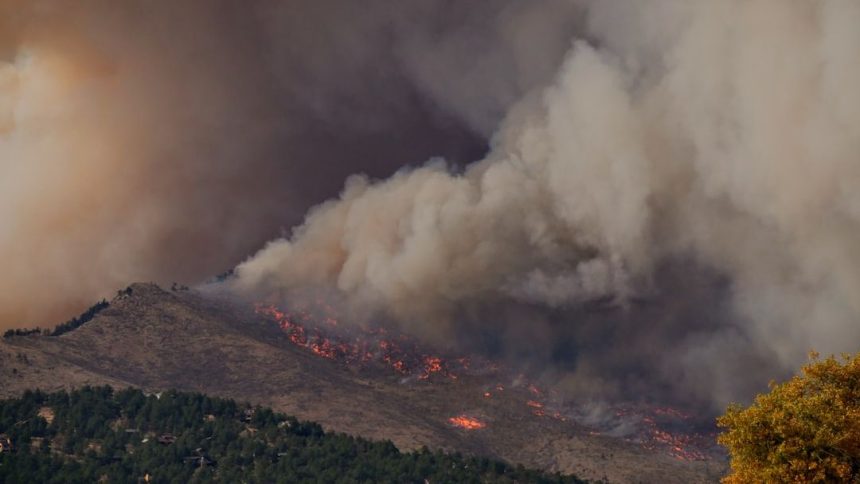
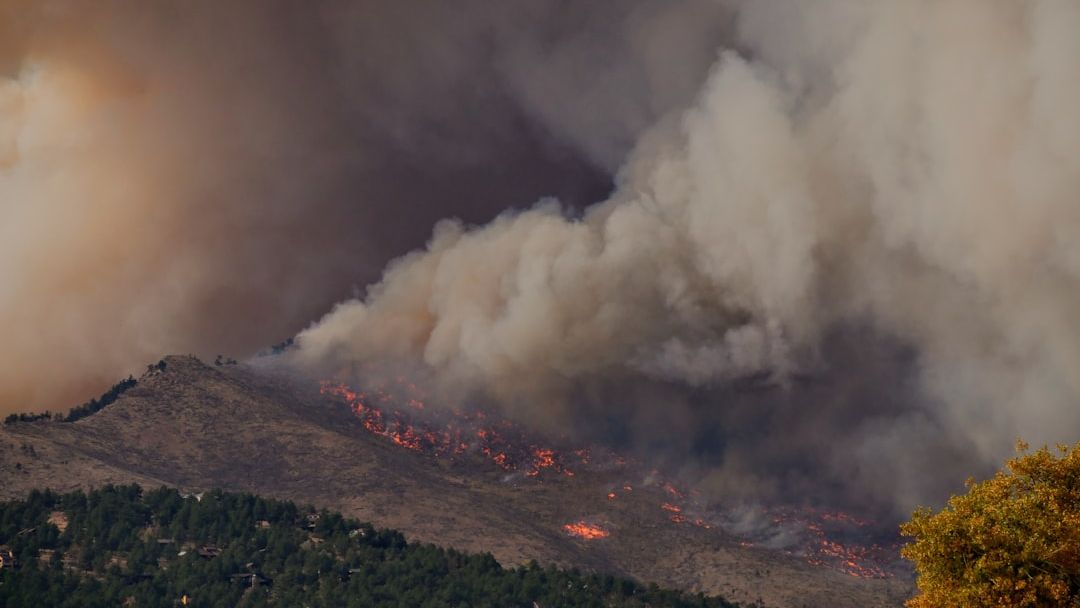

Colorado warns of severe fire risk in southwestern states. It may be difficult to share resources – Image for illustrative purposes only (Image credits: Unsplash)
Broomfield, Colorado – State leaders gathered last week to unveil a sobering outlook for the summer wildfire season. A record-low snowpack and persistent drought have primed vast stretches of parched terrain for ignition, from forested slopes to eastern grasslands. Governor Jared Polis emphasized Colorado’s marked progress in readiness, yet cautioned that elevated risks across the Southwest could hinder resource sharing.[1][2]
Drought Conditions Amplify Threats Statewide
Officials pointed to a dismal winter as the primary culprit behind the heightened dangers. The U.S. Drought Monitor showed all of Colorado engulfed in drought as of late April, with the northwest corner mired in the most extreme category. Recent rains offered scant relief against months of warm, dry weather.[2]
Front Range areas and northwestern counties face the sharpest risks through June and July. Plains regions east of Interstate 25 remain vulnerable on gusty days until vegetation greens up. Every part of the state carries potential for trouble, experts noted during the April 30 briefing at Rocky Mountain Metropolitan Airport.[1]
Michael Morgan, director of the Colorado Division of Fire Prevention and Control, described the scenario bluntly. “We are facing a very challenging fire year where our resources will be tested across not only Colorado but across the West,” he stated.[3]
Preparedness Leaps Forward Despite Bigger Blazes
Colorado has invested heavily in its firefighting arsenal over the past eight years. The state now deploys two multimission aircraft, single-engine tankers, leased large air tankers, Type 1 and Type 2 helicopters, engines, hand crews, and advanced intelligence from satellites and aerial sources.[1]
Polis, attending his final such briefing as term-limited governor, reflected on the dual realities of progress and peril. Three of the state’s largest fires erupted during his tenure, including the 2021 Marshall Fire that razed over 1,000 homes near Boulder. “Colorado is ‘light years’ ahead in fire preparedness than it was a decade ago,” he said, “but it has also faced its largest and most destructive wildfires in that time.”[1]
Stan Hilkey, executive director of the Colorado Department of Public Safety, reported early action this year: more than 200,000 gallons of water and retardant dropped from the air over 50 mission days in the first 117 days of 2026. The state unveiled its 2026 Wildfire Preparedness Plan at the event, prioritizing rapid initial attacks to quench ignitions swiftly.[1]
Partner offer

Average years see 6,000 to 7,000 wildfires in Colorado, with 90 percent human-caused and most contained early. Yet all 10 largest blazes in state history ignited since 2000, four of the top five since 2020. Nationwide, 24,222 fires had scorched nearly 2 million acres by late April, well above 10-year norms.[2]
Regional Risks Complicate Mutual Aid
The forecast darkens beyond Colorado’s borders. Elevated fire potential menaces Utah, New Mexico, Arizona, and other Western states, stretching shared federal assets thin. Regional firefighters and equipment will see heavy demand, officials predicted.[1]
Polis indicated willingness to assist neighbors case by case, but stressed protecting home-state response times. “The advantage of being able to control the resources is that we want to be able to have rapid response here,” he explained. No fires will burn for ecological gain this season, diverging from past practices amid the strain.[3]
Federal Changes Bring New Uncertainties
Tensions simmer with Washington. The Departments of Interior and Agriculture launched a U.S. Wildland Fire Service, merging efforts from prior agencies. Staffing matches last year, with firefighters shielded from cuts, said Paul Hohn, Rocky Mountain geographic area fire chief.[1]
Polis voiced frustration over denied major disaster declarations for recent fires like the Lee and Elk blazes, which charred over 137,000 acres last summer. Such rulings slow recovery, he argued, urging restoration of longstanding federal-state ties. Senators Bennet and Hickenlooper introduced the Disaster Declaration Transparency Act of 2026 to counter presidential vetoes.[2]
Key Wildfire Contributors:
- Record-low snowpack and insufficient rain
- 100% statewide drought, exceptional in northwest
- Warming from climate change drying vegetation faster
- Population growth into wildland-urban interfaces
- 90% human ignitions
Residents Urged to Share the Load
State leaders called on individuals to ease burdens on crews through personal actions. Matt McCombs of the Colorado State Forest Service noted over half the population lives in wildland-urban interfaces. Home hardening, fuel reduction, and avoiding sparks top the list.[1]
Morgan reinforced the message: “Every ignition we can stop, that’s one less stressed-out, overworked firefighter.” Polis proclaimed May Wildfire Awareness Month. Officials advised leaving fireworks to professionals and thinking like firefighters daily.[2]
As tinderbox conditions persist, Colorado’s enhanced capabilities offer reassurance, though the broader West’s shared vulnerabilities loom large. Success this summer may hinge on collective resolve, from statehouses to backyards, in adapting to fire as a constant companion.
Partner offer
Planning a trip to Vegas?
Compare hotel rates and show tickets on VEGAS.com.