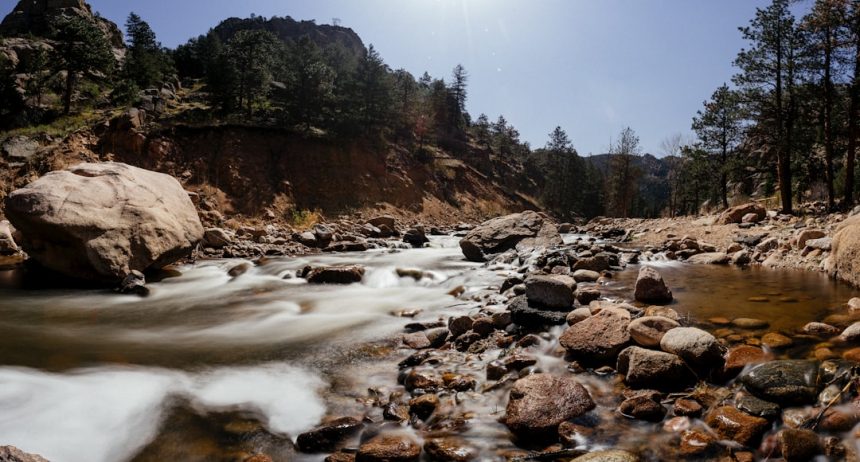

Negotiations Collapse Amid Deadline Pressure (Image Credits: Unsplash)
Colorado River Basin – Reservoir levels in Lakes Powell and Mead continued their alarming decline in early 2026, prompting failed negotiations among seven states and renewed demands for equitable water reductions overseen by the Interior Department.[1][2]
Negotiations Collapse Amid Deadline Pressure
The seven Colorado River Basin states missed a critical federal deadline on February 14, 2026, for agreeing on post-2026 water management guidelines. Previous talks had already faltered in November 2025. Existing agreements, including the 2007 Interim Guidelines and 2019 Drought Contingency Plans, expire at the end of 2026.[1]
Officials cited persistent disagreements over shortage sharing as the core impasse. The 1922 Colorado River Compact over-allocated the river, which now delivers far less due to prolonged drought and climate shifts. Recent snowpack offered little relief, with forecasts at 38 percent of normal and Lake Powell inflows projected at just 2.4 million acre-feet this year.[1]
Lower Basin Steps Up with Major Concessions
Arizona, California, and Nevada proposed steep voluntary cuts to their allocations. Arizona offered a 27 percent reduction, California 10 percent, and Nevada nearly 17 percent. These moves aimed to secure 1.5 million acre-feet or more in annual conservation, building on prior efforts that conserved over 3.7 million acre-feet by late 2025.[1][3]
Governors Katie Hobbs, Gavin Newsom, and Joe Lombardo emphasized unity in a joint statement: “To secure a seven-state agreement for post-2026 management of the river, Arizona has offered to reduce its Colorado River allocation by 27 percent, California by 10 percent, and Nevada by nearly 17 percent. Our stance remains firm and fair: All seven basin states must share in the responsibility of conservation.”[1]
Lower Basin consumption dropped from 7.4 million acre-feet in 2015 to about 6 million in 2024, demonstrating commitment despite heavy agricultural demands in California.
Upper Basin Holds Firm Against Mandates
Colorado, Utah, Wyoming, and New Mexico resisted fixed cutbacks. Leaders argued their supplies fluctuate naturally with hydrology, unlike the steadier releases to the Lower Basin from federal reservoirs. Upper Basin use rose from 3.9 million acre-feet in 2021 to 4.4 million in 2024, yet they favored voluntary measures over binding shortages.[3]
Proposals included adjusted releases from upstream sites like Flaming Gorge and conservation tied to Lake Powell elevations. Still, Upper states viewed additional pain as unnecessary, insisting the Lower Basin shoulder more given its larger historical draws.
| State | Basin | Basic Allocation (million acre-feet/year) |
|---|---|---|
| Arizona | Lower | 2.8 |
| California | Lower | 4.4 |
| Nevada | Lower | 0.3 |
| Colorado | Upper | 3.9 |
| New Mexico | Upper | 0.8 |
| Utah | Upper | 1.7 |
| Wyoming | Upper | 1.0 |
Interior Department Takes the Reins
With no consensus, the Interior Department advanced its Post-2026 process. A draft Environmental Impact Statement emerged in January 2026, with public comments closing March 2. Final guidelines target October 1, 2026, to avert crisis in Water Year 2027.[2][3]
Secretary Doug Burgum noted productive talks but stressed urgency: “We believe that a fair compromise with shared responsibility remains within reach.” Federal plans risk lawsuits, yet experts warn inaction threatens hydropower, ecosystems, and urban supplies like Las Vegas’s.[3]
Key Takeaways
- Lower Basin’s offers exceed 1.5 million acre-feet annually, but Upper Basin seeks voluntary-only cuts.
- Nevada’s small 300,000 acre-foot share amplifies its vulnerability to disproportionate impacts.
- Federal intervention looms, prioritizing system stability over state disputes.
The path ahead demands collective action to augment supplies and enforce balanced reductions, safeguarding millions reliant on this vital resource. What do you think about the need for shared cutbacks? Tell us in the comments.