


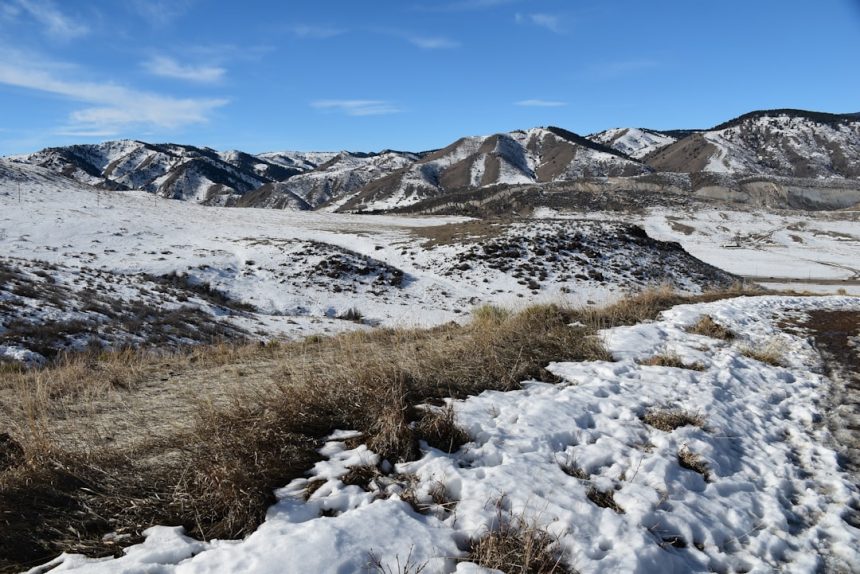
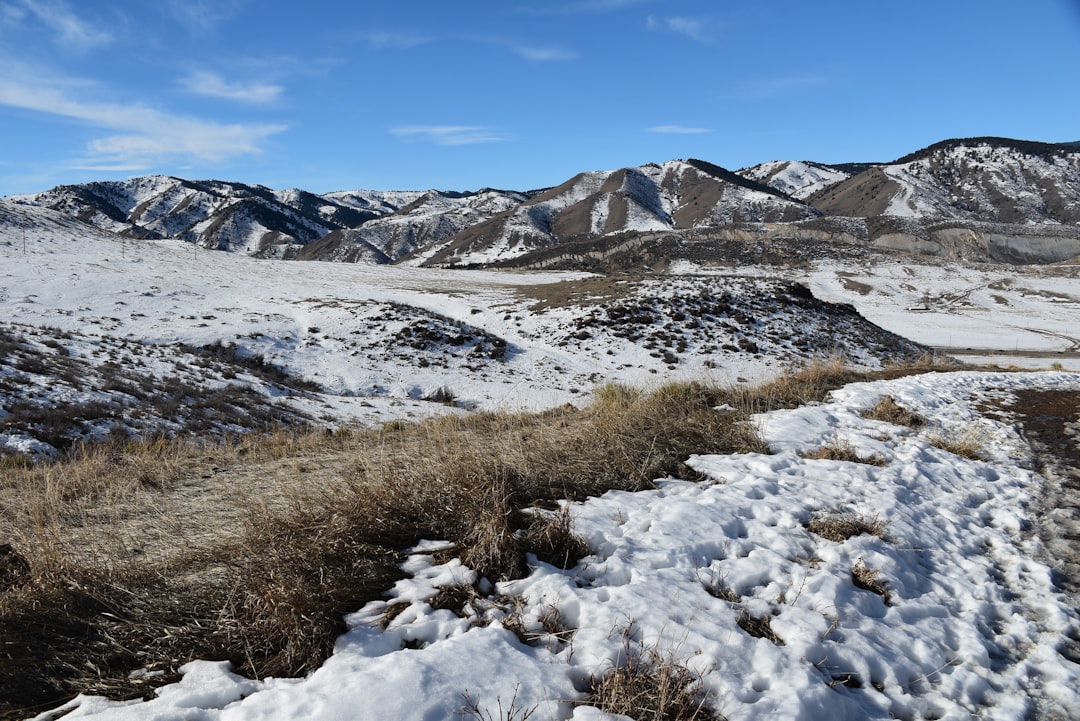

A Record Shattered in the High Country (Image Credits: Unsplash)
Colorado – Hydrologist Maureen Gutsch pushed through mud and thinning slush in the Rocky Mountains to document a stark reality. The state’s snowpack had just registered its lowest levels since records began in 1941.[1][2] This shortfall, peaking a month ahead of schedule with only half the typical moisture, underscores deepening challenges for water supplies feeding millions in the drought-weary US West.
A Record Shattered in the High Country
Hydrologists with the US Department of Agriculture’s Natural Resources Conservation Service confirmed the grim measurements near Kremmling and Walden. Statewide snow water equivalent across 115 mountain stations stood at 38% of the 1991-2020 average as of late March.[2] Regions like the Park Range, West Elk Mountains, and San Juans fared worst, barely reaching half their usual accumulation.
Warmest winter on record accelerated the melt, with March heat waves shattering temperature marks. Denver hit 87 degrees Fahrenheit, fueling rapid snow loss even before peak season. Gutsch noted the emotional toll: “We love being out here… This year, it’s kind of hard to enjoy it because it’s slightly depressing with the conditions that we’ve seen.”[1]
Ranchers Grapple with Barren Lands
In North Park valley, retired teacher and rancher Philip Anderson surveyed empty ponds and parched pastures at 8,100 feet elevation. Typically blanketed in lingering snow, the area now showed bare ground, forcing early grazing and dry irrigation ditches. “I’ve never seen it so warm so early and no snow all winter long,” Anderson said.[1]
Along the Yampa River, rancher Jo Stanko watered meadows prematurely and stockpiled hay for her 70 cows, anticipating price spikes. Past droughts in 2002 and 1981 forced herd sales; similar cuts loom now. Cooperation among users remains key, as Anderson urged: “If we just talk and communicate together… we might be able to make it through this.”
Farmers Scale Back Amid Uncertainty
Agricultural heartlands felt immediate pressure. At Petrocco Farms in Brighton, owner Joe Petrocco paused planting lettuce, cabbage, onions, beans, and corn, leaving seeds in dry soil. Statewide snowpack dipped to 33% of normal, prompting widespread reductions.[3]
Assistant state climatologist Peter Goble warned of hits to water resources feeding rivers and urban areas. Snowpack peaked in early March, then shed 40% to heat. Farmers eyed rain events or aid, with Petrocco stressing: “Water is the key to life on the farm.”
Urban Centers Impose Swift Measures
Cities turned to conservation. Salt Lake City mandated a 10% daily water cut, capping nonresidential use at 200,000 gallons. Denver Water targeted 20% savings through lawn watering bans until mid-May, despite greening grass.[1]
- Denver sources half its supply from snow-fed mountain tunnels.
- Officials noted a 7-to-8-foot snow deficit, deeming recovery unlikely without massive storms.
- Water manager Nathan Elder shifted focus: “It’s time to turn our attention to preserving what we have.”
- Las Vegas faces indirect strain via Lake Mead projections, now eyeing an 8-foot drop by late 2027 amid low Upper Basin runoff.[4]
Ripples Through the Colorado River Basin
Mountain snow sustains the Colorado River, vital for seven states, tribes, and Mexico. Upper Basin states like Colorado prioritize senior rights from the 1880s, curbing junior users unpaid during shortages. Negotiations for post-September rules stalled, risking courts.[1]
Colorado River negotiator Becky Mitchell affirmed: “When there is less, we use less. This is not voluntary.” California’s Sierra Nevada snowpack languished at 18% average, amplifying basin-wide woes. Wildfire risks climb with dry fuels, though brief cooler spells offered respite.
Key Takeaways
- Snowpack at 38% average signals lowest since 1941, peaked early.
- Ranchers stock hay, farmers cut plantings; cities enact restrictions.
- Colorado River faces cuts, Lake Mead projections worsen.
Western water managers now prioritize endurance over abundance. Sustained precipitation remains a slim hope against entrenched drought patterns. What steps should communities take next? Share your thoughts in the comments.


