
coined phrases in the English language that we still use without even realising it. Every day, people around the world speak words first written by a playwright who lived over four centuries ago. Even though William wrote over 400 years ago, we continue to use words and phrases found in his sonnets and plays today. His influence on modern English remains so profound that conversations would sound remarkably different without his contributions.
The Oxford Dictionary of Quotations says that wrote about one-tenth of the most quotable quotations ever written or spoken in English. used over 34,000 different words in his plays – some of which he invented himself. The Bard’s creative genius extended far beyond storytelling. He shaped the very fabric of how English speakers express themselves today.
Break the Ice

Break the ice is a very common idiom in English. It means doing or saying something that makes people relax. The phrase first appeared in The Taming of the Shrew, where suitors needed to get past a woman’s cold, icy sister before approaching their romantic interest. “awkward, initial social tension,” as ‘s Birthplace Trust describes it. The concept remains perfectly relevant in modern networking events, first dates, and professional meetings.
Today, we use icebreakers constantly in social situations. Whether starting a presentation with a joke or asking casual questions when meeting someone new, the phrase has evolved seamlessly into contemporary language. When used the phrase in The Taming of the Shrew, it had the same meaning. This consistency across centuries demonstrates how precisely captured universal human experiences.
Wild Goose Chase

This one is used to describe a pointless or fruitless pursuit. Romeo and Juliet: This phrase is spoken by the character Mercutio in Act II, Scene IV. The expression describes efforts that lead nowhere, a frustrating experience everyone recognizes. When someone sends you on a wild goose chase, they’ve wasted your time with an impossible task or misleading directions.
The phrase appears in one of ‘s most beloved tragedies. Mercutio uses it during his witty banter, showcasing ‘s talent for inserting everyday language into dramatic works. Phrases such as ‘pure as the driven snow’, ‘wild goose chase’, ‘break the ice’ and ‘cruel to be kind’ are all examples of lines that first appeared in a play. Modern usage hasn’t changed the meaning at all.
Wear Your Heart on Your Sleeve

Next, we have to ‘wear your heart on your sleeve’, which comes from Othello. This idiom means that someone is very open with their feelings. The phrase describes people who display emotions openly rather than hiding them. was probably inspired by the medieval sport of jousting when he wrote Iago’s speech (follow this link for more sports idioms). Knights would tie a lady’s scarf around their sleeve during tournaments, literally wearing a symbol of their affection.
This expression perfectly captures the vulnerability of emotional transparency. When someone wears their heart on their sleeve, they risk judgment and rejection by showing their true feelings. In the original, used the word ‘upon’, but as this is quite old-fashioned, it tends to be replaced by ‘on’. The slight modernization shows how phrases adapt while retaining their essential meaning.
The Green-Eyed Monster

One of our absolute favorites is ‘green-eyed monster’. In Othello, used this idea of a monster to personify jealousy as something that can destroy a person. The vivid imagery transforms an emotion into a creature that devours its host. This personification makes abstract jealousy tangible and threatening, helping people understand its destructive power.
The color green has become permanently associated with envy in English-speaking cultures. “You’ll also often hear that someone was ‘green with envy’, which is a similar, but slightly less threatening, idiom that uses the same color. Whether describing workplace competition or romantic jealousy, ‘s monster metaphor continues resonating with audiences who recognize jealousy’s consuming nature.
The World Is Your Oyster
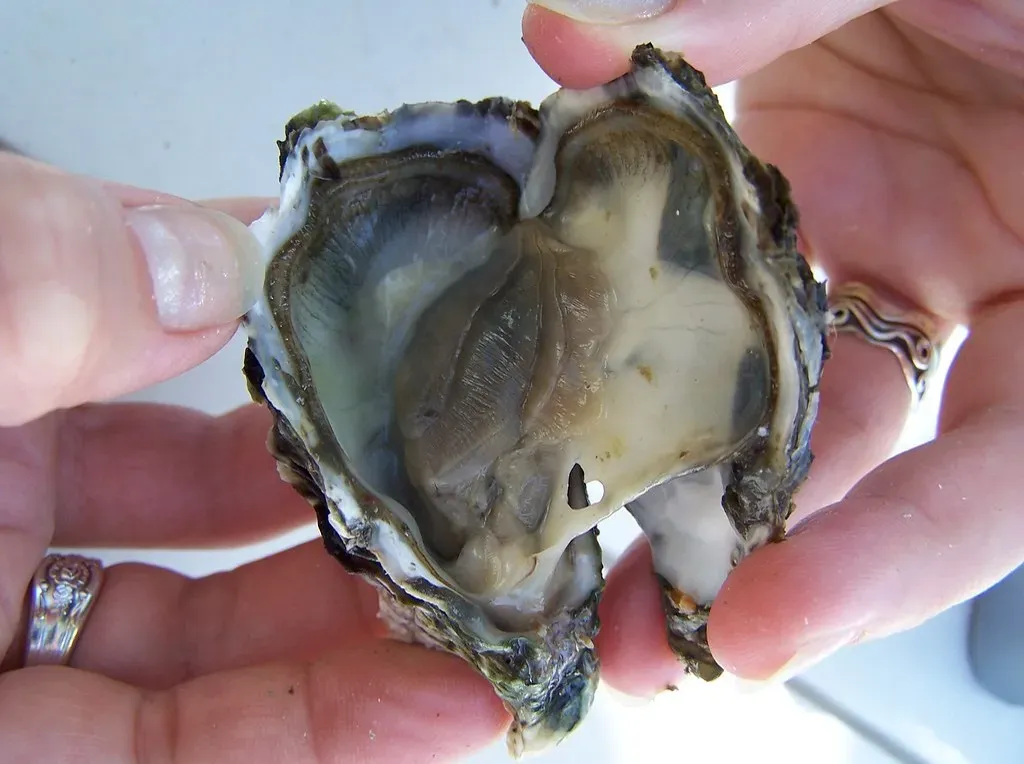
When the world’s your oyster, it means you can do anything, be anything or go anywhere you want to. It’s a phrase often used about young people who are about to begin adult life and have lots of opportunities open to them. The expression celebrates possibility and potential, suggesting limitless opportunities await. However, ‘s original usage carried a more sinister tone about extracting wealth through force.
You have to open oysters with a knife, and an oyster will die once it has been opened. So Pistol is telling Falstaff that he is not afraid to use violence to get what he wants. The modern meaning has shifted dramatically toward optimism. Today’s graduation speeches and motivational talks frequently employ this phrase to inspire young people, completely divorced from its violent origins in The Merry Wives of Windsor.
Heart of Gold

If you have a heart of gold, you are very kind to other people. In ‘s Henry V, the character Pistol says: “The King’s a bawcock, and a heart of gold.” The phrase praises someone’s generous, compassionate nature using precious metal as a metaphor. Gold’s value and rarity make it the perfect symbol for exceptional kindness.
Gold is very valuable, so to have a heart of gold could be considered rare. The expression remains common in describing beloved family members, generous friends, and selfless community members. The popularity of through the centuries caused people to quote him, and today, we spout quotes and idioms from his plays without even realizing their origins. This unconscious usage proves how thoroughly ‘s language has woven itself into everyday speech across generations and continents.