Anyone who has worked the doors, the merch table, or the barricade line at a concert has a story that starts with “you would not believe.” Staff see the same handful of frustrating habits repeat night after night, tour after tour, regardless of genre or city. Some of these behaviors are simply annoying. Others have led to real injuries, canceled sets, and, in a few extreme cases, national headlines.
Rushing barricades before doors even open
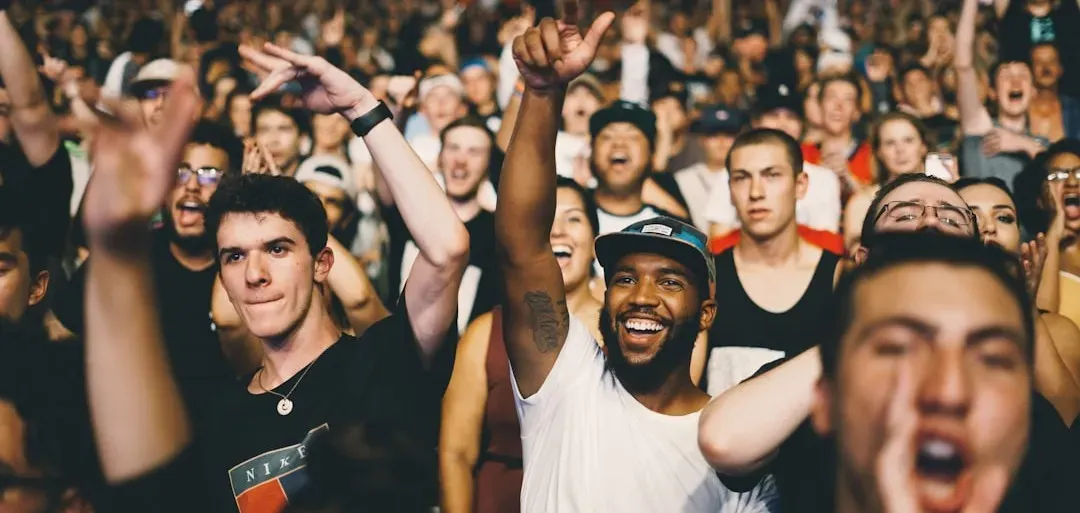
Security teams across arenas and clubs alike describe the same pre-show scramble: fans sprinting toward the front rail the moment gates open, shoving past slower patrons in the process. It is one of the most physically dangerous moments of any show, precisely because it happens before anyone in charge is fully positioned to manage the crowd.
The consequences can be severe. Three people were trampled at a Rod Wave show after fans stormed the venue when they thought they heard gunshots, which turned out to be nearby fireworks. Fans tore down metal detectors and barricades, and video showed the security guards were clearly outnumbered. That kind of panic-driven rush is exactly what staff are trained to prevent, but they cannot do it alone.
Bringing oversized bags without checking the policy first
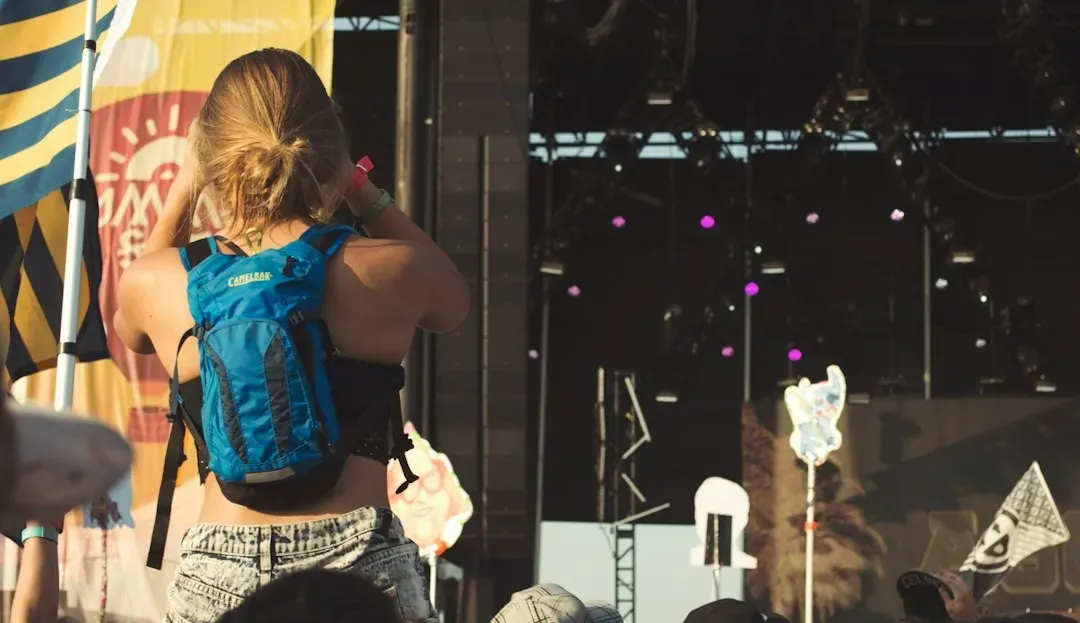
Bag checks are one of the slowest, most argument-prone parts of any show entry, and venue staff say the friction is almost always avoidable. Fans regularly show up with backpacks, large totes, or luggage-sized bags despite clear policies posted weeks in advance on venue websites and ticket confirmations.
When policies are enforced inconsistently or fans are caught off guard, things can spiral fast. Fans rushed to the exit doors to get their bags even before the artist finished her last song, and many were upset to find their bags scattered on the floor and piled up. The bags were only identifiable through alphabetic and numeric codes, making it a headache for the ushers and security personnel to find every bag without any order or procedure to follow. A five-minute policy check at home saves everyone an hour of chaos at the door.
Showing up already intoxicated
Staff at venues of every size point to pre-gaming as the single biggest driver of bad behavior once the doors open. A security guard interviewed about crowd conduct put it plainly, noting that the root cause of a lot of ugly behavior is intoxication. It is not a new problem, but staff say it has intensified since live music fully rebounded from pandemic-era shutdowns.
Guests who arrive already impaired tend to escalate faster, argue more with staff, and lose track of basic venue etiquette like personal space and line order. Security workers are not trying to ruin anyone’s night; they are trying to keep one over-served fan from ruining it for a hundred others nearby.
Ignoring the seated versus standing agreement
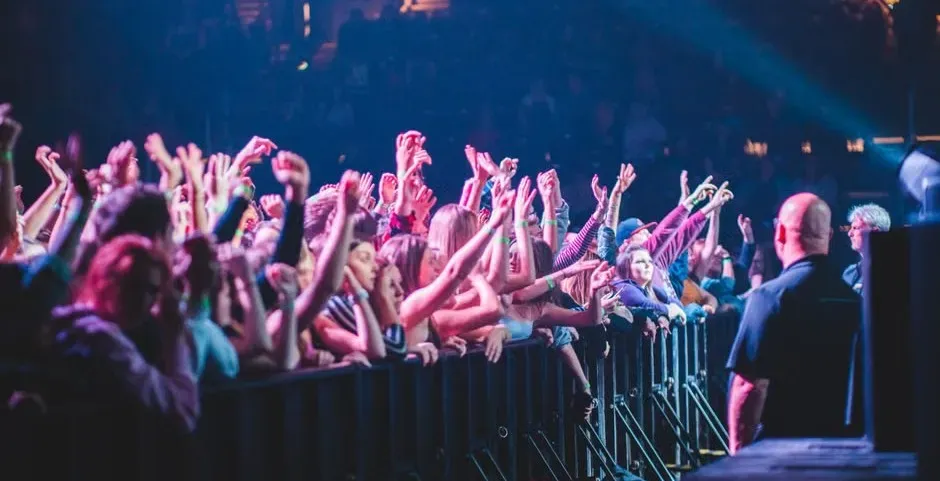
Few disputes generate more friction inside a venue than the sit-or-stand debate, and staff are routinely caught in the middle of it. The issue gained national attention when a fan at an Adele concert stood, sang and filmed himself during her show, even though many of the people in his section were seated, and a security guard got involved.
What made the moment notable was Adele’s own response. When a security guard approached him, Adele stopped the show and asked what was going on with that young fan, noting he had been bothered so much since she came on for standing up. The house manager at another venue summed up the no-win position staff are placed in, calling it kind of our worst nightmare. Staff cannot control ticket pricing tiers or seating culture; they can only enforce whatever the artist and venue agree on that night.
Throwing objects toward the stage
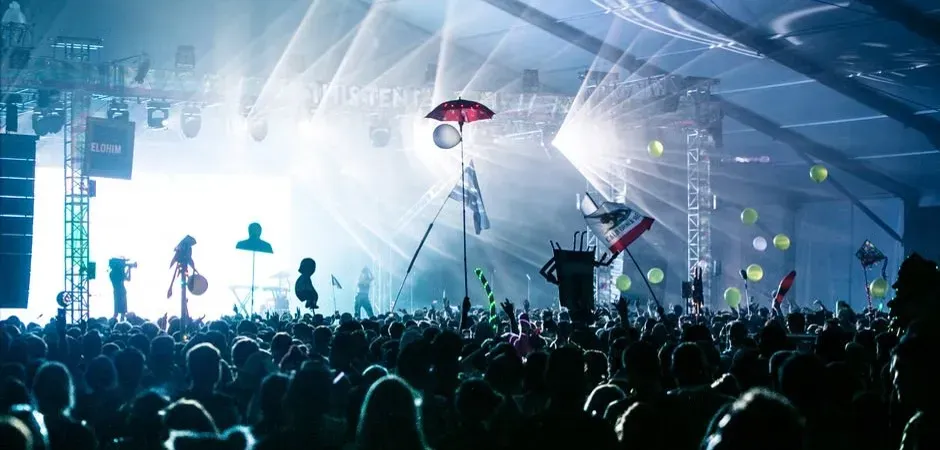
What used to be a rare, isolated incident has become a recurring safety concern that venue staff now brief for before nearly every show. Music critic Rob Sheffield described the trend bluntly, writing that fans throwing items at performers had become a disturbing and loathsome epidemic of fan aggression against performers in recent years.
The examples are not minor. Kelsea Ballerini got hit in the face when a concertgoer threw a bracelet at her during a show in Boise, Idaho. A stuffed animal turned into a weapon when it hit Lady Gaga in Toronto, and further back, someone threw a lollipop at David Bowie in Norway in 2004 and almost blinded him. Staff say the pattern is rarely about genuine anger toward the artist; it is closer to attention-seeking that ignores basic physical risk.
Trying to identify or approach performers backstage
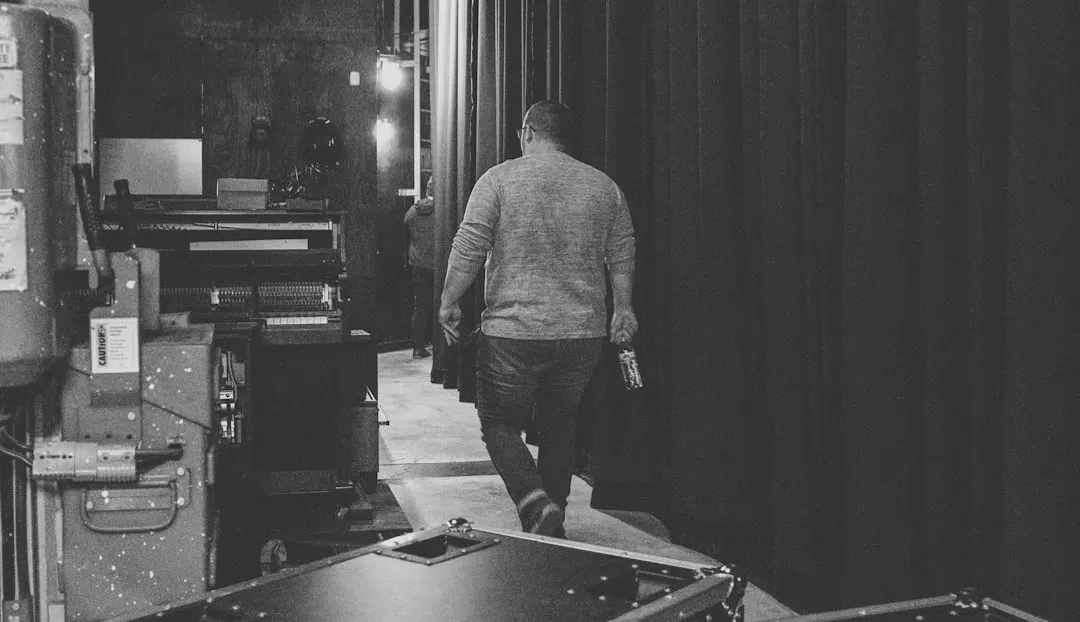
One of the odder recurring requests from venue staff involves photo sheets, literal printed images of band members posted near loading docks and side-stage areas. These exist because venues create photo lists of band members marked with bold instructions such as PLEASE DO NOT STOP or THESE PEOPLE ARE NOT TO BE STOPPED EVER, so staff can quickly recognize performers amid busy schedules and rotating crews.
It might sound excessive, but industry professionals confirm it is standard practice to keep events safe and smooth, even if the signs amuse fans who wonder why lanyards are not enough. The confusion usually comes from overzealous fans trying to slip past checkpoints by claiming personal connections to the band, which forces staff to double- and triple-check every credential at the door.
Forming unauthorized mosh pits or crowd surges
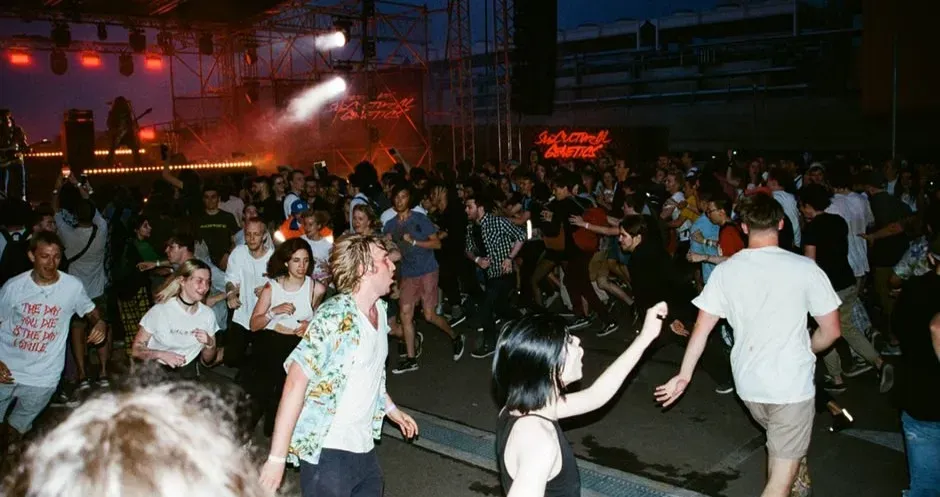
When an artist encourages a pit or a rush toward the stage without coordinating with venue security first, the results can end a show entirely. That is what happened during Lil Yachty’s show in Vancouver, which came to an abrupt end after the rapper urged fans to rush to the stage before security were forced to intervene and cancel the concert.
Partner offer
The star told fans to come on down and fill it up, and footage showed hundreds of concertgoers rapidly flocking toward the mosh pit. Organizers eventually turned off his microphone and turned up the house lights, and the venue confirmed the show was cancelled due to the artist’s actions creating a dangerous environment. Staff say this scenario, an artist stoking a crowd surge without warning security, is one of the hardest things to manage because it removes their ability to prepare in advance.
Disrespecting ushers and ground-level staff
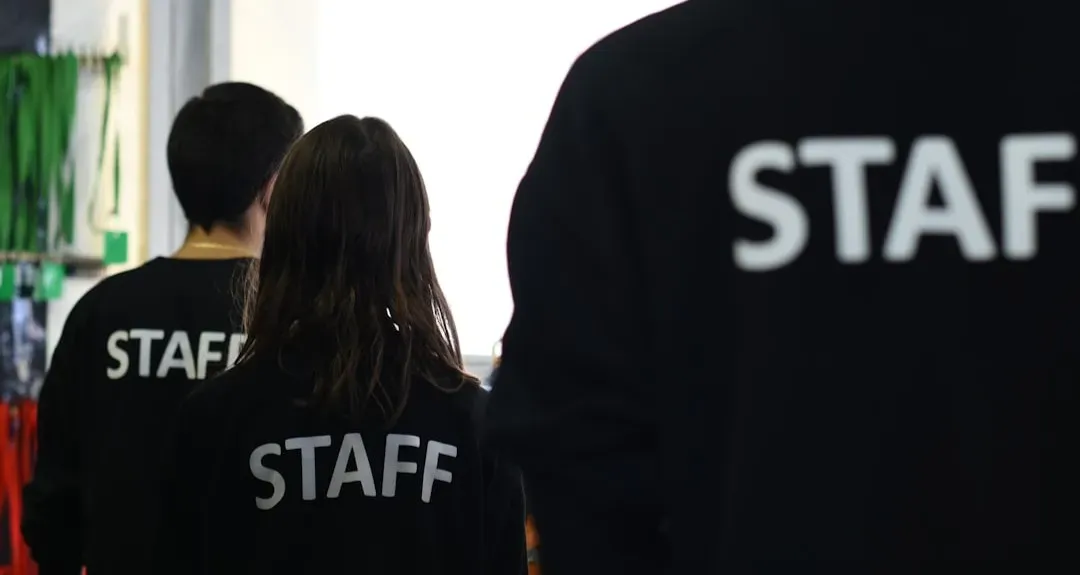
Long before anything reaches a security supervisor, most friction starts with how fans treat the entry-level staff checking tickets and directing seating. A college newspaper opinion piece captured this frustration years ago, describing a scene where fans were standing up in theater seats, smoking a vast array of smokables, and treating the theater staff like something you scrape off your shoe.
The writer noted that the ushers were, for the most part, just students doing their job and should not have to conduct themselves as bouncers to get people where they are supposed to be. That observation still holds. Most ushers and ticket-checkers are not security-trained; they are simply trying to do a straightforward job that fans occasionally make unnecessarily hostile.
Assuming security is the enemy from the start
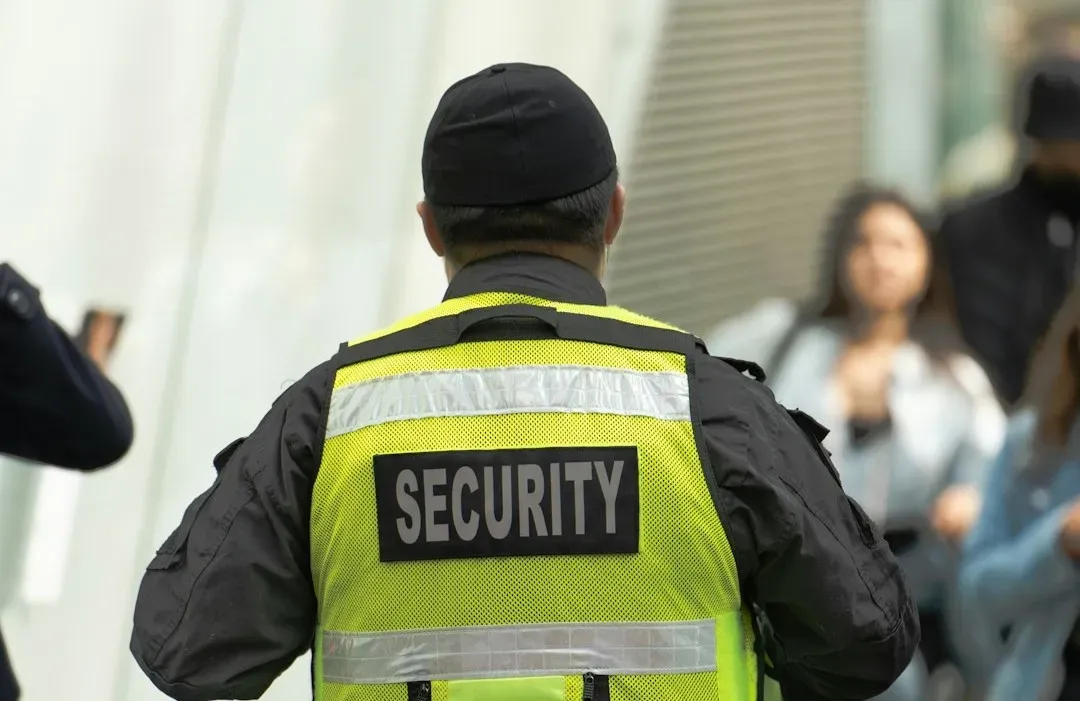
Perhaps the most common complaint from venue staff is a mindset problem more than a specific action: fans arriving already primed to see security as adversarial rather than protective. This assumption tends to escalate ordinary interactions, like a bag check or a seating reminder, into confrontations that did not need to happen.
Incidents involving alleged excessive force, like the one where attendees alleged that security used excessive force on fans during a show’s opening act, with videos showing drinks and phones being knocked out of hands and fans being dragged out of the venue, tend to dominate headlines and reinforce the us-versus-them narrative. Yet staff maintain that the vast majority of security interactions are routine, and that starting from a place of hostility rarely ends well for either side.
Final thoughts
Partner offer
Planning a trip to Vegas?
Compare hotel rates and show tickets on VEGAS.com.