Ever since humans gazed at the night sky, we’ve been drawn to that tiny reddish dot hovering above. Mars has captivated our imagination for generations, sparking countless questions about whether we could one day call it home. The idea seems almost surreal, doesn’t it? Trading Earth’s blue skies for red dust and endless horizons.
Yet, in the last few years, the conversation has shifted from science fiction to science fact. Scientists around the world are studying Mars in unprecedented detail, and what they’re finding is both thrilling and sobering. So let’s dive in and explore what it would really take for humans to survive on the Red Planet.
The Harsh Reality of Mars’ Atmosphere and Climate
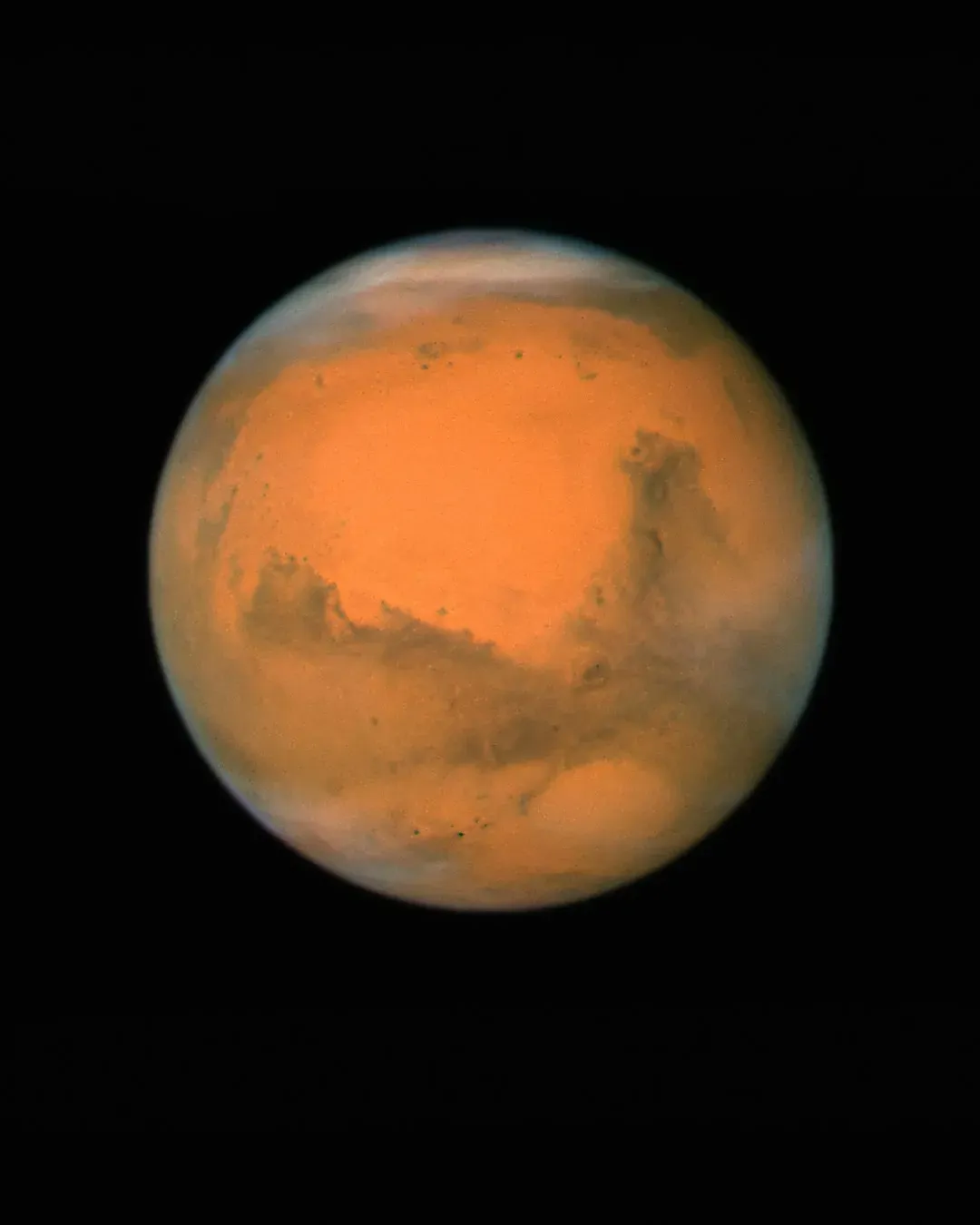
Mars has surface temperatures that fluctuate widely, between roughly minus seventy degrees Celsius and zero degrees Celsius, meaning no human could survive outside without significant protection. The planet’s atmosphere is incredibly thin, composed almost entirely of carbon dioxide with only trace amounts of breathable oxygen. Actually, Mars would require the migration of humans to the planet, the establishment of a permanent human presence, and the exploitation of local resources.
Without a proper spacesuit or pressurized habitat, exposure to the Martian environment would be lethal within minutes. The lack of atmospheric pressure alone would cause human bodily fluids to boil at normal body temperature. Scientists have learned from decades of robotic missions that Mars once had a thicker atmosphere and potentially flowing water billions of years ago, but that era has long passed.
Radiation Exposure: An Invisible Killer
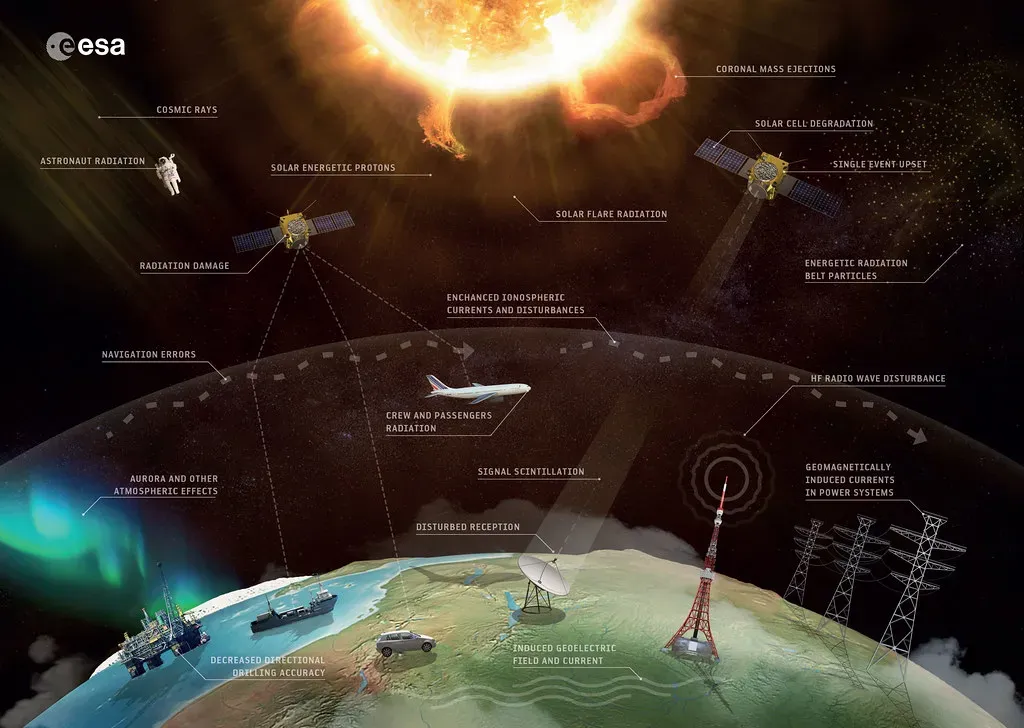
Here’s the thing: Mars doesn’t have a protective magnetic field like Earth, and that’s a huge problem. An astronaut on a mission to Mars could receive radiation doses up to 700 times higher than on our planet, making this one of the most significant obstacles for human health. Cosmic rays and solar radiation continuously bombard the Martian surface.
Cosmic radiation could increase cancer risks during long duration missions, and damage to the human body extends to the brain, heart and the central nervous system and sets the stage for degenerative diseases. Think about that for a moment. We’re not just talking about a minor health inconvenience. During a typical round trip mission to Mars, astronauts could experience at minimum levels of 0.66 sieverts during a round trip, and research suggests that protective shielding will be absolutely critical for any long-term survival.
Creating Breathable Air with New Technology
Let’s be real, you can’t exactly take a deep breath on Mars and expect to survive. The atmosphere is about ninety-five percent carbon dioxide, so humans will absolutely need life-support systems and enclosed habitats to generate air. Fortunately, NASA has been testing some pretty remarkable solutions.
On its 16th and final run, on August 7, 2023, the MOXIE instrument made 9.8 grams of oxygen, successfully demonstrating that oxygen can be extracted from Mars’ carbon dioxide atmosphere. At its most efficient, MOXIE was able to produce 12 grams per hour of oxygen, twice as much as NASA’s original goals for the instrument, at 98% purity or better. While that’s not enough for full human missions yet, it proves the concept works, and engineers are already envisioning scaled-up versions.
Water on Mars: Hidden But Not Impossible
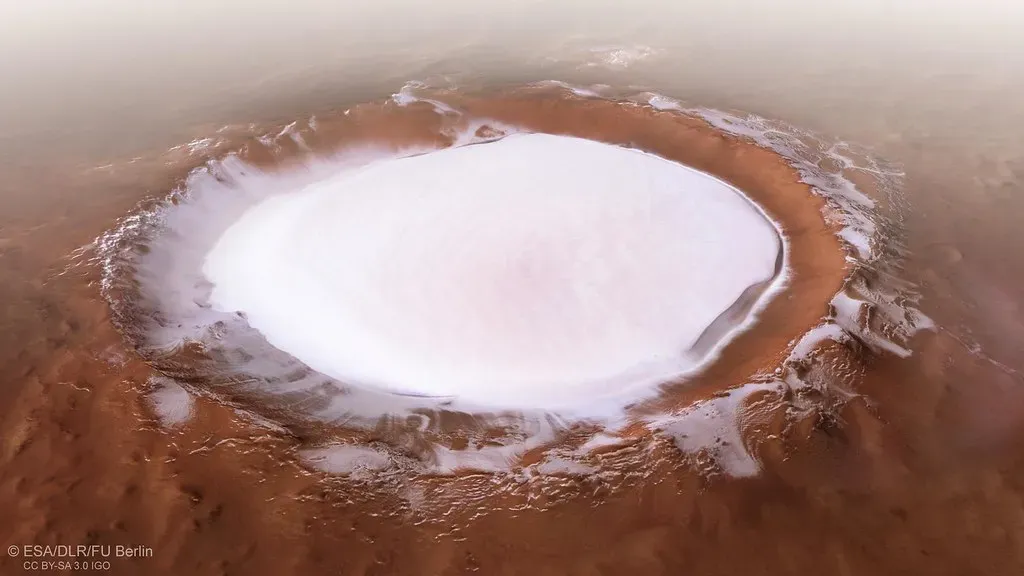
Water is fundamental to human life, and luckily, Mars does have it – just not in the form we’re used to. Mars contains water ice at its poles and frozen beneath the regolith, the Martian soil. There may even be briny, liquid water deep underground, though accessing it would require extensive drilling and extraction operations.
Future settlers would need to rely on in-situ resource utilization, or ISRU for short, to extract this water for drinking, agriculture, and even producing rocket fuel. It’s hard to overstate how crucial this will be. Shipping water from Earth would be prohibitively expensive, so tapping into Mars’ own reserves isn’t just smart – it’s essential for any sustainable presence.
Growing Food in a Barren World
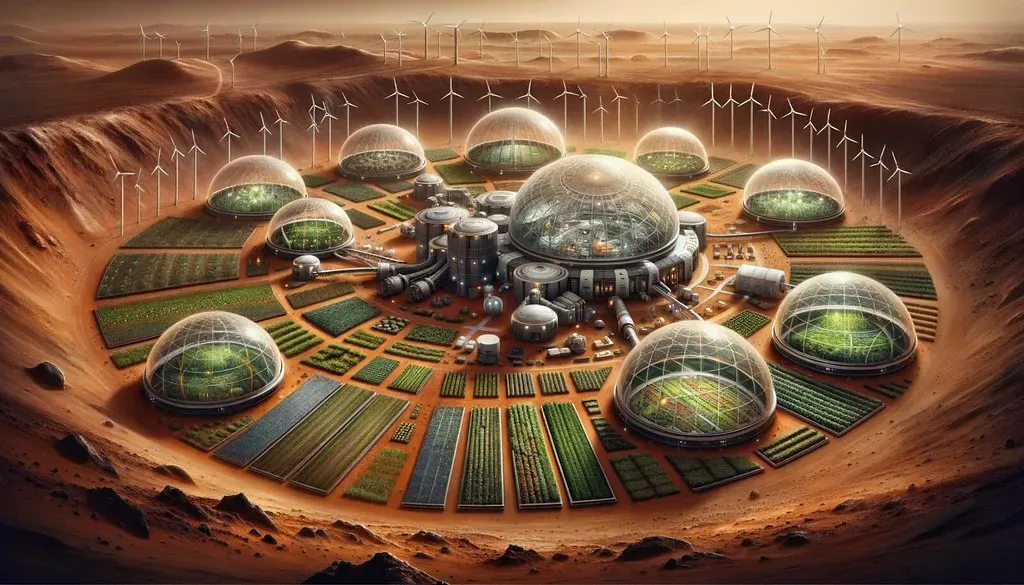
Imagine trying to farm on a planet with toxic soil, no rain, and virtually no atmosphere. That’s the challenge scientists are grappling with when it comes to feeding future Martians. The CHAPEA crew engaged in growing and harvesting vegetables as part of NASA’s research into sustainable living on Mars, aiming to reduce the reliance on pre-packaged, shelf-stable food supplies, and the crew successfully cultivated several crops.
Technologies like hydroponics, aeroponics, and closed-loop life-support systems are being explored to create controlled agricultural environments. It’s not going to be as simple as planting seeds in Martian dirt and hoping for the best. Honestly, the soil itself contains perchlorates – chemical salts toxic to humans – which means extensive treatment or completely soil-free growing methods will be necessary.
Dealing with Toxic Martian Soil
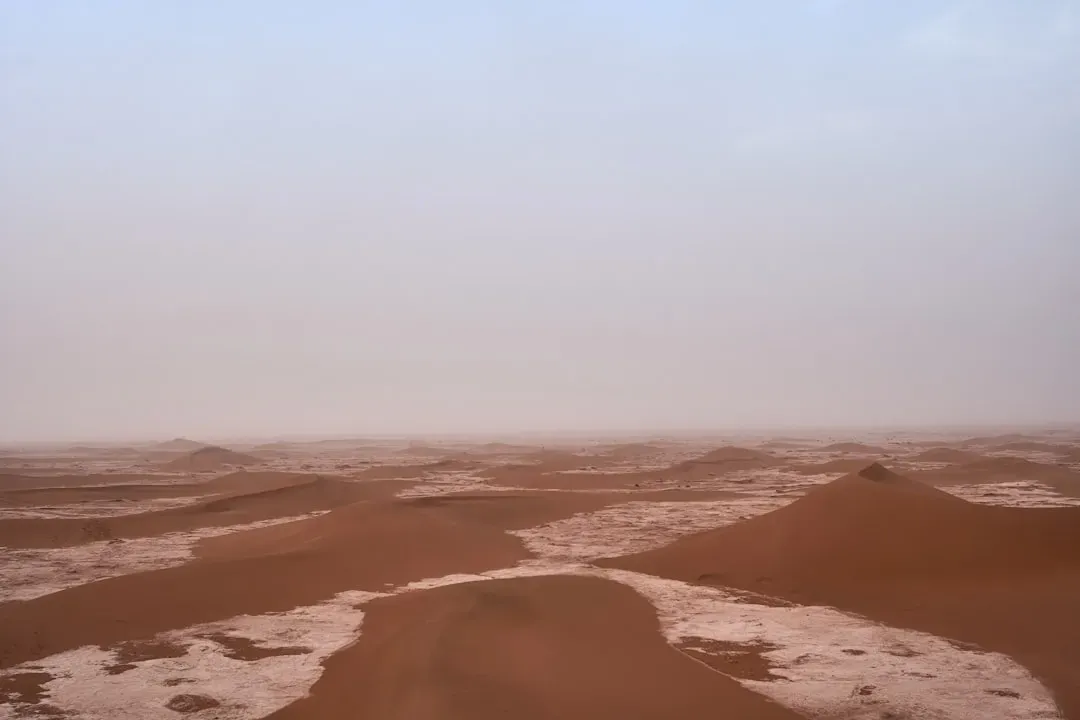
Mars might look like a giant sandbox, but that dust is far from harmless. Martian regolith contains perchlorates, which are not only toxic to humans but could also damage equipment and harm astronauts’ lungs if inhaled. The fine dust can get everywhere, coating surfaces and seeping into machinery.
Protective systems will need to minimize direct exposure during construction, farming, or any surface activity. Future habitats will likely incorporate airlocks and decontamination zones to prevent Martian dust from infiltrating living spaces. It’s one of those challenges that seems minor at first glance but could create serious logistical and health issues over time.
The Mystery of Low Gravity Health Effects
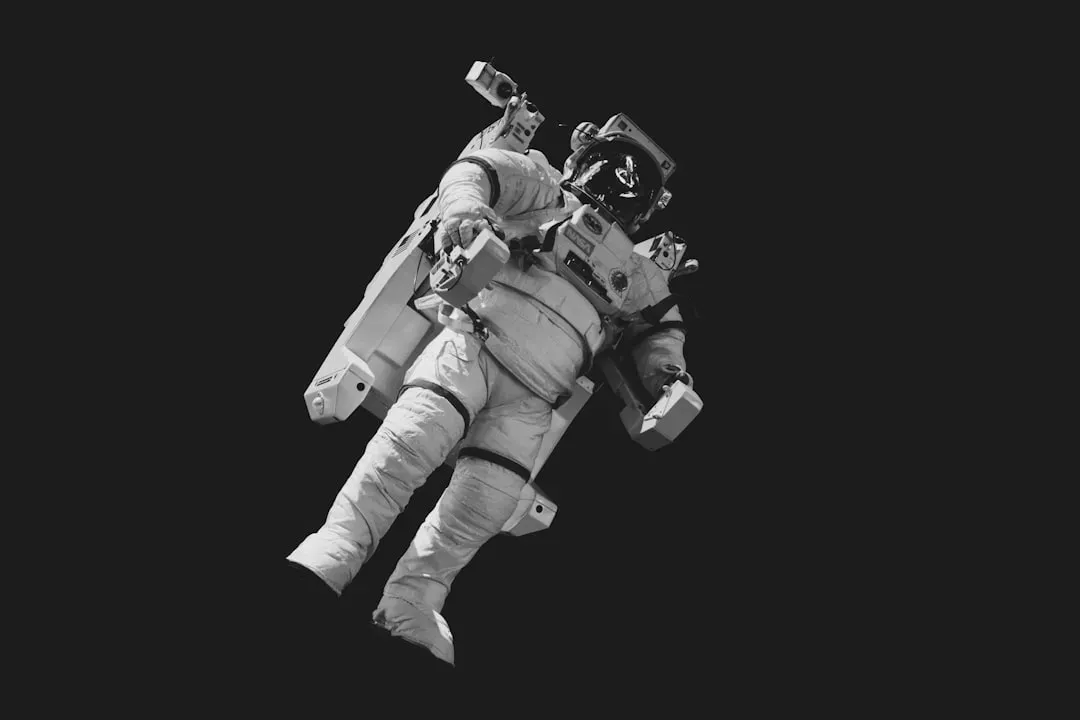
Mars has a gravitational force about 38% that of Earth’s, and while this reduced gravity allows for easier movement and less energy expenditure, it may have adverse long-term effects on human health, including muscle atrophy, bone density loss, and changes in cardiovascular and other bodily systems. Scientists still don’t fully understand how living in this reduced gravity for years or decades will impact the human body.
Astronauts on the International Space Station experience microgravity and suffer significant bone and muscle loss, despite rigorous exercise routines. Mars’ partial gravity might reduce some of those effects, but we simply don’t have enough data yet. Long-term research and careful health monitoring will be critical before committing to permanent settlements.
Building Homes with Martian Materials
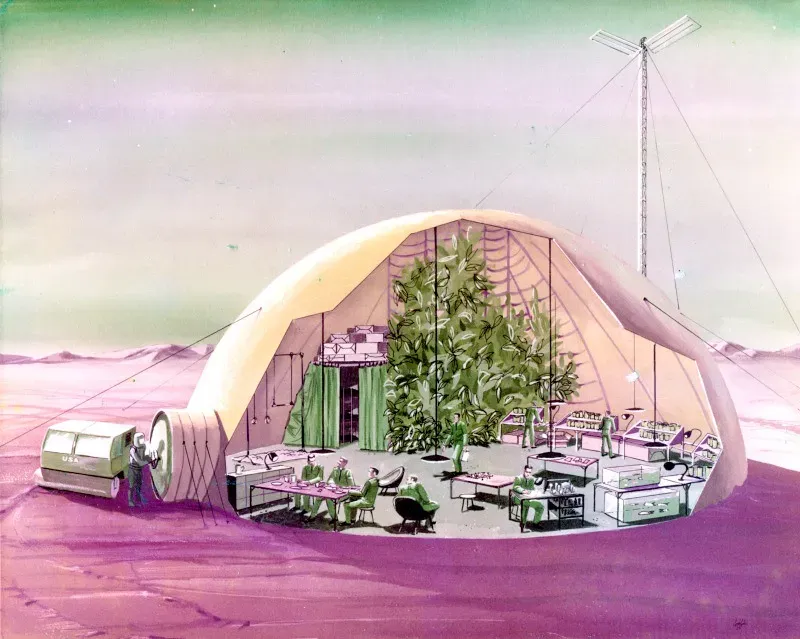
Shipping construction materials from Earth to Mars would cost a fortune and isn’t sustainable for large-scale settlements. That’s why scientists and engineers are exploring ways to build habitats using local Martian resources. Technological advancements are being examined, including developing Martian concrete, which utilizes sulfur as a binding agent.
The CHAPEA habitat, known as Mars Dune Alpha, is a 1700 square foot 3D-printed area designed to simulate the type of structure that would be built on a mission to Mars. By using 3D printing technology and in-situ materials, future Martians could construct robust, radiation-shielded habitats without relying heavily on Earth-based supply chains. It’s an innovative approach that could dramatically reduce costs and increase the feasibility of long-term settlement.
Simulating Mars Life on Earth
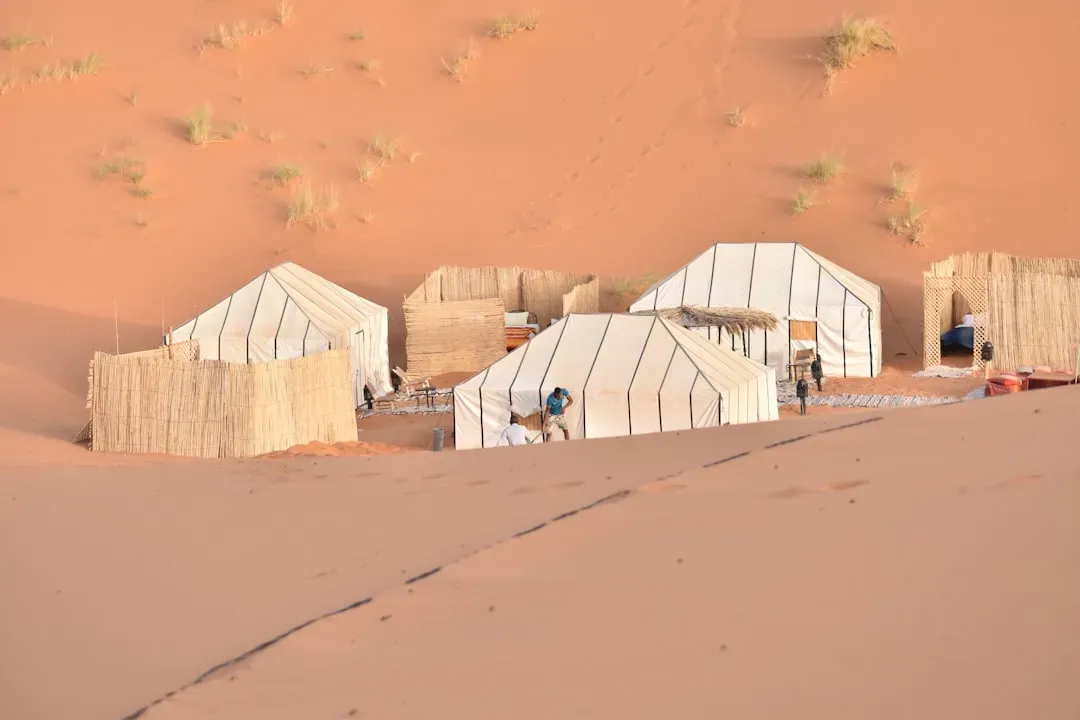
Before sending humans to Mars, NASA needs to understand how people will cope psychologically and socially in such an isolated, confined environment. CHAPEA is a series of analog missions that simulate year-long stays on the surface of Mars, with each mission consisting of four crew members living in an isolated 1,700-square-foot habitat.
Efforts to mimic a real Mars mission include a 22-minute delay in communications, resources limitations, simulated equipment failures, and simulated spacewalks. The first CHAPEA mission concluded July 6, 2024, with a total duration time of 378 days. These simulations provide invaluable data on team dynamics, stress management, and the mental health challenges of living on another world. Honestly, the psychological aspect might be just as difficult as the technical ones.
Signs of Ancient Life Spark New Hope
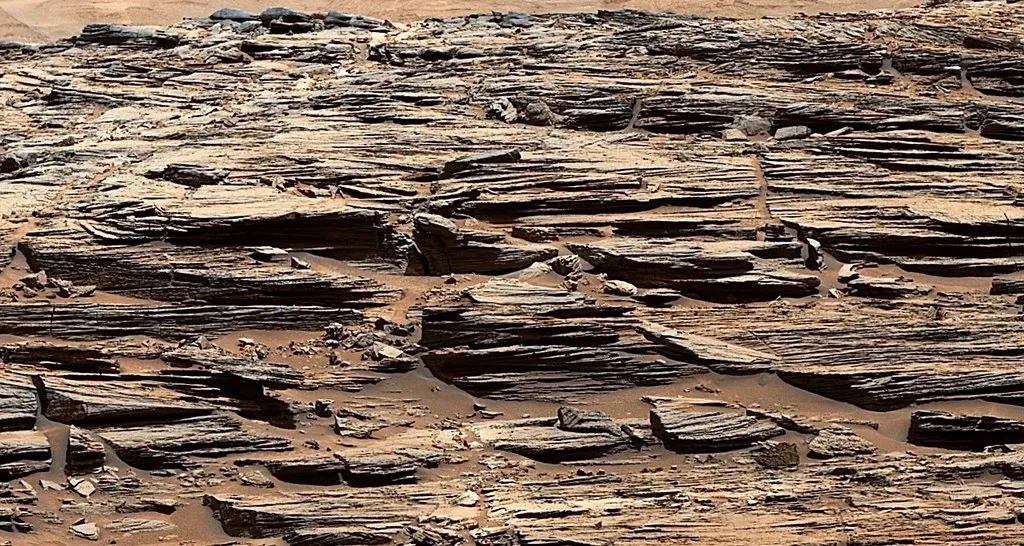
One of the most exciting recent developments is the discovery of potential biosignatures on Mars. Using Perseverance’s suite of instruments, scientists detected organic molecules and small arrangements of minerals that appear to have formed through redox reactions, and among the most striking features are tiny nodules enriched in ferrous iron phosphate and iron sulfide, minerals commonly associated with microbial metabolisms.
Scientists must seriously consider the possibility that they were made by creatures like bacteria living in the mud in a Martian lake more than three billion years ago, while the team emphasizes that the evidence is not definitive proof of past life. These findings have reignited scientific interest in Mars and the tantalizing question of whether life once existed there. Even if Mars is sterile now, understanding its biological past could reshape our approach to settlement.
So, Can We Really Live There?
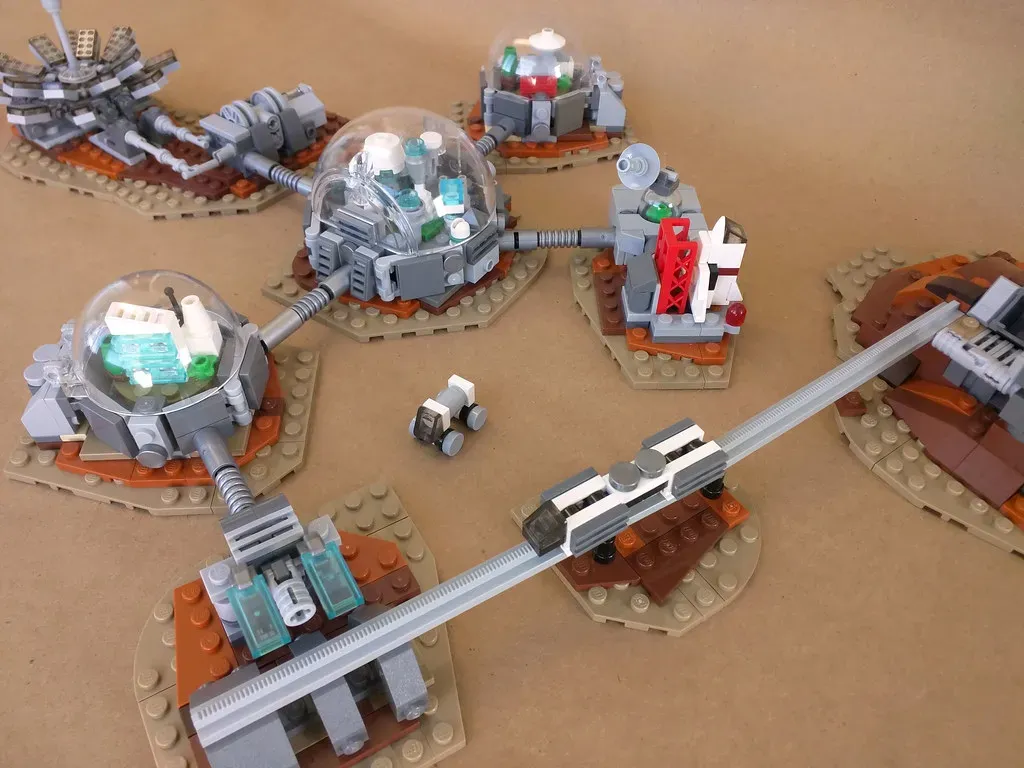
The short answer is: not easily, but possibly. Mars presents daunting challenges – from lethal radiation and toxic soil to extreme temperatures and a lack of breathable air. Yet, each of these obstacles is being tackled by brilliant scientists and engineers around the world. Technologies like MOXIE prove we can produce oxygen. Simulations like CHAPEA show we can endure isolation. Discoveries of organic molecules hint that Mars might have once supported life.
The path to a permanent Mars settlement will be long, expensive, and risky. It’ll require international cooperation, unprecedented technological innovation, and perhaps a bit of that human stubbornness that got us to the Moon in the first place. Whether the first Martian city emerges in our lifetimes remains uncertain, but one thing is clear: the dream of living on Mars is closer to reality than ever before. What do you think – would you be willing to leave Earth behind and become one of the first Martians?