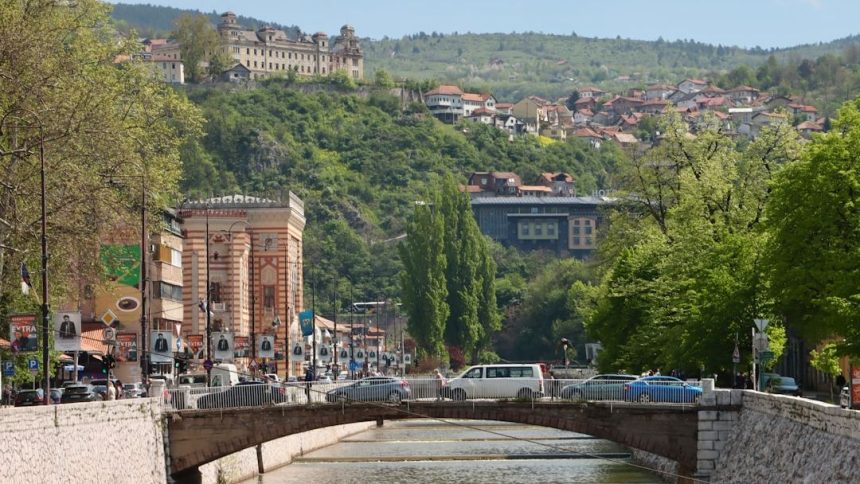
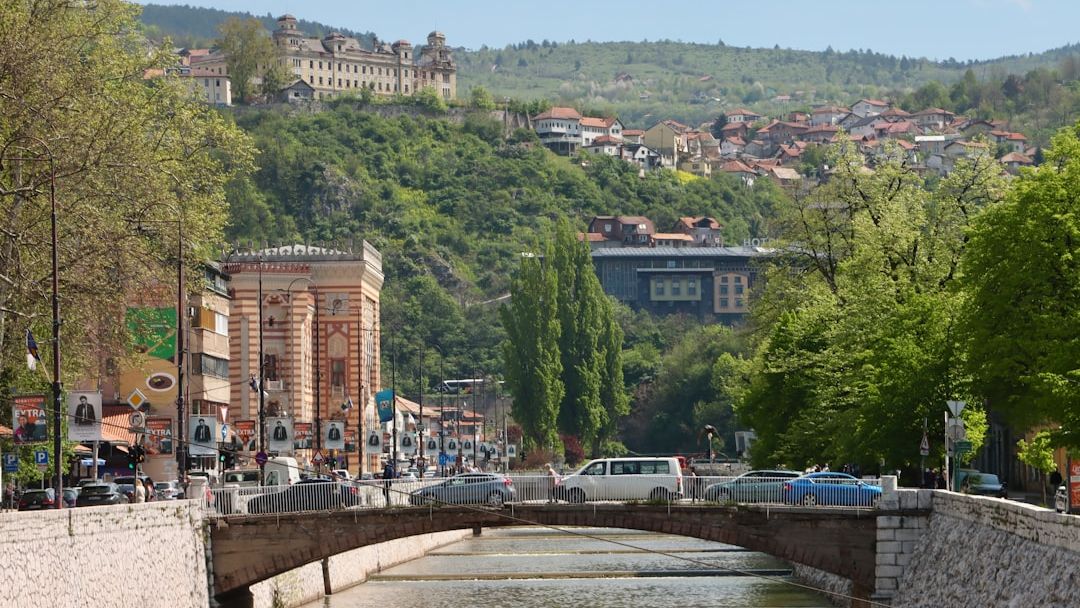

Suspected ‘Sarajevo human safari’ participants investigated for ‘paying to shoot humans’ – Image for illustrative purposes only (Image credits: Unsplash)
Prosecutors in Croatia have opened a formal investigation into an Austrian citizen and one other person over claims they took part in so-called sniper tours that targeted civilians in Sarajevo during the 1990s Bosnian War. The inquiry, launched on April 25, examines accusations that foreign visitors paid large sums to shoot at residents trapped in the besieged city. Officials described the alleged activity as participation in “human safaris,” a practice that reportedly drew participants from several European countries.
Details of the Croatian Investigation
The justice ministry confirmed the probe targets possible involvement in organized tours that allowed outsiders to fire on civilians from Serb-held positions around Sarajevo. An Austrian national identified in some reports as “Sebastian” or “Grof” is named in connection with visits during late 1992 and 1993. A second, still-unidentified individual is also under scrutiny.
Investigators are reviewing statements from a former Bosnian Serb army major who described how Austrian passport holders were remembered at checkpoints near the city. The ministry has not released further details on the evidence gathered so far, but the case builds on earlier reports of similar activity involving other nationalities.
Earlier Allegations and Parallel Inquiries
Italian authorities opened their own investigation last November into citizens accused of paying around £70,000 to join the same tours. Reports have also surfaced naming possible participants from Britain, France, Spain, Russia, and Germany. These separate lines of inquiry reflect a broader effort to examine whether foreign civilians were allowed to take part in the daily sniping that terrorized Sarajevo residents.
During the siege, two main roads earned the grim nickname “Sniper Alley” because civilians had to cross them under constant fire while fetching water or food. Basic services such as electricity, gas, and running water were cut off for months, forcing residents to improvise survival under extreme conditions.
Historical Context and Previous Convictions
The siege of Sarajevo lasted from 1992 until 1995 and left 13,952 people dead, including 5,434 civilians. Bosnian Serb political leader Radovan Karadzic and General Stanislav Galic were later convicted at the International Criminal Tribunal for the former Yugoslavia of war crimes and crimes against humanity for their roles in the campaign. Both received life sentences.
Karadzic is serving his term in the United Kingdom, while Galic was transferred to Germany. The convictions established that systematic attacks on civilians formed part of a deliberate strategy, yet questions remain about whether outsiders were permitted to join the shooting.
Reactions From Officials and Victims’ Advocates
Alma Zadic, a Bosnian-born former Austrian justice minister, called the allegations almost unimaginable in their cruelty. She stated that victims and their families deserve truth, justice, and clarification about any foreign involvement. The new Croatian inquiry is seen as one step toward addressing those demands decades after the conflict ended.
Authorities continue to collect evidence from wartime records and witness accounts. The focus remains on establishing whether the reported tours actually occurred and, if so, who organized or financed them.