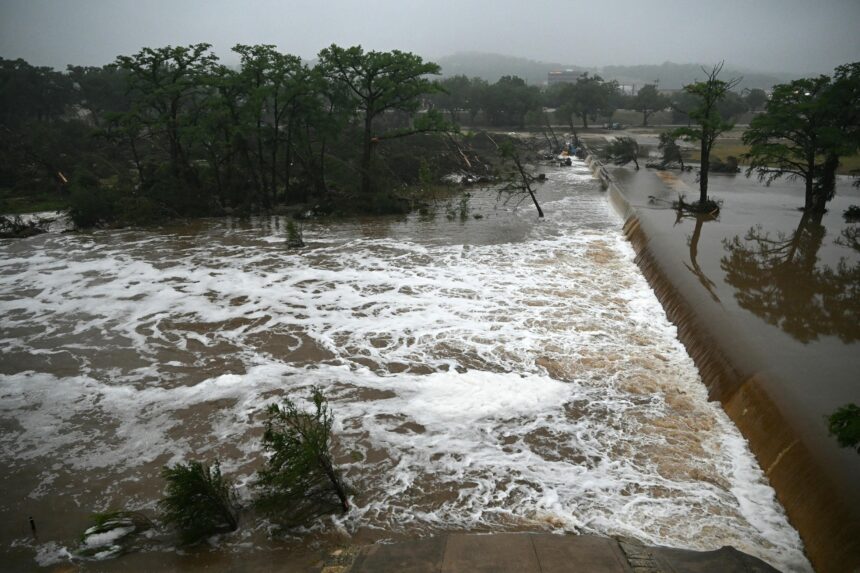
Texas Flood Crisis Uncovers Major Failures in Alert Systems and Emergency Coordination
The recent catastrophic flooding across Texas has left communities devastated and ignited intense debates over the shortcomings in disaster preparedness and dialog. Despite the availability of complex meteorological tools, many residents did not receive timely warnings, leading to tragic losses and widespread property damage. This has sparked a contentious dialogue among local, state, and federal agencies, each pointing fingers over responsibility for the breakdowns that exacerbated the crisis.
Central issues fueling this controversy include:
- Outdated and malfunctioning technology: Critical sensors and communication devices failed during key moments, undermining early alert capabilities.
- Fragmented interagency collaboration: Disparate emergency protocols and poor coordination between government levels hindered a unified response.
- Insufficient funding: Chronic budget limitations have delayed essential upgrades to monitoring infrastructure and emergency personnel training.
| Agency | Identified Problem | Current Status |
|---|---|---|
| Texas Emergency Management | Legacy communication systems | Under complete review |
| Local Flood Control Authorities | Delayed public alert dissemination | Implementing revised alert protocols |
| National Weather Service | Sensor reliability issues | Scheduled equipment modernization |
Communication Failures Between State and Local Agencies Hamper Flood Response
In-depth analysis of the Texas flooding reveals meaningful lapses in the flow of facts and coordination between state authorities and local emergency teams.Local officials contend that critical weather advisories from the state were not effectively relayed, leaving frontline responders ill-equipped to manage the rapidly evolving emergency. Conversely, state representatives maintain that timely warnings were issued, but local entities failed to act decisively or communicate alerts to the public efficiently. This persistent misalignment underscores systemic vulnerabilities such as:
- Disjointed communication networks causing delays in alert transmission
- Absence of a unified command structure during crisis management
- Deficient disaster readiness training at the local level
- Technological incompatibilities between state and municipal emergency systems
To illustrate these challenges, the following timeline compares the issuance of state alerts with local response activities during the critical 48 hours preceding the flood peak. The data indicates that while initial warnings were dispatched promptly,the subsequent relay and execution of emergency measures were inconsistent and delayed.
| Time Period | State Alerts Issued | Local Response Actions |
|---|---|---|
| 48 to 36 hours before flooding | Severe weather watch announced | Monitoring conditions; no public alerts issued |
| 36 to 24 hours before flooding | Flash flood warnings released | Preliminary alerts sent to select officials only |
| 24 to 12 hours before flooding | Activation of emergency alert systems | Inconsistent public alert distribution |
| 12 to 0 hours before flooding | Repeated warnings and rescue preparations | Evacuation orders issued late in critical zones |
Human Stories from the Floods: Community Resilience and Emergency Response
Firsthand accounts from flood survivors reveal the suddenness of the disaster and the strength of community solidarity. Many residents describe how swiftly the waters rose, forcing them to evacuate with little warning. One individual recounted, “Our neighborhood was underwater in minutes. Without the swift action of rescue teams and neighbors,we wouldn’t have made it out alive.” These narratives underscore the vital contributions of local volunteers and emergency personnel who worked tirelessly to save lives.
Key community-driven initiatives during the crisis included:
- Volunteer-operated boat rescues: Navigating submerged streets to evacuate trapped individuals.
- Emergency shelter operations: Providing refuge for hundreds displaced by flooding.
- Distribution of essential supplies: Coordinating delivery of food, water, and medical aid to affected populations.
| Rescue Operation | Individuals Assisted | Volunteer Participants |
|---|---|---|
| Boat Evacuations | Over 350 | 75 |
| Emergency Shelter Intake | 420 | 40 |
| Supply Distribution Centers | More than 1,500 | 60 |
Strategies to Strengthen Flood Warning Systems and Infrastructure Durability
Experts stress the urgent need to modernize early warning mechanisms to mitigate the impact of future flooding events.They advocate for the deployment of cutting-edge meteorological technologies that deliver real-time, localized flood forecasts. Incorporating artificial intelligence and machine learning algorithms can substantially improve prediction precision, affording communities critical extra time to prepare. Additionally, establishing robust, multi-channel communication networks—including SMS alerts, social media platforms, and community sirens—is essential to ensure clear and consistent messaging during emergencies.
Equally significant is upgrading physical infrastructure to withstand increasingly intense weather phenomena. Many bridges, levees, and drainage systems currently in place were not engineered for the severity of recent storms. The table below summarizes recommended improvements:
| Infrastructure Component | Suggested Enhancements | Anticipated Benefits |
|---|---|---|
| Bridges and Road Networks | Elevate structures and use more resilient materials | Reduce flood damage and maintain critical evacuation routes |
| Stormwater Drainage Systems | Increase capacity and integrate smart monitoring sensors | Accelerate water runoff and enable early detection of blockages |
| Levees and Flood Barriers | Reinforce with advanced materials and innovative designs | Enhance flood defense and minimize breach risks |
- Community engagement: Conduct regular emergency drills and public education campaigns to boost preparedness.
- Policy updates: Implement stricter land-use regulations in flood-prone zones.
- Investment focus: Prioritize funding for infrastructure improvements in both urban and rural areas.
Conclusion: Reflecting on Accountability and Enhancing Future Preparedness
As Texas embarks on the challenging journey of recovery, the devastating floods have ignited a critical examination of disaster management systems and accountability. The ongoing disputes among officials over missed warnings highlight the necessity for a comprehensive overhaul of emergency protocols. Residents, experts, and policymakers alike emphasize the importance of coordinated, clear action to close the gaps that left many vulnerable.Strengthening early warning systems, improving infrastructure resilience, and fostering community readiness are imperative steps to safeguard lives and property against the growing threat of extreme weather events.