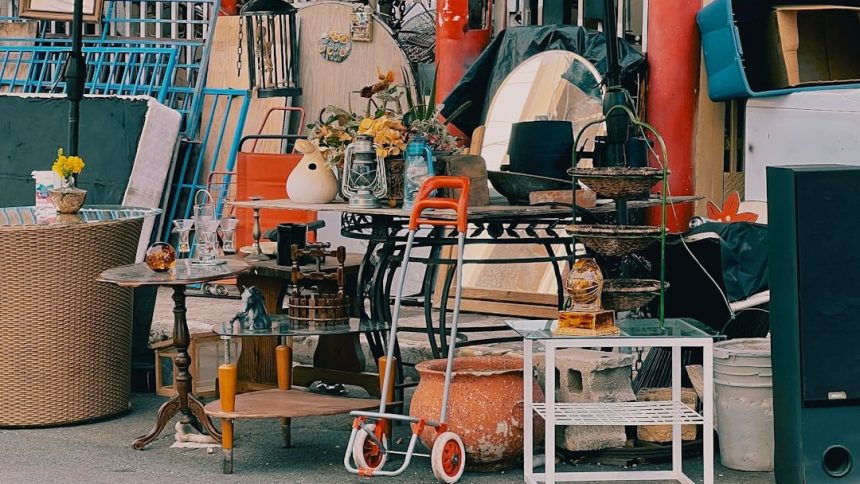
Retirement should be about freedom, relaxation, and the things you love. Yet many people entering this life stage find themselves surrounded by decades worth of possessions that weigh them down instead of lifting them up. Your home might feel overwhelming rather than peaceful, and honestly, that’s not how you want to spend your golden years.
Let’s be real, though. The average American household has 300,000 things, according to research reported in multiple outlets including the LA Times. That’s a staggering number when you think about it. Here’s the thing: transitioning to retirement is your chance to reset, to choose what truly matters, and to create a space that serves your next chapter rather than drags you backward.
The Surprising Mental Health Benefits You Never Expected

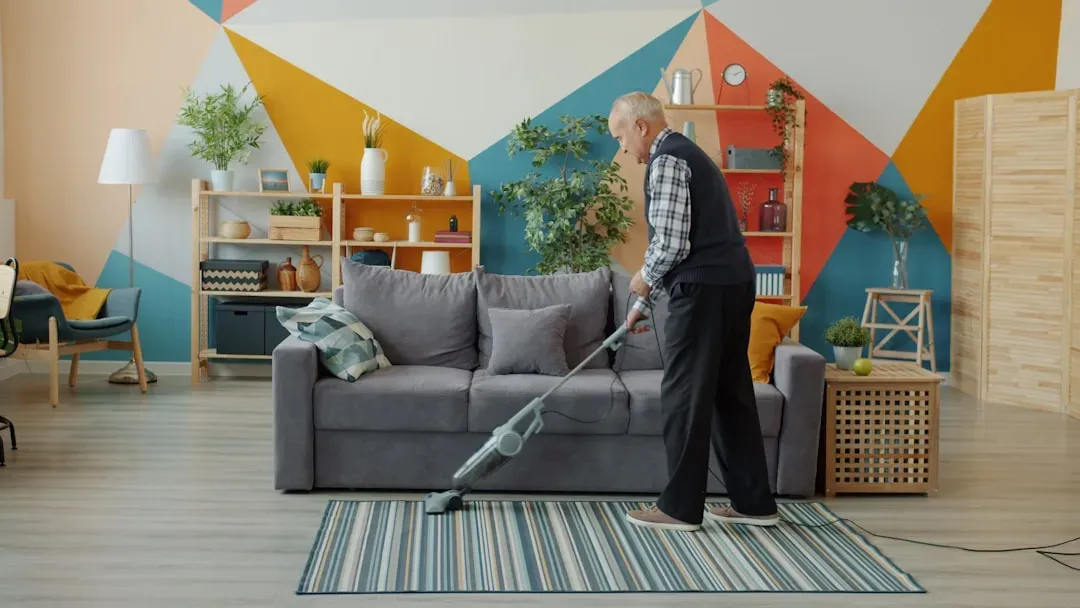
Research shows living in a cluttered residence can cause stress, anxiety, depression and sleep loss. It sounds dramatic, but science backs it up completely. A study conducted by the Princeton University Neuroscience Institute found that a cluttered environment overwhelms the brain and impairs its ability to process information, contributing to heightened stress levels, while decluttering has been associated with reduced cortisol levels.
You might be surprised at how much lighter you feel once you clear space in your home. Research from the Personality and Social Psychology Bulletin and the Association for Psychological Science shows that downsizing can have a positive impact on mental health, with people having lower stress levels, improved focus, and healthier lifestyles after paring down their belongings. Your mind needs breathing room just like your body does.
Think about it this way: every item you own demands something from you. Mental space, physical care, or emotional attachment. When you reduce that burden, you free up energy to actually enjoy retirement instead of managing stuff. A decluttered home is safer and reduces the likelihood of accidents, with removing obstacles preventing falls, a common cause of injury for seniors.
What Absolutely Must Stay: The Essential Keep List

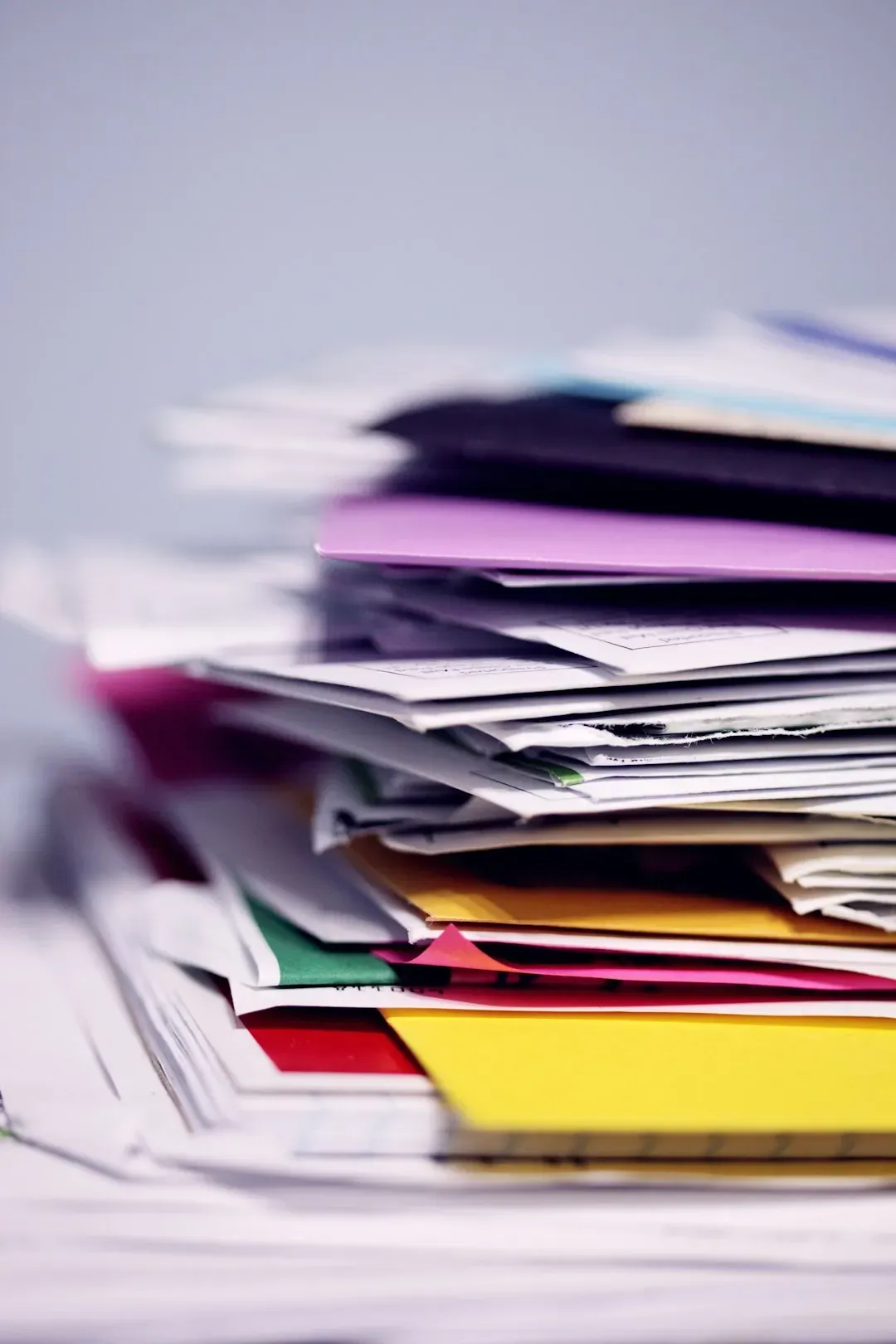
Items to keep should include belongings you use on a regular basis, things you just can’t do without or don’t want to do without, such as sentimental items like family photos or your kid’s trophies, canning supplies if you actually can, and legal papers like your will or house deed. I know it sounds obvious, but when you’re waist-deep in boxes, obvious becomes surprisingly difficult.
Essential documents deserve special attention. Financial records, medical history, tax returns from the past seven years, insurance policies, and property deeds should all be organized and accessible. Shred any paperwork with personally identifiable information such as names, account numbers, and Social Security information before tossing it out.
Consider quality over quantity when it comes to household items. You don’t need three sets of dishes if you’re living alone or as a couple. Keep the ones you love and actually use. Same goes for kitchen gadgets, linens, and clothing. If it serves a purpose in your current lifestyle and brings you joy or utility, it earns its place.
The Art of Letting Go: What Should Actually Hit the Trash

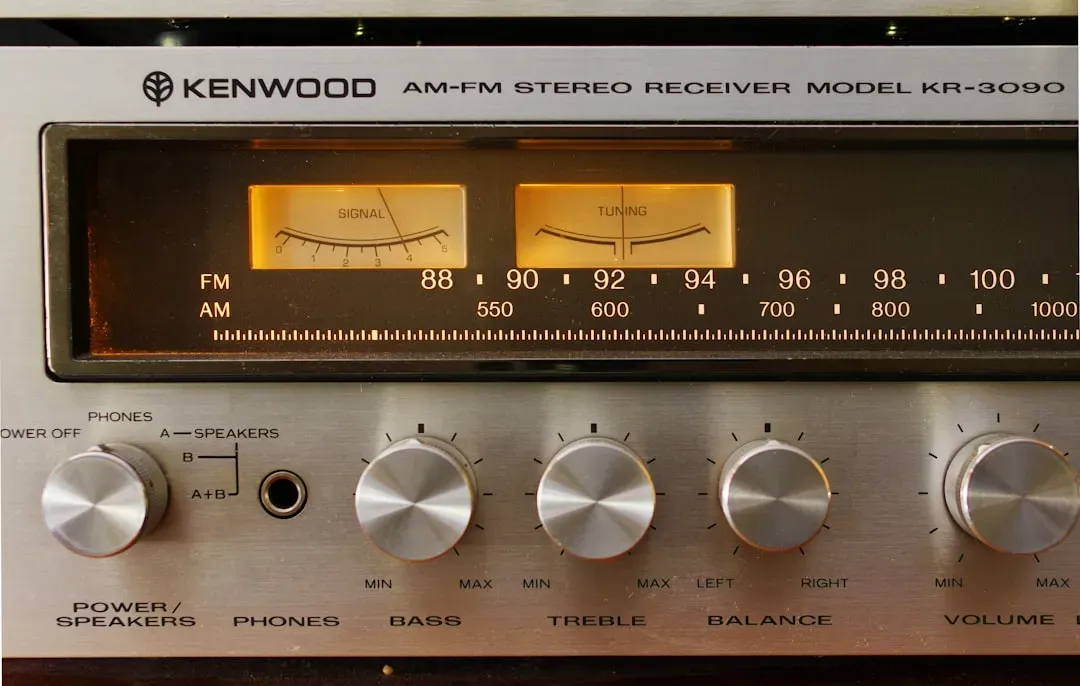
Trashing your belongings may be the hardest for many people since these items have held a place in your home for years, but if there are things you will never use, you can’t donate, and they won’t sell, throw them away and be free. That expired medication from 2015? Gone. Broken electronics gathering dust in the garage? Toss them.
Hard to say it, but those stained towels and worn-out clothes need to go. Same with duplicates you’ll never realistically use. You don’t need three different types of tongs and whisks in your kitchen drawer, as duplicates only add to the clutter that makes moving stressful. Honestly, you probably only use one anyway.
Don’t start the decluttering process by going through photographs, collections or mementos, as you’ll spend longer going through treasured items and it’ll be harder to make decisions, which could lead to feeling overwhelmed; instead, start with the easiest decisions. Start with expired pantry items, old magazines, broken items, and things you genuinely forgot you owned.
Donation Gold: Items That Deserve a Second Life


Great items to donate include clothes and shoes in good condition, furniture and appliances free of scratches or other damage, and books or other entertainment items, with places like Goodwill and the Salvation Army making it easy with drive-thru dropoffs. It’s hard to say for sure, but donating probably feels better than you expect.
Your local Habitat for Humanity ReStore will take items like dressers, coffee tables, couches, miscellaneous building materials, paint supplies, and even a sprinkler, using the profits from the sales of donated items to help build, rehabilitate, and repair homes in your community. These places actually need what you’re getting rid of.
Consider donating books to your local library, as librarians are always looking to stock their shelves with good books, and because government funding, grants, and monetary donations can be in short supply, be a good neighbor and unload some of yours at your local library. If you’ve saved lots of old sheets, towels, and blankets over the years, instead of tossing them, check to see if local animals in need could use them, as the items are perfect to use for their bedding and bath time.
Seniors can also gain tax deductions based on the items they donate, which adds a practical bonus to the good feeling of helping others. Keep records of what you donate for your tax filing.
Partner offer

The Sell-It Strategy: Turn Clutter Into Cash

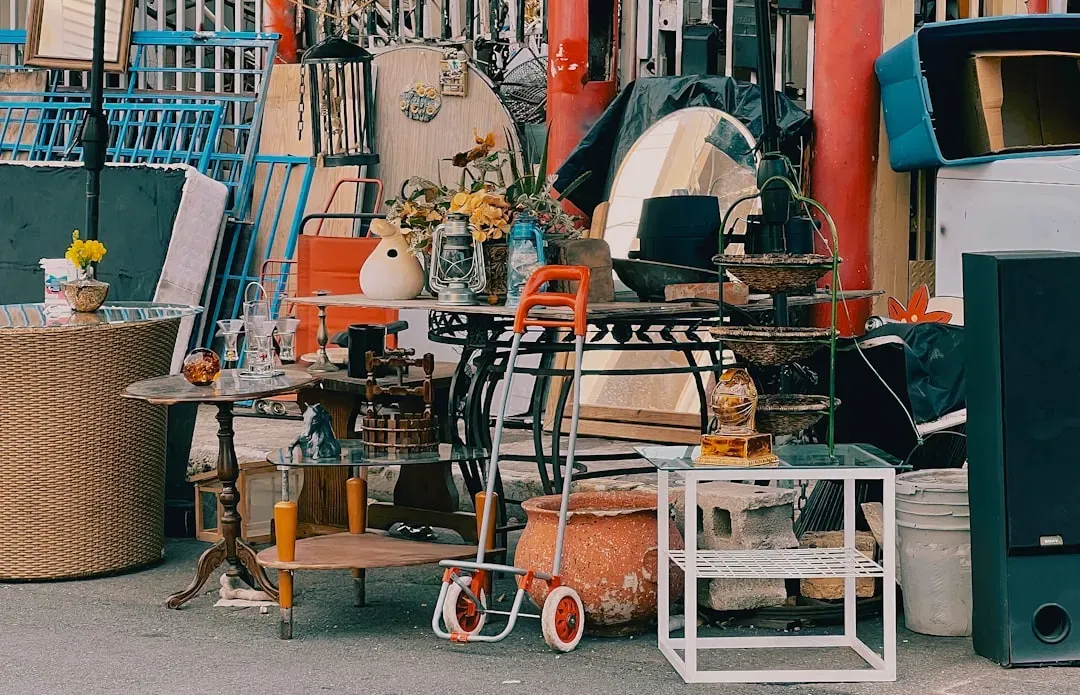
Host a garage sale for items in good condition that you no longer need, post on your community’s social networks, distribute flyers in your neighborhood and tell friends and family to spread the word, as you can make quick cash on furniture and home goods to contribute towards your retirement funds. Every bit helps when you’re on a fixed income.
Consider selling items you no longer require, especially if you’re moving to a smaller home, by identifying marketable items like designer handbags or artwork and exploring platforms like eBay, Craigslist, or Facebook Marketplace to provide quick cash for your move. The online marketplace has made selling easier than ever before.
For furniture, appliances, or other high-price items, you will want to find out if they are worth trying to sell, as couches, lamps, and other items might not be as modern as they should be to sell currently, but if they are antiques or like-new condition vintage home decor, you can probably get some decent money for them from the right buyer. Sometimes what you think is junk turns out to have real value.
Practical Systems: The Four-Box Method That Actually Works

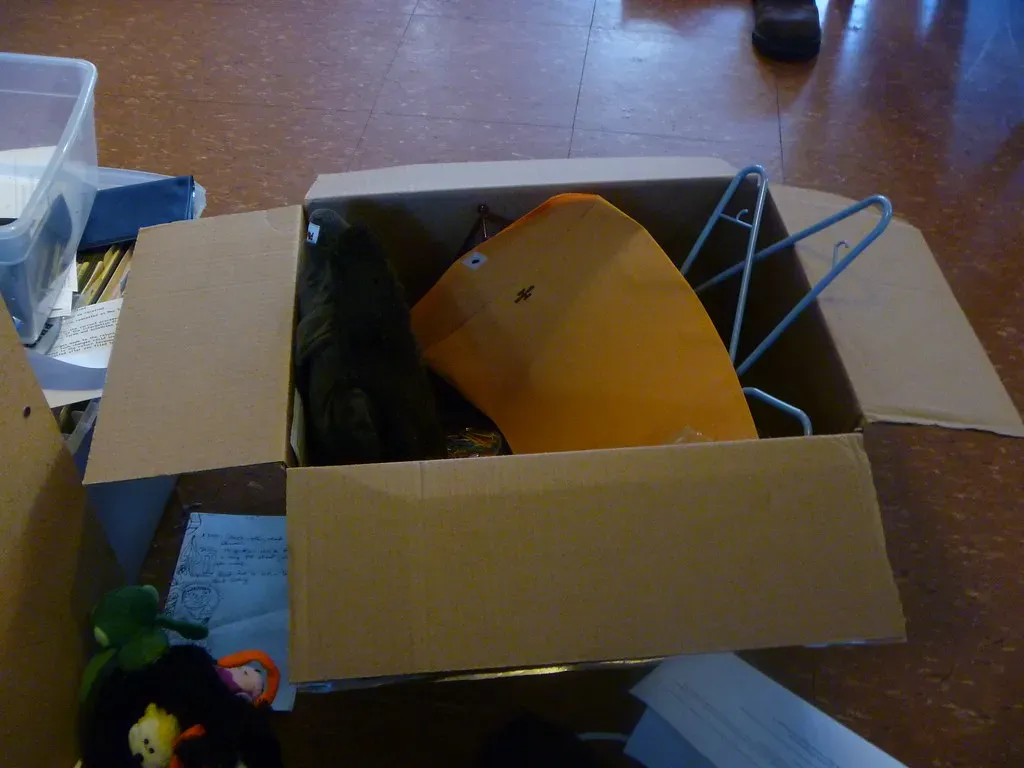
When sorting through your belongings, employing the four-box method can provide structure and clarity to the process; as you go through each item, designate it to one of four categories: keep, donate, sell, or discard, and this method helps streamline decision-making and prevents indecision or procrastination. Simple systems work better than complicated ones.
Start downsizing while you are still in good health, one room or area at a time, work through the process when you have a clear mind, quit for the day or take breaks when you get tired, remain aware of your mental state, and don’t let yourself get overwhelmed by tiredness or by emotion. Pace yourself.
Establishing a “maybe” pile is a mistake; the maybe pile is always the biggest pile and all you’re doing is putting off a hard decision. Trust your gut on the first pass. If you’re genuinely unsure, set a small number of items aside to revisit later, but don’t make “maybe” your default.
Organizing, packing and moving your belongings will probably take more time than you expect, so begin preparing for your move at least two to three months in advance so you’re not in a last-minute time crunch. Give yourself grace and realistic timelines.
The Hidden Financial Upside of Downsizing

Roughly 51% of folks over the age of 50 decide to downsize to a smaller home, according to recent data. Among retired Americans who have already moved, over half downsized to reduce the cost and effort of home ownership according to a 2017 Merrill Lynch survey, while 30 percent chose to upsize into a larger home, often to accommodate family members.
Saving money is one of the primary reasons people downsize in retirement, as cheaper housing is an easy way to boost your budget and increase your retirement savings. Lower utility bills, reduced maintenance costs, and smaller property taxes add up fast. Selling your home will likely result in a windfall of cash, which can boost your savings and grow your retirement nest egg.
Be sure to keep a record of what you donated for your tax records, as oftentimes the proceeds from the clothing, jewelry, games, and housewares that you donate will assist those in your community who have needs related to employment, shelter, food, and emergency relief. The financial benefits extend beyond just the housing costs.
Real Talk: When to Ask for Help
It can be helpful to have an objective outsider around when things start to get stuck, and help is encouraged for smaller bumps like hiring haulers for a couple of hours to move heavy things around or trash out, or finding resources for where to donate and recycle things. There’s zero shame in getting assistance.
About 80% of professional organizer clients are 50 or older, with most of those being 55 to 70, and typically decluttering takes at least 10 to 20 hours, with a three-bedroom, 1,600-square-foot house with an average amount of clutter taking five to 10 sessions lasting three to six hours each. Professional help exists because this is genuinely hard work.
From financial planning to physical labor and emotional decisions, downsizing for retirement can be demanding, but moving services can effectively pack and transport your belongings, professional organizers and decluttering services can take the stress out of sifting through personal belongings. Friends and family can help too, though sometimes a neutral third party makes tough decisions easier.
Looking back at your decluttering journey, you’ll likely realize it was about more than just getting rid of stuff. It was about choosing the life you want in retirement, free from the weight of unnecessary possessions. Whether you’re staying in your current home or moving somewhere new, a decluttered space gives you room to breathe, to focus on what matters, and to truly enjoy this next chapter. Did you expect that letting go could feel this freeing?
Partner offer
Planning a trip to Vegas?
Compare hotel rates and show tickets on VEGAS.com.