


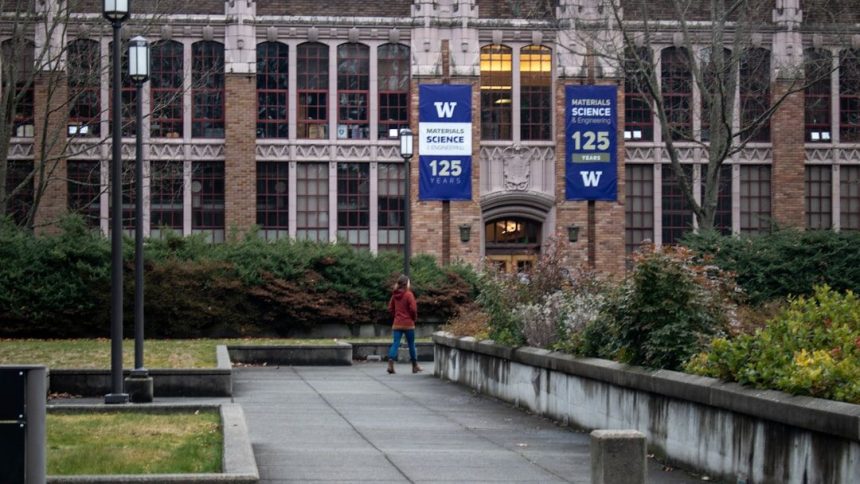


Eliminating Wokeness at Universities a Long-Term Battle – Image for illustrative purposes only (Image credits: Unsplash)
Ballots for leadership positions at the American Sociological Association were distributed last month, drawing attention to the qualities that still carry weight in academic professional groups. Candidates received clear guidance to spotlight their work in diversity, equity, and inclusion as a central part of their platforms. The episode illustrates how certain priorities continue to shape internal decisions even as external pressures mount on higher education institutions.
Why This Election Cycle Stands Out
Professional associations like the American Sociological Association play a quiet but influential role in setting standards for research, hiring, and training across the discipline. Leadership choices made now can affect conference themes, journal directions, and the signals sent to younger scholars entering the field. When ballots emphasize certain credentials, they reflect the internal culture that has developed over decades.
Observers note that sociology has long been associated with examinations of social structures and inequality. The current advice to candidates shows how those traditions intersect with more recent administrative expectations. This combination creates a setting where alignment with diversity initiatives remains a practical advantage during selection processes.
Broader Patterns in Academic Organizations
Similar dynamics appear in other scholarly groups where governance decisions involve member votes. Professional bodies often balance scholarly merit with commitments that address institutional goals around representation and inclusion. The result is a layered environment in which candidates must navigate multiple expectations to advance.
Partner offer

Efforts to adjust these patterns have gained visibility in recent years through public debates and policy proposals at the state and federal levels. Yet change within established organizations tends to move gradually because leadership transitions occur on fixed cycles and draw from existing membership pools. The recent ballots serve as one data point in that slower evolution.
Implications for University Culture
University departments and professional associations do not operate in isolation. Decisions made in one setting can reinforce or challenge trends visible in hiring, curriculum design, and campus programming. When diversity statements or related credentials feature prominently in elections, they contribute to the overall tone that shapes daily academic life.
Reform advocates argue that reducing the emphasis on such credentials could open space for a wider range of viewpoints. At the same time, defenders of current practices maintain that these elements support core disciplinary values. The tension between these positions helps explain why adjustments have proven difficult to achieve quickly.
What matters now: Leadership selections in fields like sociology continue to reward demonstrated engagement with diversity, equity, and inclusion frameworks. This pattern suggests that meaningful shifts in academic culture will require sustained attention across multiple election cycles rather than isolated changes.
Looking Ahead
Future ballots and governance decisions will provide additional indicators of whether priorities are beginning to shift. Members and outside observers alike will watch how candidates frame their records and how voters respond. Over time, these incremental choices can accumulate into more noticeable differences in the direction of the discipline.
The process remains one of steady pressure rather than rapid transformation. Professional associations reflect the communities that sustain them, and altering long-standing expectations takes consistent effort across successive leadership teams.
Partner offer
Planning a trip to Vegas?
Compare hotel rates and show tickets on VEGAS.com.


