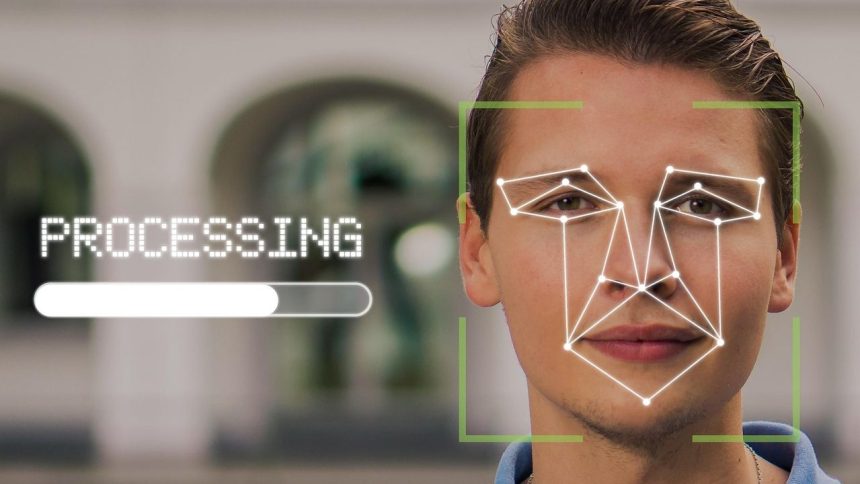
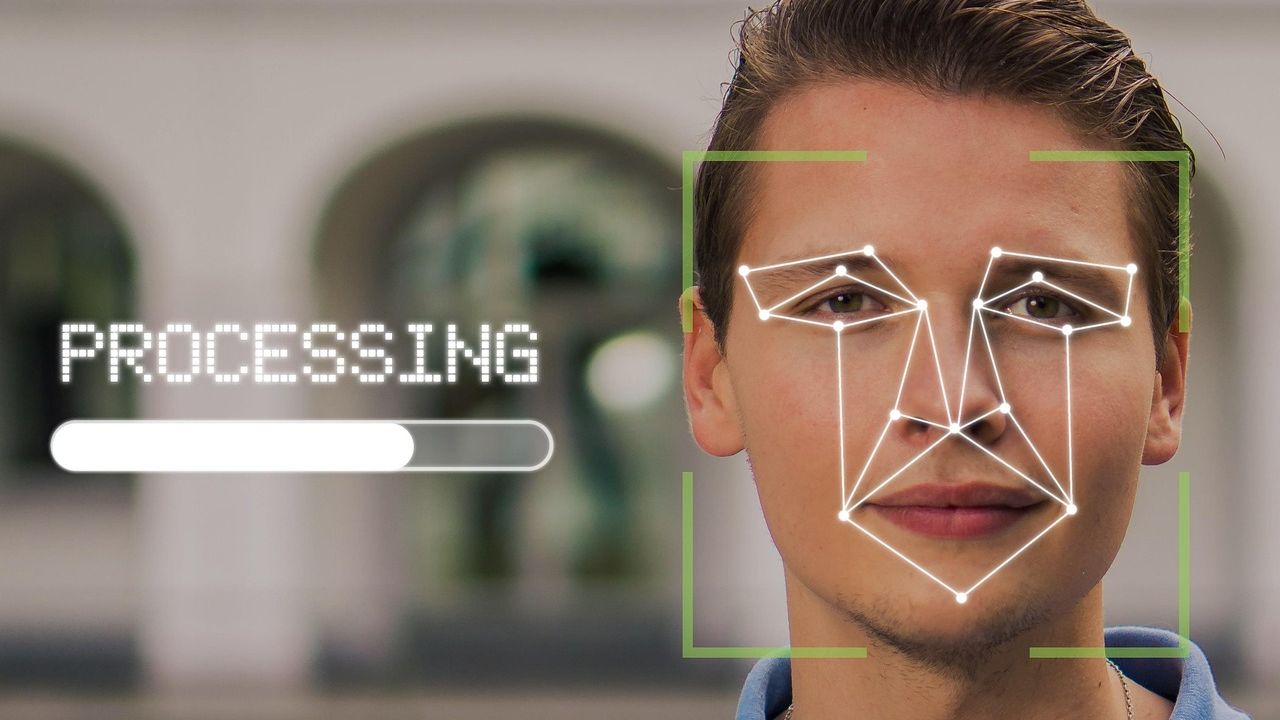

From Tests to Full Deployment (Image Credits: Pixabay)
Anaheim — Facial recognition cameras now greet visitors at select gates to Disneyland Park and Disney California Adventure, converting smiles into numerical codes to confirm tickets and curb fraud.[1][2] The system, which rolled out fully in late April 2026 after earlier tests, promises quicker entries but has drawn scrutiny from privacy watchdogs and some families. Guests often pass through unaware of alternatives, highlighting tensions between convenience and control in public spaces.[3]
From Tests to Full Deployment
Disney began testing facial recognition at Disney California Adventure entrances late last year before expanding it across the Disneyland Resort.[4] By April 21, 2026, signage appeared directing visitors to opt-in lanes equipped with the technology, while traditional paths remained open.[1] The upgrade replaces older turnstiles with ADA-compliant gates that open automatically after verification.
Officials positioned the move as a response to persistent issues like ticket sharing, a problem theme parks have battled for years. Disney’s history with biometrics dates back over two decades to fingerprint scans at Walt Disney World. This latest step builds on tools like MagicBand+, aiming to blend security with seamless fun.[4]
How the System Captures and Matches Faces
The process starts simply at the first ticket use. A camera snaps a photo of the guest’s face, which software transforms into a unique numerical template linked to the pass.[2] On return visits, another scan occurs, generating a fresh numerical value for instant comparison.
- Guest approaches equipped lane and scans ticket.
- Camera captures facial image.
- Biometric algorithm converts image to numerical code.
- System matches code against initial template.
- Gates unlock if verified; data deletes after 30 days unless held for fraud or legal reasons.[1]
Children under 18 require parental consent for the lanes. Even in opt-out areas, photos might still record for general security, though no matching occurs.[2]
Partner offer

Opt-In Convenience Versus Opt-Out Control
| Feature | Opt-In Lanes (Facial Recognition) | Opt-Out Lanes (Manual) |
|---|---|---|
| Verification | Automated face match | Cast member ticket check |
| Speed | Faster for repeats | Slower, marked with slashed icon |
| Biometrics | Numerical template created/deleted in 30 days | No processing, possible photo |
| Availability | Most lanes | Main Esplanade entrances |
Opt-out paths, often just a few amid dozens of high-tech ones, bear clear signage like a slashed head silhouette.[1] Disney emphasizes choice in its privacy guidelines, noting security measures protect data though none prove foolproof.[2]
Visitors Weigh Speed Against Unease
Many families hurried through facial lanes on rollout day, drawn by brevity despite overlooking signs. Robert Howell, visiting from Virginia, captured a common hesitation. “It’s a little scary because it’s not clear how it’s going to be used,” he said. “With TSA I know that’s an option that you can opt out, but I didn’t realize you could here so I just did it.”[3]
Sandra Contreras voiced parental worries during her trip with her 5-year-old. “When it came to me, I just did it,” she explained. “But when they were going to do it for her it freaked me out a little bit, to be honest… I think it’s more concerning for children just to protect their privacy.” Regulars like 73-year-old John LeSchofs shrugged it off. “Pretty much every other place is doing the same thing,” he noted. “I don’t think it’s going to stop.”[1]
Experts Sound Warnings on Surveillance Risks
Privacy scholars see deeper issues. UC Irvine law professor Ari Waldman called it “the normalization of facial surveillance,” arguing it alters daily life fundamentally. “In a world of facial recognition, when people leave their house it automatically means they’re identified,” he stated.[3] Electronic Frontier Foundation’s Adam Schwartz highlighted hacking vulnerabilities: “If you collect this type of data you have put a target on your back for people to steal it.”[1]
Critics also flag potential biases, with errors more common for people of color or certain makeup. The trend extends beyond Disney to venues like Dodger Stadium and Intuit Dome, signaling wider adoption amid calls for regulation.[4]
As lines form under sunny Anaheim skies, Disney’s gates test more than tickets. They probe how far families will trade biometric traces for magic, with opt-outs ensuring no one skips the kingdom entirely. Yet the quiet hum of cameras raises a question: in chasing efficiency, what lines won’t we cross?
Partner offer
Planning a trip to Vegas?
Compare hotel rates and show tickets on VEGAS.com.