


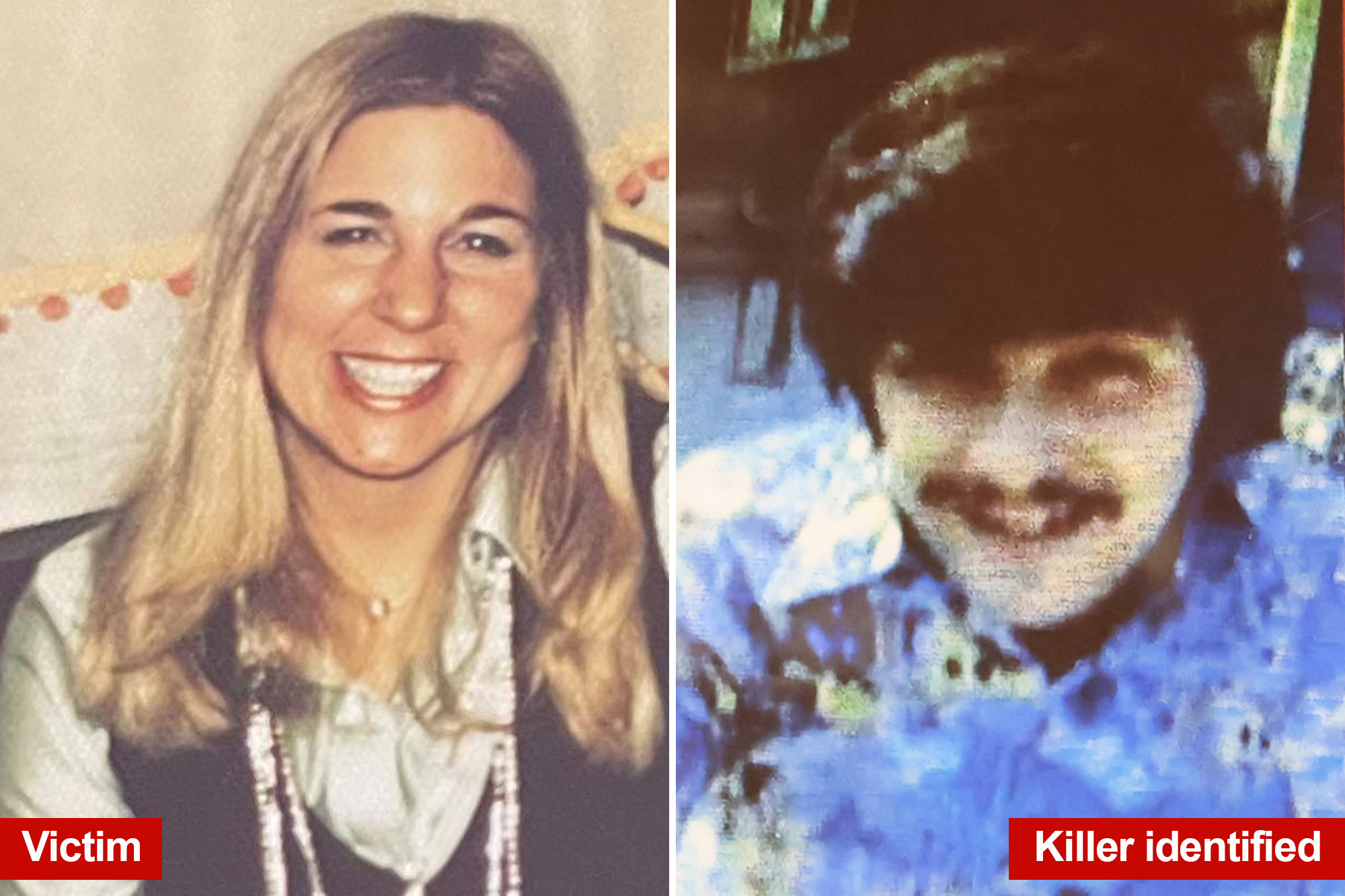

A Child’s Nightmare Unfolds (Image Credits: Nypost.com)
Oceanside, N.Y. – Authorities unveiled the identity of a local sanitation worker as the perpetrator in a savage 1974 home invasion that claimed the life of a 31-year-old mother.[1][2]
A Child’s Nightmare Unfolds
Barbara Waldman, a vibrant stay-at-home mother and New York University graduate, faced an unthinkable horror in her Sally Lane residence one morning in January 1974. Her 5-year-old son Eric returned home from kindergarten and discovered her body in the bedroom: bound with her own stockings, one wrapped around her neck, a pillowcase stuffed in her mouth, and a gunshot wound to her head.[2] He attempted to untie the knots, which only tightened, before fleeing to neighbors who confirmed the grim scene.
The intruder had sexually assaulted her before shooting her execution-style as she lay helpless on the floor. Nassau County investigators mobilized 30 detectives and set up a trailer for tips, but leads like neighbor sightings produced only a composite sketch of a mustached man in a fur-lined parka – no arrests followed.[3][2]
Shadows of Suspicion Over the Family
Gerald Waldman, Barbara’s husband and a local dentist, endured decades of community whispers despite a solid alibi at his office and later DNA exoneration. He never discussed the case openly with his children, simply telling them a “bad man” had taken their mother, then bolstered home security with alarms and dogs.[1] The family fractured amid gossip, even from relatives, and relocated while avoiding reminders of the street.
Sons Eric and Larry, along with daughter Marla, carried the trauma into adulthood. Eric recalled the indelible image: “I’ve had that image of my mom in my head since I’m 5. So it won’t go away until I die.”[3] Marla checked periodically with police, only to hear reopenings required new evidence. Gerald passed away in 2006 or 2007, still unaware of the truth.[4]
Genetic Genealogy Cracks the Case
The breakthrough began in December 2022 when Eric urged police to retest semen from Barbara’s bathrobe after reading about serial killer Richard Cottingham’s DNA matches in similar cases. No link emerged there, but investigators turned to genetic genealogy, uploading the profile to public databases.[2]
By August 2024, a familial match pointed to Thomas Generazio. Detective Gina Salerno informed Marla: “We got a match.” Marla’s independent research uncovered photos matching the 1974 sketch, including Generazio in a green snorkel jacket. Confirmatory DNA sealed it, though Generazio had died of cancer in 2004 at age 57.[2]
The Killer Lived Blocks Away
Generazio, born February 1, 1947, worked as Oceanside’s sanitation collector – possibly hauling the Waldmans’ trash – and resided just blocks from their home. Prior arrests for assault and stolen property hinted at his violent streak, but no clear motive surfaced for the attack.[1] A prison confession from another man and DNA from a 1968 killer both proved false leads.
Nassau County Police Commissioner Patrick Ryder described the assault: “An individual… entered that residence and committed a violent sexual assault against the mother, and then put a bullet in the back of her head, as she laid on the floor tied up with the stockings that she was wearing.”[4] He lamented: “We would have liked to have seen him in jail for that entire time for the brutal murder that he did.”[1]
At a March 11, 2026, news conference, the Waldman siblings embraced closure. Marla declared: “Happily today, 52 years later, I get to say to the world that our father Jerry Waldman is exonerated. He was a victim, not a villain.”[1]
Key Takeaways
- Advanced DNA and genetic genealogy transformed a cold case into swift identification, even posthumously.
- Family persistence – from urging retests to aiding verification – proved pivotal in unearthing the truth.
- Vindication cleared a father’s name after decades of unfounded suspicion in a tight-knit community.
This resolution offers bittersweet justice, affirming that science and determination can conquer time. What do you think about the role of genetic genealogy in cold cases? Tell us in the comments.


