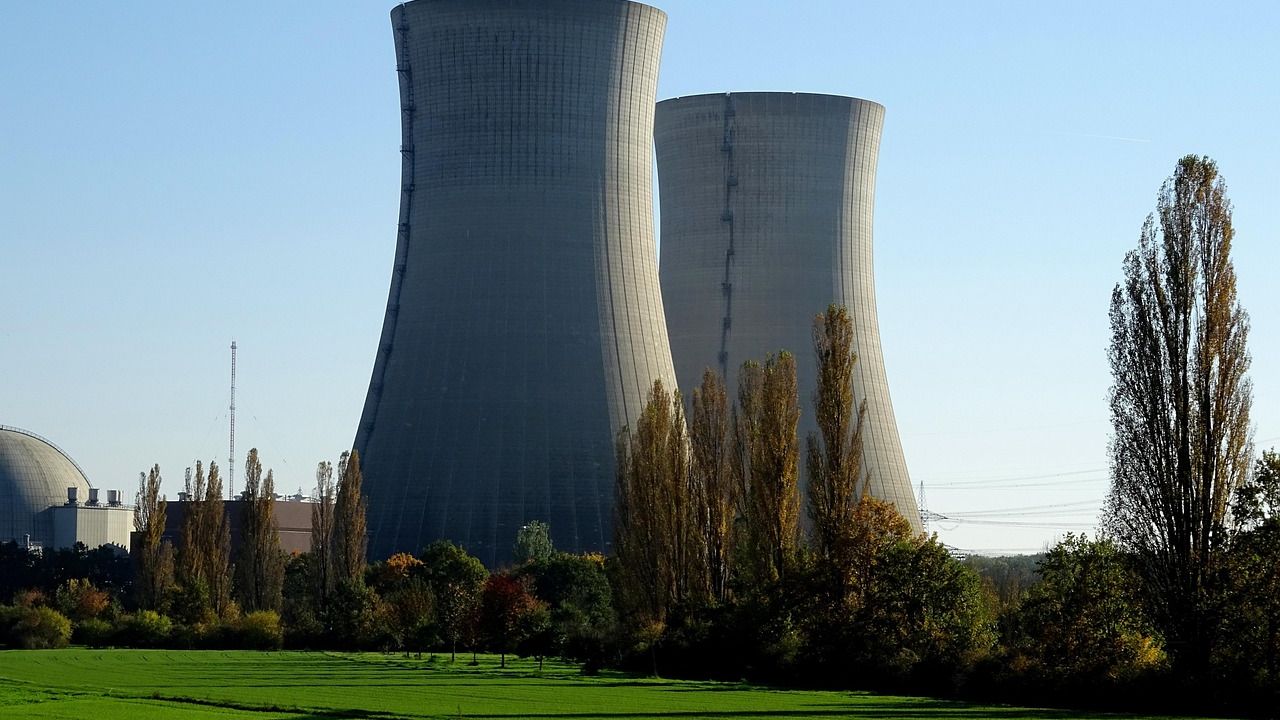

Drone strike sparks fire at UAE nuclear power plant in latest blow to Iran ceasefire – Image for illustrative purposes only (Image credits: Pixabay)
Dubai, United Arab Emirates – A drone struck the perimeter of the United Arab Emirates’ only nuclear power plant on Sunday, setting off a fire that burned along the outer boundary. Emergency teams responded quickly and brought the blaze under control without any reported injuries or signs of radioactive material escaping. The attack arrives at a moment when the fragile ceasefire between Iran and its regional adversaries is already under pressure from multiple fronts.
Details of the Incident
Authorities described the strike as a targeted hit on the facility’s outer security zone rather than its core reactor buildings. The fire remained contained to the perimeter fencing and adjacent equipment, allowing plant operators to maintain normal operations inside the main structures. Local officials emphasized that radiation monitors showed no unusual readings throughout the response.
Investigators have begun examining debris from the drone to determine its origin and flight path. The plant, located in the western region of the country, supplies a significant share of the UAE’s electricity and has operated under strict international oversight since it came online several years ago. No group has yet claimed responsibility for the attack.
Human and Environmental Stakes
Residents in nearby communities expressed relief that the incident produced no casualties, yet many voiced concern about the potential for future strikes to escalate. Families living within a short drive of the facility described a sudden rush of emergency vehicles and the sight of smoke rising against the desert horizon. Local hospitals remained on standby but reported no surge in patients seeking treatment.
Partner offer

Environmental agencies conducted immediate air and soil sampling around the site. Early results indicated that the fire did not affect any cooling systems or fuel storage areas, limiting the scope of possible contamination. Still, the event served as a reminder of how quickly a single aerial attack could threaten critical infrastructure in a densely populated region.
Connection to the Broader Ceasefire
The strike fits into a pattern of low-level incidents that have tested the recent truce between Iran and coalition forces. Diplomats had hoped the agreement would reduce direct confrontations, but both sides continue to accuse each other of proxy actions that keep tensions simmering. Analysts note that attacks on energy facilities carry particular weight because they can disrupt economies far beyond the immediate battlefield.
Regional governments have called for restraint while urging stronger verification measures to prevent similar episodes. The UAE has maintained close coordination with international nuclear watchdogs, which have already scheduled additional inspections in the coming days. Observers say the coming weeks will reveal whether the ceasefire can absorb this latest shock or whether it will unravel further.
What to Watch Next
Security experts recommend monitoring several developments in the days ahead:
- Any official attribution of the drone’s origin by UAE or allied intelligence services.
- Statements from Iranian officials responding to the incident.
- Updates from the International Atomic Energy Agency on the plant’s operational status.
- Possible adjustments to flight restrictions or air-defense postures across the Gulf.
These steps will help clarify whether the attack represents an isolated provocation or the start of a wider campaign that could draw additional countries into the conflict.
Partner offer
Planning a trip to Vegas?
Compare hotel rates and show tickets on VEGAS.com.