


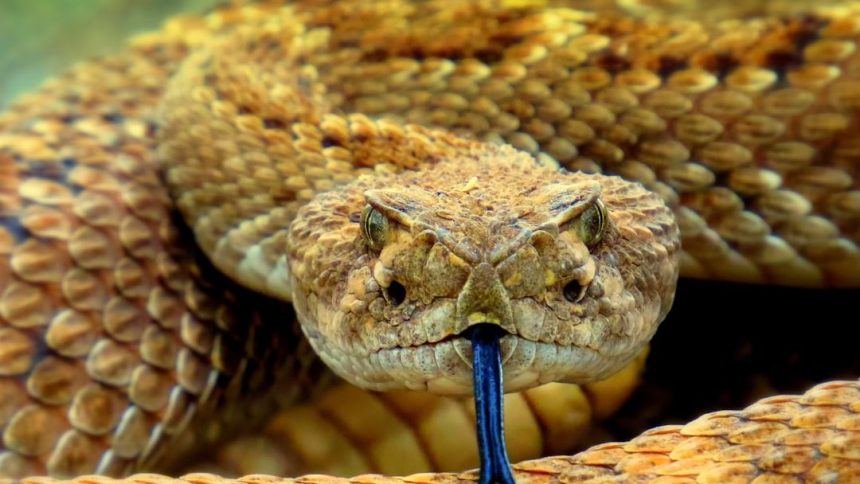
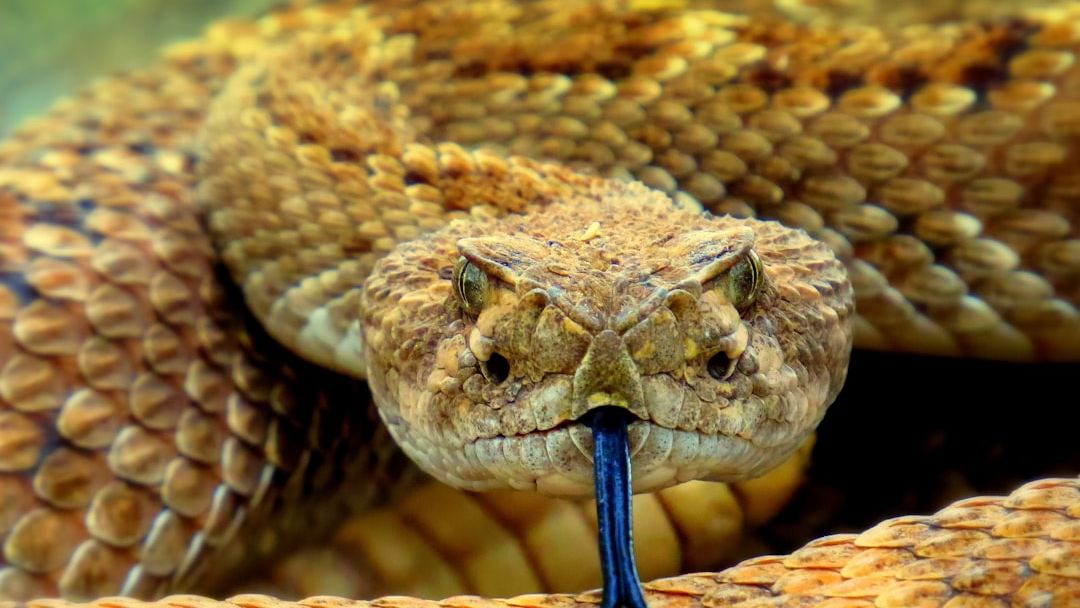

Georgia Snakes Are Changing Their Behavior Because of Climate Change – What That Tells Us About the Broader Ecological Collapse Already Underway. – Image for illustrative purposes only (Image credits: Unsplash)
Georgia – Wildlife biologists tracking eastern diamondback rattlesnakes have recorded the reptiles moving from their traditional dry pine flats into rivers and wetlands. The shift follows months of severe drought and unusually intense wildfires that have stripped moisture from upland habitats across the state. Researchers say the animals are responding to conditions their ancestors rarely faced, seeking water where they once avoided it.
Tracking Reveals Unexpected Movements
Radio collars fitted to the snakes show them traveling along riverbanks and into areas previously considered unsuitable. Senior wildlife biologist Daniel Sollenberger with the Georgia Department of Natural Resources notes that the species can endure short dry spells because larger individuals store water effectively. Yet recent droughts have lasted long enough to push the snakes out of their preferred uplands.
One documented case involved a yellow rat snake traveling along a dried canal bed in the Corkscrew Watershed during April. Similar sightings have multiplied as fire activity increased in south Georgia that same month. The pattern suggests the animals are relocating rather than adapting in place.
Wildfires and Drought Intensify Pressure
Lightning-started fires once moved slowly through longleaf pine forests, clearing undergrowth without destroying the canopy. Current conditions produce hotter, faster-moving blazes that consume more fuel and leave soil drier for longer periods. Sollenberger points out that decades of fuel buildup combined with extended dry spells have turned a natural process into something the landscape struggles to absorb.
Georgia supports 47 native snake species, seven of them venomous. The eastern diamondback stands out because its retreat from uplands forces it into direct competition with wetland species such as fish, frogs, and nesting birds. Smaller predators already established in those areas now face new pressure from a large, stressed rattlesnake.
Rising Encounters With Residents
Suburban growth continues to shrink the boundary between pine forests and developed land. As snakes move toward remaining wet areas, they more often cross paths with people. State biologists report that most bites occur when someone attempts to kill or handle the animal; otherwise the snakes simply try to escape.
Officials continue to distribute the Venomous Snakes of Georgia brochure to help residents identify species and respond safely. The guidance emphasizes that encounters are increasing because of habitat pressure, not because snake populations have suddenly grown.
Signs of Larger Ecological Rearrangement
Ecologists describe these changes as quiet rearrangements rather than sudden collapse. Species shift ranges, predators appear in new locations, and historic fire cycles break down without dramatic headlines. When a rattlesnake chooses a river over a pine flat, the system no longer functions as it once did.
The eastern indigo snake remains the only federally protected species in the state, yet the broader pattern affects many others. Continued monitoring will show whether these movements become permanent or whether returning rains allow the snakes to reclaim their original habitats. For now, the data point to ongoing stress on Georgia’s reptile communities.


