
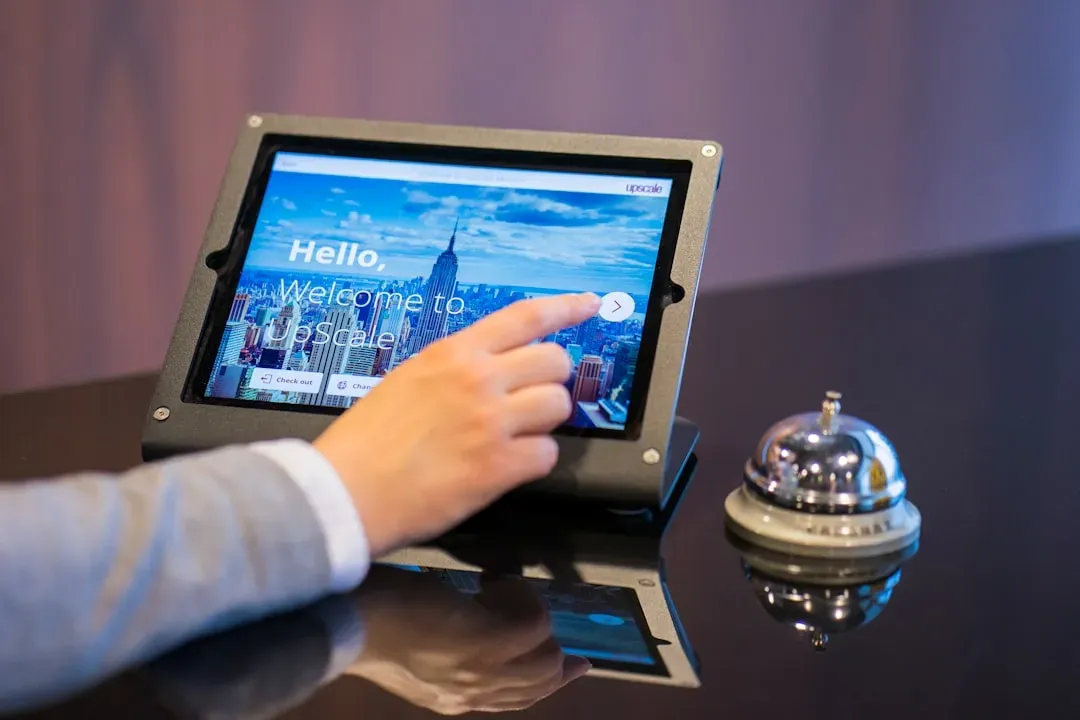
You’ve just landed after a red-eye flight. You’re exhausted, you haven’t slept properly in hours, and all you want is to get into your room, shower, and collapse onto a bed that isn’t a reclined airplane seat. You walk up to the hotel front desk at 11 AM, and then it happens – the clerk tells you there’s a fee to check in now. A fee. For a room that’s sitting right there, already clean, already made.
It sounds absurd. Yet for millions of travelers, this is becoming a very familiar story. The hotel industry has quietly turned early check-in into one of its most lucrative side businesses, and most guests don’t even realize they have options. Let’s dig into what’s actually going on, and – more importantly – exactly how you can beat the system.
The Early Check-in Fee Explosion Is Real and It’s Getting Worse
Here’s a number that should make you pause: the average early check-in fee has increased by about 18% since 2022, and now commonly sits around $45 per hour before the standard check-in time. That’s not a small surcharge. That’s approaching the cost of a decent restaurant dinner, just for the privilege of getting into a room a few hours early.
A 2024 study of 1,000 hotels worldwide found that nearly three-quarters now offer early check-in for a fee, compared to just 35% in 2020 – a near-doubling in just four years. Think of it like a tidal wave that crept in quietly while we were all too busy staring at our boarding passes to notice.
The rise of early check-in fees has become a contentious issue in the hospitality world, with hotels arguing these fees help manage room turnover and generate additional revenue, while many travelers view them as an unnecessary burden on already stretched travel budgets. Honestly? Both sides have a point. But travelers are the ones footing the bill.
Why Hotels Set Check-in Times So Late in the First Place

Hotels generally state their check-in time on their website, with arrival windows often landing between 3 and 4 PM. That’s a long time to wait if your flight lands at 9 AM. The official reason hotels give is that rooms need time to be cleaned and prepared after the previous night’s guests check out. There’s truth to that – housekeeping teams work hard and fast, and they need time.
Here’s the thing though: a 4 PM standard check-in time, which some hotels are now pushing, is widely considered very late and may be deliberately set to charge “early” check-in fees more broadly. Think about that for a second. If standard check-in is 4 PM, then arriving at 2 PM suddenly becomes “early.” It’s a clever but frustrating piece of framing.
Pricing mechanisms used by hotel companies have become increasingly sophisticated, with hotels now dynamically adjusting not just room rates but also ancillary fees based on factors including demand, occupancy, and booking trends. In plain English: if they can charge more for your early arrival on a busy weekend, they will.
The Psychology Behind Why You’re Likely to Just Pay It

Let’s be real for a moment. You’ve just traveled for hours. You’re tired, possibly jet-lagged, maybe traveling with kids or colleagues. The front desk says “it’s $50 to check in now.” Are you really going to debate it? For most people, the answer is no – and hotel chains know this perfectly well.
Behavioral economics research from 2023 to 2025 consistently shows that framing fees as “optional upgrades” makes consumers significantly more likely to accept them, even when alternatives exist. It’s the same reason airlines upsell seat selection right before you confirm your ticket – you’re already committed, emotionally invested, and ready to just get on with it.
Rigid check-in and check-out policies can result in significant financial penalties for travelers, and a 2023 survey found that more than two-thirds of business travelers reported facing higher costs specifically due to the inflexibility of hotel check-in policies. Business travelers are particularly vulnerable since their schedules are often fixed by meetings, not by hotel clocks.
Junk Fees Under the Microscope: Regulators Are Finally Taking Notice
On December 17, 2024, the Federal Trade Commission released its final Trade Regulation Rule on Unfair or Deceptive Fees, also called the “Junk Fees Rule.” This is actually a big deal, even if it didn’t make many front pages. The FTC specifically called out hotel fees as a central concern in their regulation.
The final rule implements new disclosure requirements for mandatory fees – such as “resort” or “cleaning” fees often added to the advertised price of hotels – and the FTC characterizes the practice of adding such fees to a more prominently advertised base price as a bait-and-switch tactic that obscures the true total cost. Early check-in fees, while technically “optional,” live in this same murky gray zone of unexpected costs.
The hotel and resort industry faces widespread criticism for the variety of junk fees it imposes on consumers, costing Americans an estimated $3.4 billion a year. When you frame it that way, a $50 early check-in charge isn’t just an annoyance – it’s part of a multibillion-dollar industry strategy. California’s “Hidden Fees” law took effect in July 2024, and a similar Minnesota pricing transparency law that applies to most goods and services sold in the state takes effect in January 2025.
Your Loyalty Status Is Your Best Weapon – Use It
Some loyalty programs explicitly list early check-in as a benefit, and in addition to hotel loyalty programs, several major credit cards offer early check-in as a benefit – perks that can be a game-changer and offer big savings as more hotels move to charge for this service. If you aren’t enrolled in any loyalty program yet, this is the single biggest reason to start.
IHG One Rewards makes early check-in an explicit benefit for Platinum Elite and Diamond Elite guests, subject to availability. Marriott Bonvoy Ambassador Elite members can take advantage of the “Your24” benefit, which allows them to pick their check-in and checkout time. These aren’t marketing gimmicks – they’re real protections against unnecessary fees.
Elite status members often receive priority for available rooms, and you may also get complimentary upgrades or late checkout. Even mid-tier status in a program can be enough to nudge a front desk agent toward letting you in at noon without a charge. I think the underrated move here is simply to consolidate your stays at one brand and climb that status ladder faster than you’d expect.
The Art of Asking Nicely (It Actually Works)
This sounds almost embarrassingly simple, but it is genuinely one of the most effective tools you have. To increase your chances of getting an early check-in, communicate with the hotel ahead of time, be polite in your request, and consider using any loyalty program benefits you might have. Front desk agents have discretion. They are human beings, not fee-collection machines.
Travel veterans know this trick well. When you arrive, mention a specific reason – an important meeting, a red-eye flight, a medical appointment. If getting into your room early is critical, be sure to request it in advance, and some hotel booking platforms, like Marriott, let you request early check-in explicitly when booking online or input it as a special request. Planting the seed at booking time dramatically improves your odds.
A few days before your arrival, call or email the hotel again to confirm your early check-in request – it shows you are serious and gives the hotel a reminder to prepare for your arrival. Think of it like planting a garden. You need to water it more than once to see results.
Book the Night Before: The Nuclear Option
It’s not always practical, but it’s the only truly foolproof guarantee of getting into your room before noon. If you book the previous night – even if you arrive late or not at all – that room is yours from the moment you walk in. For business travelers with important early morning commitments, this is often worth every cent.
Make sure that the fees charged for early check-in don’t surpass what an additional night would cost – if they do, it may simply be a better idea to book an additional night. This is math that travelers rarely do in the moment, especially when standing exhausted at a hotel counter. Do it in advance instead.
For short stays, the calculus is even clearer. If your stay is just one or two nights, a $70 early check-in fee is practically half a night’s rate at many mid-range properties. Booking the previous evening can actually be the cheaper and more comfortable option. It’s hard to say for sure without knowing your specific hotel rate, but it’s absolutely worth checking.
Day-Use Rates and Alternative Platforms Are a Hidden Gem
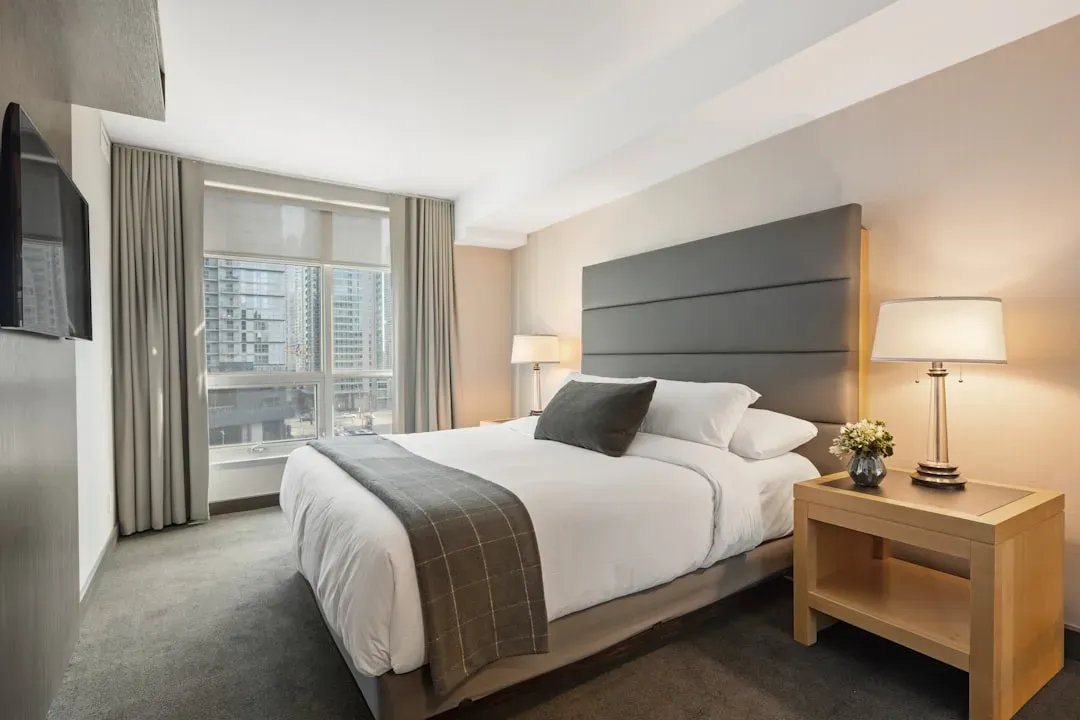
Certain hotels, often airport hotels, are more flexible with check-in times. Some may not have a check-in time at all or operate on a 24-hour basis, and some offer day-use rates. Websites like DayUse.com can help you find hotel options that offer more flexibility when it comes to check-in time. This is a genuinely underused solution that most travelers have never heard of.
Day-use rates let you book a hotel room for a block of hours rather than a full night. It’s like renting a car by the hour instead of the day. You get access to the room, the bathroom, the minibar, and the Wi-Fi – everything you need to freshen up and regroup – without committing to an overnight stay or paying a surprise early check-in fee.
A substantial portion – roughly 70% – of regular travelers have expressed a strong desire for hotels to incorporate all charges into the upfront price, reflecting a broader consumer demand for openness and clarity in how hotel fees are presented. Until the industry fully catches up to that demand, day-use platforms are one of the smartest workarounds available to savvy travelers.