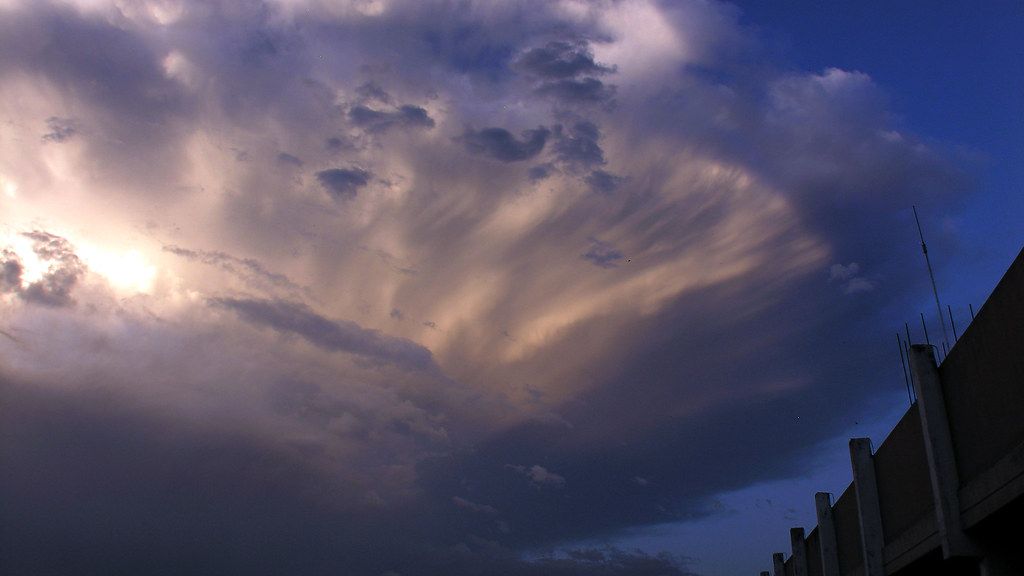
Weather warnings for Eastern Cape, South Africa – Image for illustrative purposes only (Image credits: Flickr)
Eastern Cape, South Africa – Families across the Eastern Cape hunkered down on Monday as the South African Weather Service ramped up alerts for a potent cut-off low poised to unleash heavy rain, thunderstorms, and snow starting the next day. Communities from coastal cities like East London and Gqeberha to inland highlands faced potential road closures, flooded settlements, and power disruptions that could isolate neighborhoods and endanger lives.[1][2] Officials urged caution amid forecasts predicting up to difficult driving conditions and livestock losses through the weekend.
Communities on Edge Amid Rising Flood Risks
Low-lying areas bore the brunt of early concerns, with advisories flagging dozens of municipalities for disruptive rain. Places such as Buffalo City near East London, Nelson Mandela Bay around Gqeberha, and King Sabata Dalindyebo in Mthatha stood vulnerable to inundated roads and bridges. Fast-flowing waters threatened formal and informal settlements alike, raising fears of displacement and damage to homes and infrastructure.
Travelers encountered warnings of slippery surfaces and reduced visibility, turning routine commutes into hazards. In rural spots like Mbhashe and Mnquma, isolated communities risked being cut off entirely, complicating access to essential services. The service highlighted dangers on land and sea, where rough conditions compounded the threats.[1]
Severe Thunderstorms Target Eastern and Coastal Zones
A yellow level 2 warning for severe thunderstorms covered swaths of the province, including interior and eastern coastal stretches. Expecting heavy downpours, these storms promised localized flooding of susceptible roads, low-lying zones, and bridges. Damage to vehicles, property, and open settlements emerged as key worries, alongside disruptions to power lines and communications.[2]
Areas like Amahlathi near Stutterheim, Ndlambe at Port Alfred, and Enoch Mgijima around Queenstown fell under this alert. Failing trees risked blocking minor roads, while strong winds battered exposed structures. The impacts echoed broader patterns from the cut-off low, which already stirred unrest in neighboring regions.[1]
Partner offer
Snow Disrupts Highland Travel and Livelihoods
High-lying northern and central parts prepared for an unusual twist: disruptive snow on Wednesday and Thursday. Yellow level 2 alerts pinpointed losses to livestock and crop damage, alongside traffic snarls from icy passes. Municipalities such as Walter Sisulu near Burgersdorp, Elundini at Maclear, and Senqu in Barkly East anticipated closures on non-major routes.
- Enoch Mgijima – Molteno and Tarkastad: Hazardous driving and service interruptions.
- Inxuba Yethemba – Cradock: Potential for stranded motorists and economic hits to farming.
- Senqu – Barkly East: Short-term blockages amplifying isolation risks.
These conditions, valid through May 7, underscored the system’s intensity, blending winter chill with summer deluge.[2][1]
Broader Rainfall Warnings Span Province
Yellow level 2 notices for disruptive rain extended to western interiors and coasts, forecasting tough dirt-road travel from May 6 onward. Central Western Cape interiors overlapped slightly, but Eastern Cape spots like Kouga and Sundays River Valley braced for pooling water and accidents. Validity stretched into Thursday, aligning with peak system activity.
Extended advisories hit places from Nyandeni to Port St Johns, emphasizing infrastructure strain. Mudslides and erosion loomed in hilly terrains, while coastal surges menaced harbors. The South African Weather Service tracked over 30 affected locales, prioritizing public safety.[2]
Navigating the Storm: What Lies Ahead
As the cut-off low deepened, forecasters eyed prolonged effects into the weekend, with some rain persisting beyond initial warnings. Eastern Cape officials coordinated responses, drawing on past events to mitigate losses. Residents monitored updates closely, heeding calls to avoid flooded paths and secure property.
Though no loss of life had occurred by Monday evening, the blend of rain, storms, and snow tested the province’s resilience. Recovery efforts would follow, but proactive steps now promised fewer hardships for those in harm’s way. The weather service continued issuing real-time advisories via its portal, keeping communities informed amid the unfolding challenge.[1]
Partner offer
Planning a trip to Vegas?
Compare hotel rates and show tickets on VEGAS.com.