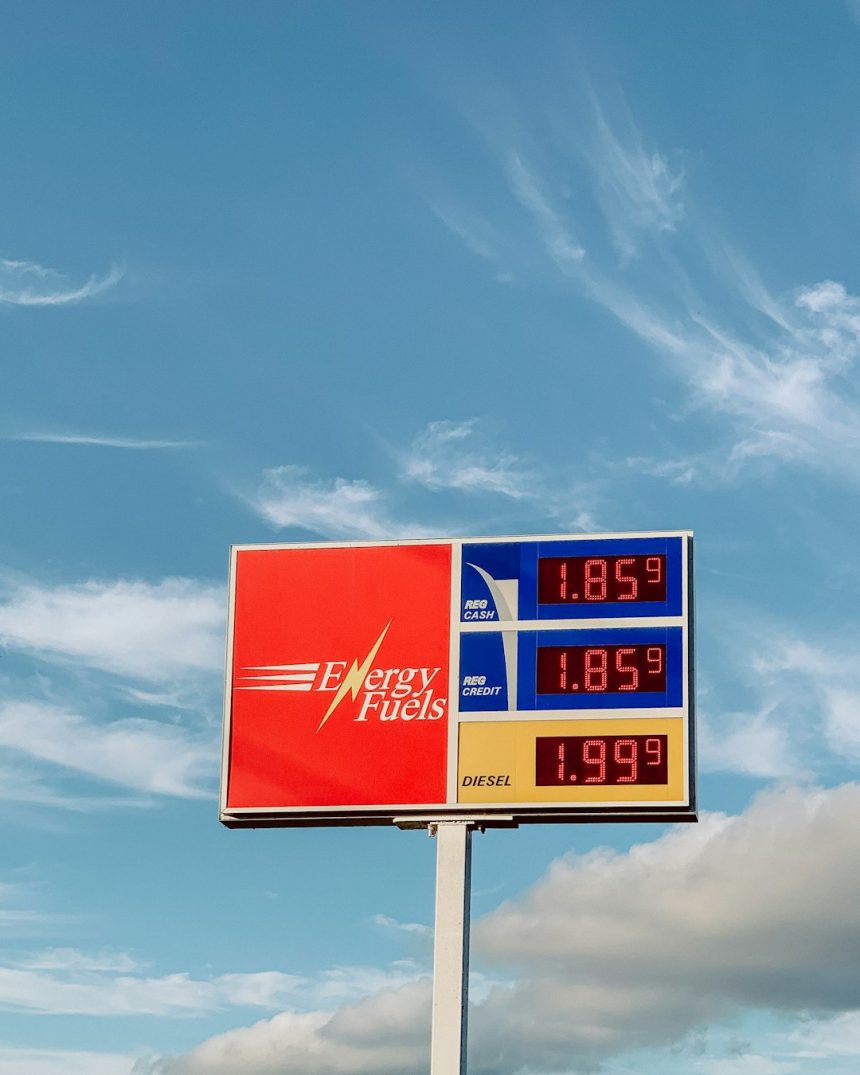


A Bold Visual Critique Emerges (Image Credits: Unsplash)
Las Vegas — Drivers in the valley watched gas prices jump 12 cents per gallon in a single day earlier this month amid escalating tensions from the Iran war. National averages reached $3.63 per gallon by mid-March, fueling widespread frustration at pumps across the country.[1][2] Editorial cartoonists responded with a barrage of illustrations calling out perceived hypocrisy from the political left on energy costs. These sharp commentaries, featured in publications like the Las Vegas Review-Journal, underscore partisan shifts in rhetoric as prices climb.[3]
A Bold Visual Critique Emerges
One striking example came from Margolis & Cox at PoliticalCartoons.com, where a recent piece titled “Democrat Clowns on Gas Prices” portrayed Democratic figures in a mocking light amid the price surge.[4] Cartoonists framed the left’s current complaints as inconsistent with prior support for policies that curtailed domestic production. This theme dominated collections published just days ago.
Tom Stiglich of Creators Syndicate contributed to the chorus, joining others in outlets tracking the national conversation. Dick Wright and Jonathan Brown from PoliticalCartoons.com also lent their pens to the effort. Their work appeared alongside pieces by Harley Schwadron of CagleCartoons.com, Jeff Koterba, Dave Whamond, and Graeme MacKay of The Hamilton Spectator.[3]
Local Impact Hits Home in Nevada
Analysts warned that Las Vegas could see averages top $5 per gallon if the Iran conflict persists. Such projections amplified the cartoons’ bite, as Southern Nevadans grappled with real wallet strain. Regional coverage tied the visuals to immediate economic pressures.
Previously, in 2022, similar spikes prompted different partisan narratives. Cartoonists then targeted federal policies under President Biden. The pendulum swing now drew fire toward those who once downplayed fossil fuel constraints.
Partner offer

- Prices rose over 20% in early March nationally.
- Valley stations reported daily fluctuations tied to global oil shocks.
- Conflict in Iran disrupted supplies, echoing past geopolitical triggers.
- Consumer surveys noted heightened anxiety over fuel budgets.
- Political discourse intensified around energy independence.
Patterns in Political Satire
Editorial art has long served as a mirror to policy debates. Collections like the Review-Journal’s roundup captured a unified message: selective outrage erodes credibility. Artists employed exaggeration to spotlight contradictions between past advocacy for green transitions and present dismay at pumps.
Dave Whamond’s “Iran War Spikes Oil Prices” highlighted external factors but fit broader hypocrisy narratives.[5] Earlier works, such as Michael Ramirez’s takes on California prices, set precedents for critiquing regulatory burdens. The current wave built on that tradition amid fresh crises.
| Artist/Syndicate | Focus |
|---|---|
| Margolis & Cox / PoliticalCartoons.com | Democrats as clowns |
| Tom Stiglich / Creators Syndicate | Partisan flip-flops |
| Dave Whamond / CagleCartoons.com | War-driven spikes |
Energy Policy Under Scrutiny
Debates extended beyond visuals to questions of long-term strategy. Past administrations faced blame for prices, yet current events revived calls for drilling expansions. Cartoonists amplified voices urging balance between renewables and reliability.
Outlets nationwide syndicated similar content, from the Dallas News to the Baltimore Sun. This convergence reflected public sentiment as families adjusted budgets. The satire prompted reflection on how rhetoric adapts to power shifts.
Key Takeaways:
- Editorial cartoons thrive on timely hypocrisy, gaining traction during crises.
- Geopolitical events like the Iran war directly impact U.S. pump prices.
- Partisan narratives evolve, but voter frustration remains constant.
These illustrations remind observers that political memory runs short when costs rise. As Las Vegas drivers fill up, the cartoons urge accountability across the aisle. What do you think about the left’s stance on gas prices now? Tell us in the comments.
Partner offer
Planning a trip to Vegas?
Compare hotel rates and show tickets on VEGAS.com.