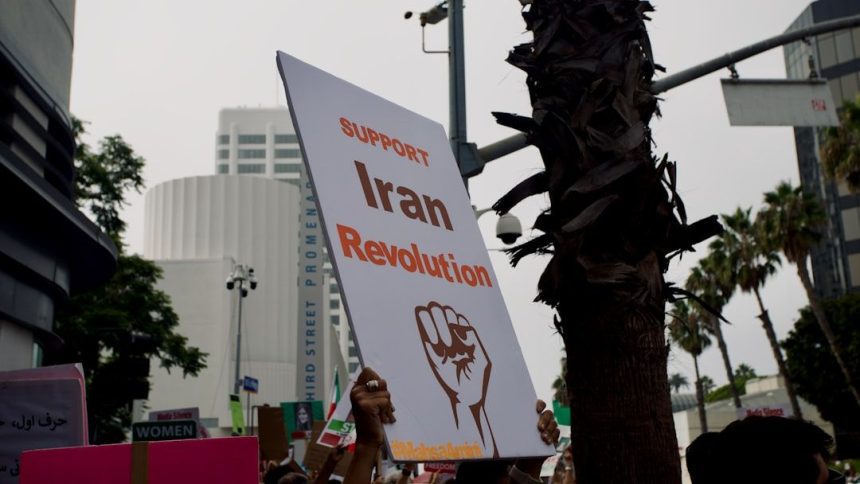

CARTOONS: What Iran fears most – Image for illustrative purposes only (Image credits: Unsplash)
Editorial cartoonists continue to use sharp imagery and pointed humor to dissect international affairs. A fresh selection of works drawn from artists across the United States and other countries now centers on one recurring question: what Iran fears most amid ongoing regional tensions. These drawings offer readers a compact way to consider complicated diplomatic realities without lengthy explanations.
Why Visual Commentary Still Resonates
Cartoonists distill dense geopolitical developments into single frames that readers can absorb quickly. The format forces clarity because every line and symbol must carry weight. In the case of Iran, artists often portray isolation, economic pressure, and shifting alliances as the dominant worries. Such images reach audiences who might skip traditional news reports yet still absorb the underlying message through satire.
The tradition of editorial cartooning has adapted to digital distribution, allowing pieces created in one country to appear instantly on screens elsewhere. This speed keeps the conversation current even when events move rapidly. Viewers encounter the same themes rendered through different cultural lenses, which broadens understanding beyond any single national viewpoint.
Perspectives From American and International Artists
Cartoonists based in the United States frequently highlight domestic policy debates that intersect with Iran. Their counterparts abroad tend to emphasize broader questions of sovereignty and external interference. When placed side by side, the drawings reveal both shared concerns and distinct emphases that reflect each artist’s vantage point.
Partner offer

Many of the works avoid direct portraits of leaders and instead focus on abstract symbols such as locked doors, shrinking maps, or shadowed figures. This approach keeps the commentary accessible while still conveying serious implications. Readers can interpret the images on multiple levels depending on their own knowledge of current events.
How These Collections Shape Public Discussion
Publications that gather cartoons from multiple sources create a ready-made overview of global opinion. Readers gain exposure to viewpoints they might not encounter in their regular news diet. The visual format also lowers barriers for people who prefer images over paragraphs of analysis.
Editors who curate such selections typically aim for balance rather than uniformity. The result is a mosaic that shows how different societies perceive the same set of challenges. In this instance, the common thread remains Iran’s perceived vulnerabilities in a volatile region.
The cartoons remind audiences that complex foreign-policy questions can be examined through accessible art as well as formal reporting.
Collections like this one keep the topic alive in the public square long after daily headlines fade. They invite repeated viewing and fresh interpretation as circumstances evolve. In that sense, the drawings serve both as commentary and as a lasting record of how the world viewed Iran’s position at a particular moment.
Partner offer
Planning a trip to Vegas?
Compare hotel rates and show tickets on VEGAS.com.