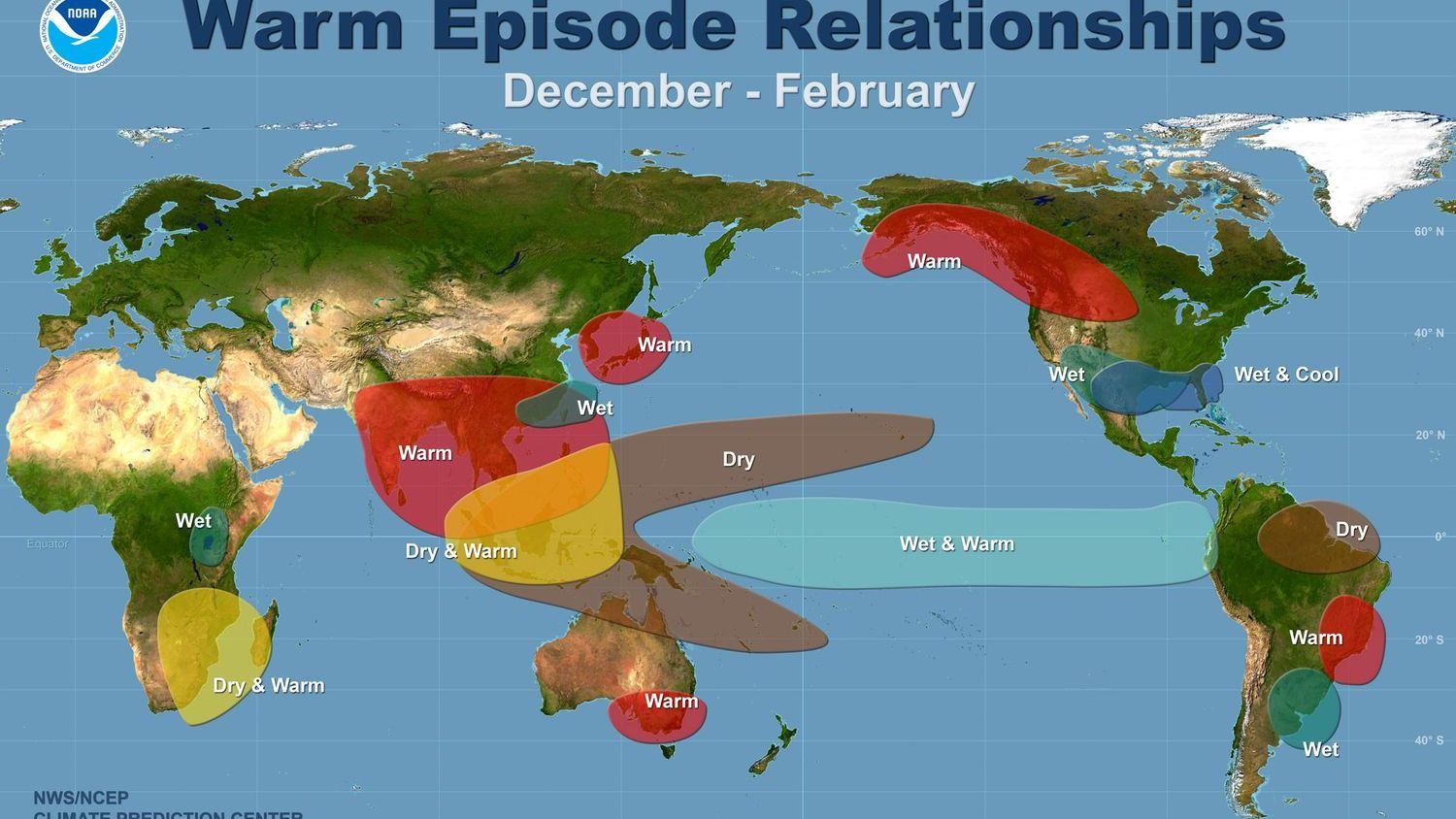
Atmospheric Code Red: 2026 Super El Niño Now Trending Toward Record-Breaking Intensity – Image for illustrative purposes only (Image credits: upload.wikimedia.org)
Oceanic measurements have detected a clear strengthening of the 2026 El Niño event beneath the surface. The latest readings show warmer water anomalies expanding at depth, setting the stage for a major atmospheric shift. Forecasters now view this development as a signal that the current episode could reach exceptional strength before the year ends.
Subsurface Warming Accelerates
Recent buoy and satellite observations confirm that heat content in the equatorial Pacific has risen sharply in recent weeks. This subsurface buildup often precedes surface warming and fuels further intensification. Experts tracking the event note that the pattern mirrors early stages of past strong El Niño episodes.
The change occurs as trade winds weaken across the central Pacific. Reduced wind stress allows deeper warm water to rise and spread eastward. Such conditions typically sustain the event through the Northern Hemisphere summer and into fall.
Partner offer
Global Weather Patterns at Risk
A stronger-than-average El Niño tends to reshape rainfall and temperature distributions worldwide. Drought risks increase across parts of Australia and Southeast Asia, while wetter conditions often develop in the southern United States and Peru. Atlantic hurricane activity usually declines under these circumstances.
Climate models now incorporate the new subsurface data and project elevated chances for record-level impacts. The combination of ocean heat and atmospheric feedback could push the event into the top tier of historical episodes. Monitoring agencies continue to update outlooks as additional measurements arrive.
Key Developments to Watch
- Continued rise in equatorial heat content over the next month
- Further weakening of Pacific trade winds
- Expansion of surface warm anomalies toward the South American coast
- Updated seasonal forecasts from major climate centers
These indicators will determine whether the event maintains its current trajectory or accelerates even more rapidly. Regular updates from ocean monitoring networks remain essential for refining expectations.
Communities that rely on seasonal outlooks should prepare for the possibility of unusual weather extremes later this year. The confirmed subsurface intensification adds weight to those preparations without guaranteeing any single outcome.
Partner offer
Planning a trip to Vegas?
Compare hotel rates and show tickets on VEGAS.com.