Some lines get repeated so often that nobody checks them against the page. They pass from teacher to student, from film to dinner table, and they slowly shift along the way. A word swaps out, a speaker changes, a meaning flips.
The eight lines below are among the most familiar examples. Each one has a traceable source, and each one has been bent out of shape in a particular way.
Elementary, My Dear Watson

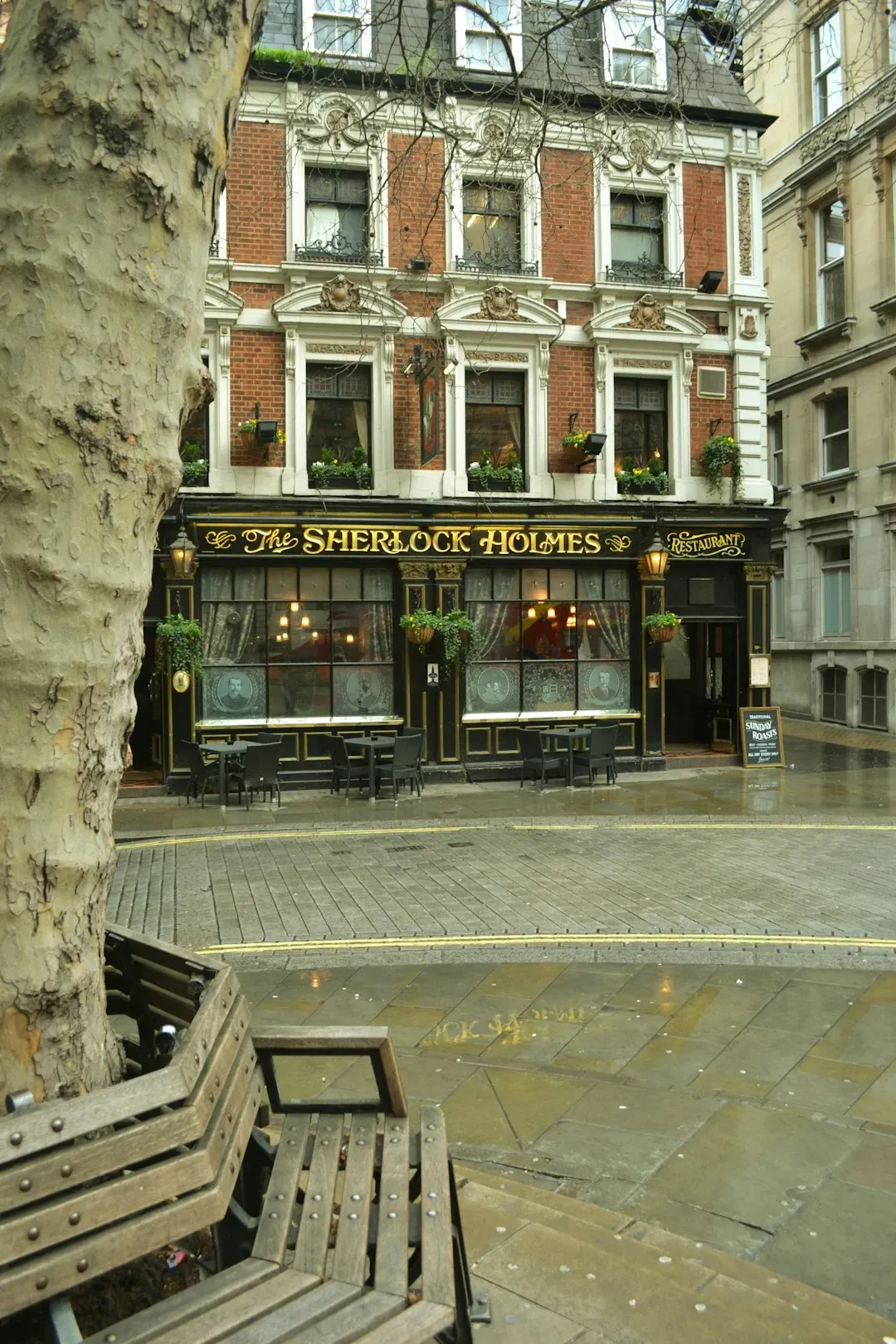
Sherlock Holmes fans know this one is a trap. Arthur Conan Doyle’s stories never contain the full sentence. Holmes does say the single word “Elementary” in “The Crooked Man,” published in the early 1890s.
The complete phrase turns up later in P. G. Wodehouse’s novel Psmith, Journalist, from 1915. It then spread through stage and screen adaptations, including the 1939 Holmes film starring Basil Rathbone. So the line belongs to the Holmes legend, though not to Doyle’s own pages.
Money Is the Root of All Evil


The saying usually gets credited to the Bible, and it’s close, but not quite right. The verse in question is 1 Timothy 6:10. It says the love of money is a root of all kinds of evil.
That small shift matters. The original blames an attitude toward wealth, not wealth itself. The popular version also turns “a root” into “the root,” which makes the claim far more absolute than the text.
Spare the Rod and Spoil the Child

Many people assume this comes straight out of Scripture. The wording actually comes from Samuel Butler’s satirical poem Hudibras, from the 1660s. It’s a rhymed version of an older idea.
Proverbs does contain related thoughts, such as 13:24, but the phrasing differs. The catchy rhyme is Butler’s, which probably explains why it stuck so well.
All That Glitters Is Gold


The common version is “All that glitters is not gold.” Shakespeare’s The Merchant of Venice has a different word, “glisters,” in the scroll found in a golden casket. The sense is the same, but the old verb has faded from everyday use.
Shakespeare didn’t invent the idea either. Versions of it appear in medieval writing, and he gave it a form that lasted. Modern speakers simply updated the verb without noticing.
Partner offer

Let Them Eat Cake

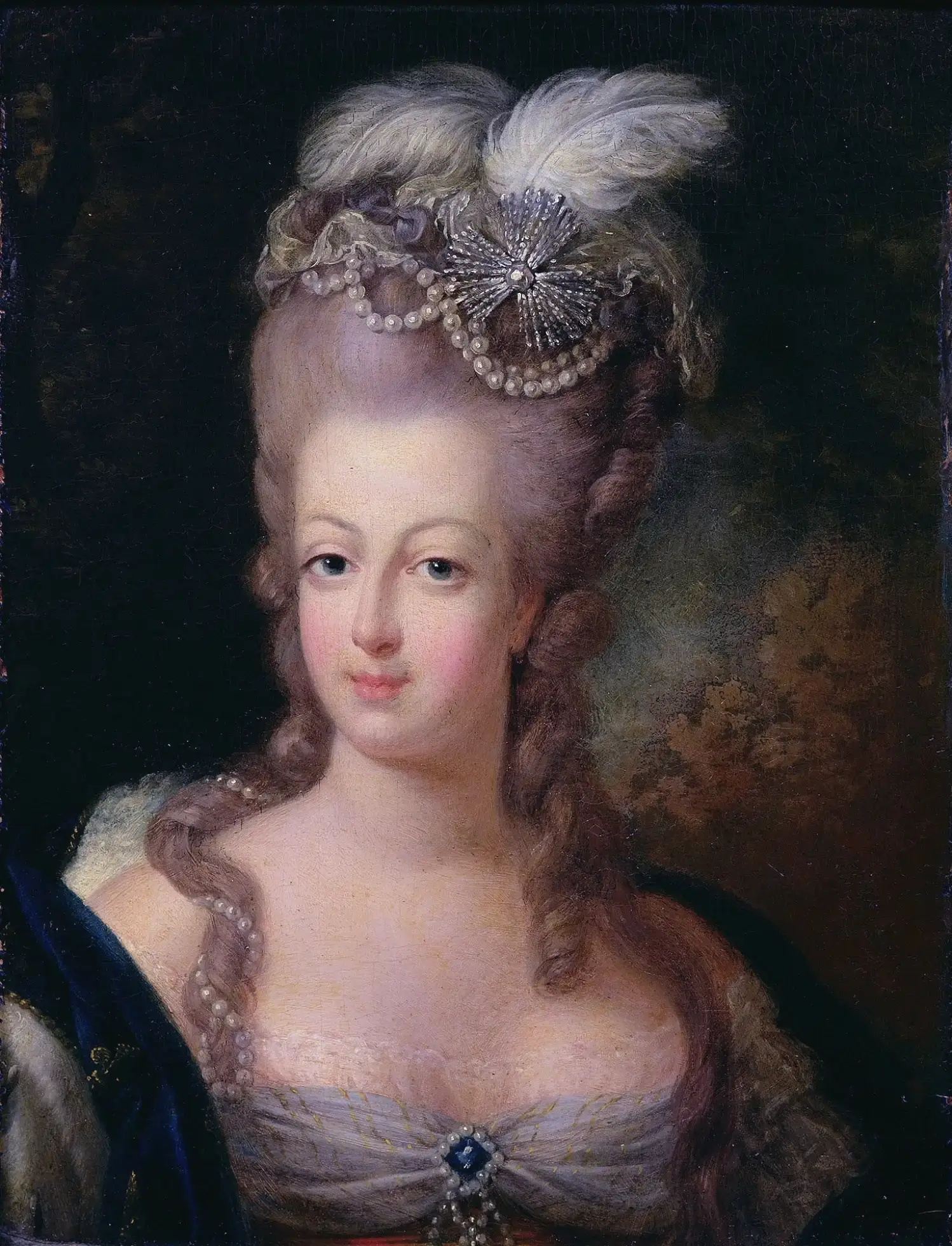
This line is almost always pinned on Marie Antoinette. There’s no solid evidence she said it. A similar remark appears in Jean-Jacques Rousseau’s Confessions, written around the mid 1760s, where he attributes it to an unnamed great princess.
Marie Antoinette was a child in another country when Rousseau wrote that passage. Historians generally treat the attribution to her as a later invention. It survived because it fit the image of a remote, careless queen.
A Little Learning Is a Dangerous Thing
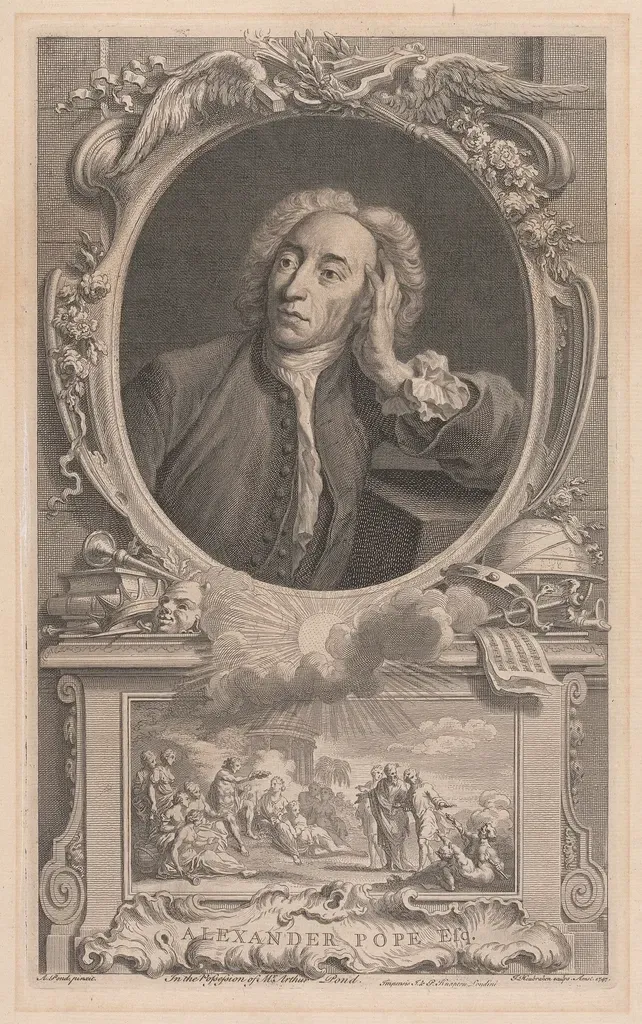
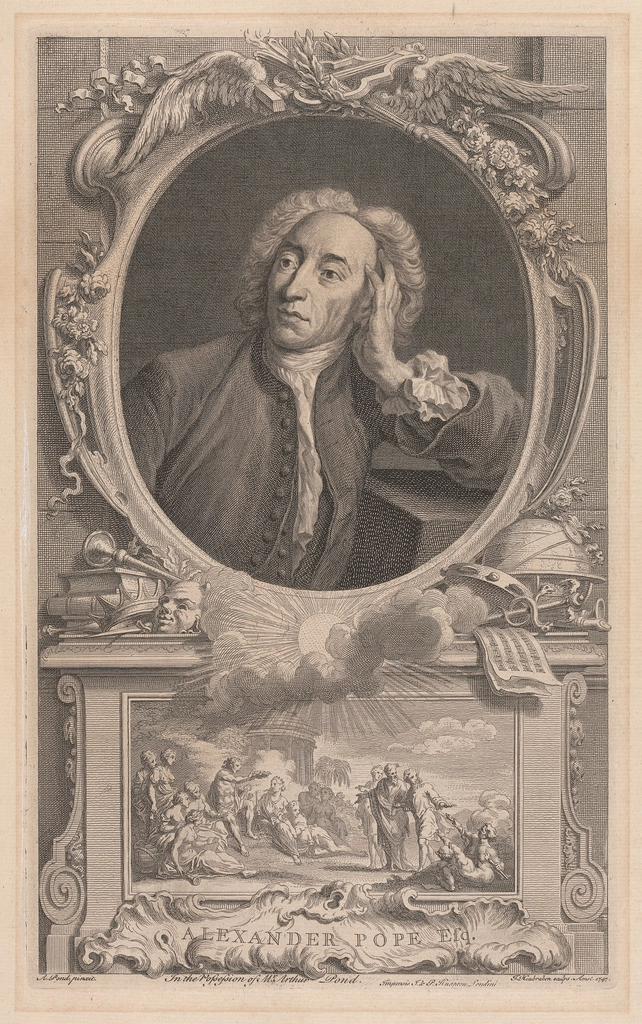
Alexander Pope wrote this in An Essay on Criticism, published in 1711. The word he used was “learning,” not “knowledge,” which is how people often rephrase it. Pope also wrote “dang’rous” with an apostrophe to keep the meter.
The surrounding lines go on to talk about drinking deeply from the Pierian spring. So the point isn’t that education is bad. It’s that shallow understanding can make people overconfident.
Wherefore Art Thou Romeo

This one is less a misquote than a misreading. Juliet’s line in Romeo and Juliet asks why he is Romeo, not where he is. “Wherefore” meant “why” in Shakespeare’s time.
She’s lamenting that his name ties him to her family’s enemy. Staged with Juliet searching a crowd, the line loses its point. Her focus is on his name, not his location.
Alas, Poor Yorick, I Knew Him Well


In Hamlet, the prince holds the skull of the court jester and speaks to Horatio. The text has him say he knew Yorick, then call him a fellow of infinite jest. The added “well” is a popular embellishment.
The scene is often remembered as Hamlet addressing the skull alone, but Horatio is right beside him. The moment is a reflection on mortality, which the shortened pop version tends to flatten into a stock image.
Check the Source


When a line sounds too neat, it’s worth tracing it back to the page. In the cases above, the original wording usually carries a slightly different meaning from the popular version.
A quick look at the primary text, or a reliable annotated edition, is usually enough to settle it.
Partner offer
Planning a trip to Vegas?
Compare hotel rates and show tickets on VEGAS.com.