Most poets hope to see their books on a shelf before they die. For some, that never happened. Their best work sat in drawers, trunks and church libraries, waiting for someone else to open it.
The seven poets below came to readers largely through editors, friends and relatives. Their stories show how much a literary reputation can depend on luck, loyalty and persistence.
Emily Dickinson, the Poet of the Locked Drawer

![Emily Dickinson, the Poet of the Locked Drawer (Yale University Manuscripts & Archives Digital Images Database [1], Public domain)](https://nvmwebsites-budwg5g9avh3epea.z03.azurefd.net/lasvegasnews/12c94fb4467e828f1c0104cb2af45b61.webp)
Dickinson lived most of her life in Amherst, Massachusetts, and died in 1886. Only a small handful of her poems appeared in print while she was alive, and they were published anonymously. After her death, her sister Lavinia found nearly 1,800 poems among her belongings, many of them sewn into small handmade booklets.
The first collection, Poems, appeared in 1890, edited by Mabel Loomis Todd and Thomas Wentworth Higginson. Early editors smoothed her punctuation and unusual rhymes to suit nineteenth century taste. A fuller, more faithful picture arrived with Thomas H. Johnson’s edition in 1955, and R. W. Franklin’s edition followed in 1998.
Gerard Manley Hopkins and the Friend Who Waited
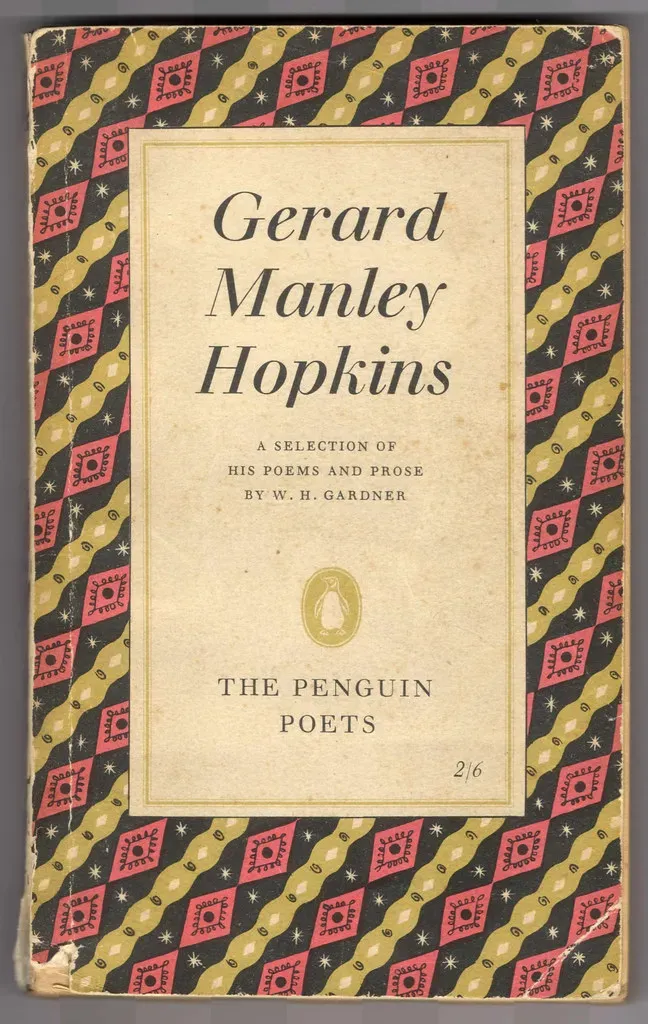
Hopkins was a Jesuit priest who died in 1889 at the age of forty four. He shared poems with a few close friends, but he never published a book. Many of his most daring poems, including The Windhover, stayed in manuscript.
His friend Robert Bridges, later Poet Laureate, held on to the manuscripts for nearly three decades. Bridges finally brought out Poems of Gerard Manley Hopkins in 1918. The unusual rhythm Hopkins called sprung rhythm struck many readers as strikingly modern, and he has been counted among the major Victorian poets ever since.
Wilfred Owen and the War That Cut Him Short

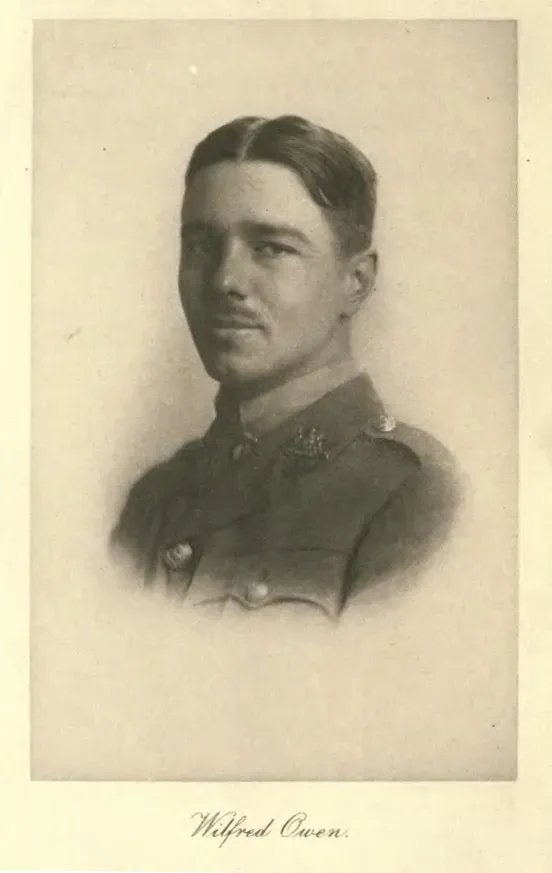
Owen was killed in action in France on 4 November 1918, just a week before the Armistice. Only a few of his poems had been printed by then. He had been working toward a book, and he left behind a draft preface about the pity of war.
Siegfried Sassoon, whom Owen had met while recovering at Craiglockhart hospital, helped prepare the poems for print. Edith Sitwell also took part in publishing his work. A collection edited by Sassoon appeared in 1920, and poems such as Dulce et Decorum Est became fixtures of classrooms in Britain and beyond.
Fernando Pessoa and the Trunk Full of Papers

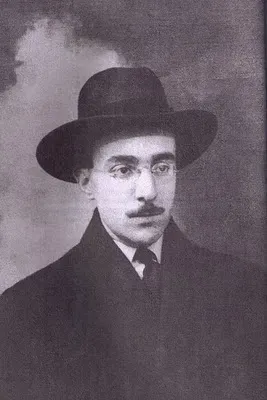
Pessoa, who died in Lisbon in 1935, published only one book of poems in Portuguese during his lifetime, Mensagem, in 1934. He wrote under many invented identities, which he called heteronyms, each with a distinct voice and biography. Some of these writers, such as Alberto Caeiro and Álvaro de Campos, produced poems quite unlike his own.
Partner offer

After his death, a trunk containing tens of thousands of pages was catalogued by scholars. That archive is now held by the National Library of Portugal. The Book of Disquiet, assembled from fragments, was first published in Portuguese decades after his death and has since been translated widely.
Constantine Cavafy, Who Printed for Friends

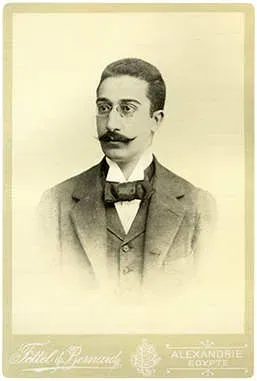
Cavafy lived in Alexandria and worked as a clerk in the Irrigation Service. He refused to sell his poems through the usual channels. Instead he printed pamphlets and broadsheets and handed them to friends and chosen readers.
He died in 1933 on his seventieth birthday. His collected Poems appeared in 1935, bringing together work that had circulated only in small circles. Poems like Ithaka and Waiting for the Barbarians have since reached a global audience, and E. M. Forster had helped introduce him to English readers earlier.
Edward Taylor, the Puritan Whose Poems Slept for Two Centuries

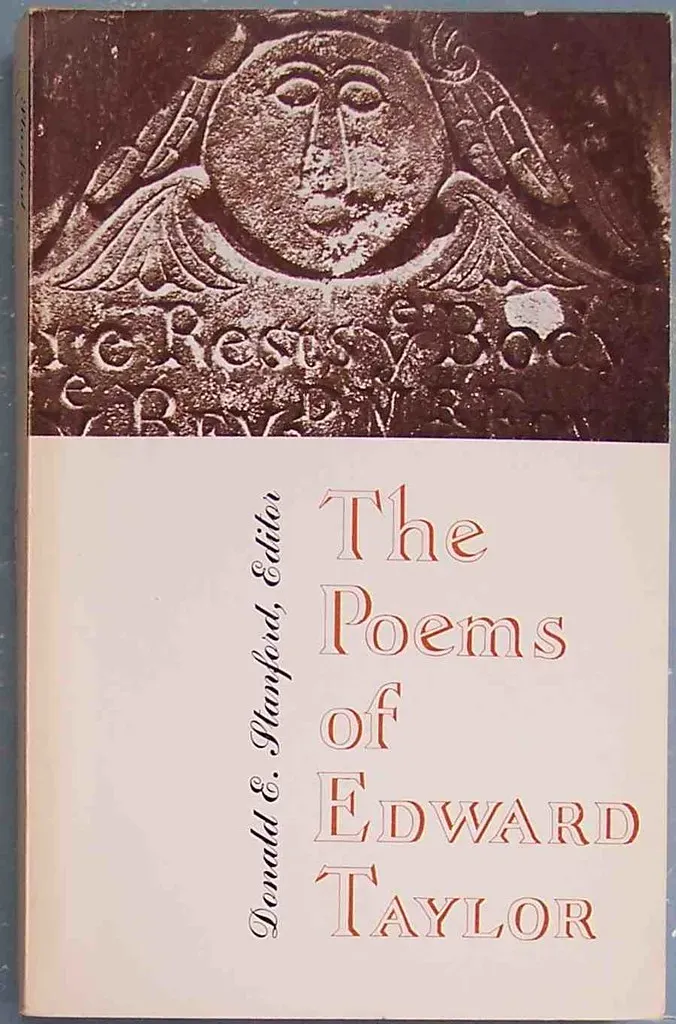
Taylor was an English born minister and doctor in Westfield, Massachusetts, who died in 1729. He wrote devotional poems, including the long series Preparatory Meditations, but reportedly asked that his heirs not publish them. For roughly two hundred years they stayed in manuscript.
The poems were found in the Yale University library, and Thomas H. Johnson published a selection in 1939. Scholars then recognized Taylor as one of the finest poets of colonial America. His dense imagery, drawn from household objects and everyday work, surprised readers who expected Puritan verse to be plain.
Thomas Traherne and the Bookstall Discovery

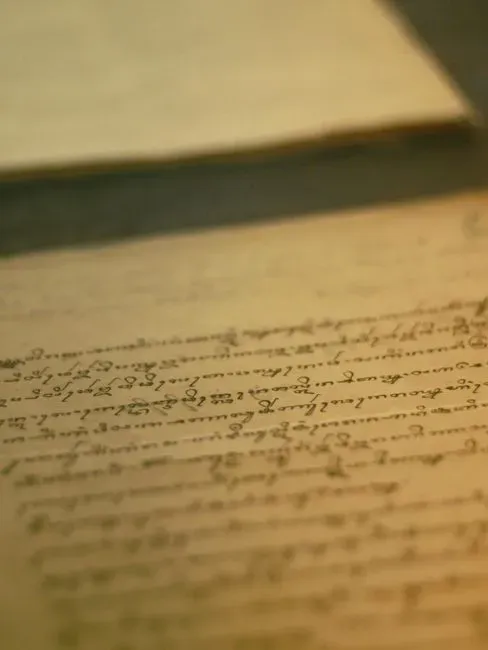
Traherne was a seventeenth century English clergyman who died in 1674. His writing was little known, and for a long time his work was credited to other authors. In the 1890s, manuscripts turned up on a London bookstall and were bought for very little.
The poems were eventually identified as his, and Bertram Dobell published them in 1903. Traherne’s themes of childhood wonder and the beauty of the ordinary world won him devoted readers in the twentieth century. His story remains one of the more remarkable recoveries in English literature.
What These Seven Cases Share
Each of these poets relied on another person to carry the work forward. Dickinson had her sister and early editors, Hopkins had Bridges, Owen had Sassoon, and Traherne had a lucky buyer and a determined publisher. Pessoa and Cavafy were saved by archives and the scholars who sorted them.
Editors also shaped what readers saw. Many early editions altered punctuation or arrangement, and later scholars have worked to restore the original texts. Today, critical editions of Dickinson, Pessoa and others continue to be revised as researchers examine manuscripts more closely.
Partner offer
Planning a trip to Vegas?
Compare hotel rates and show tickets on VEGAS.com.