We all know about Rome, the British Empire, and maybe the Mongols if we paid attention in history class. But what about the sprawling kingdoms that once controlled massive territories, influenced trade routes, and shaped entire continents – yet somehow vanished from our collective memory? These empires were just as powerful, just as wealthy, and sometimes even more innovative than the famous ones we read about in textbooks.
The thing is, history has a funny way of playing favorites. Some civilizations get immortalized in Hollywood movies while others fade into obscurity despite ruling over millions. Today we’re diving into the forgotten giants of world history, the empires that dominated their eras but barely get a mention anymore. Prepare to discover kingdoms you never knew existed but absolutely should have.
The Khmer Empire: Southeast Asia’s Lost Superpower

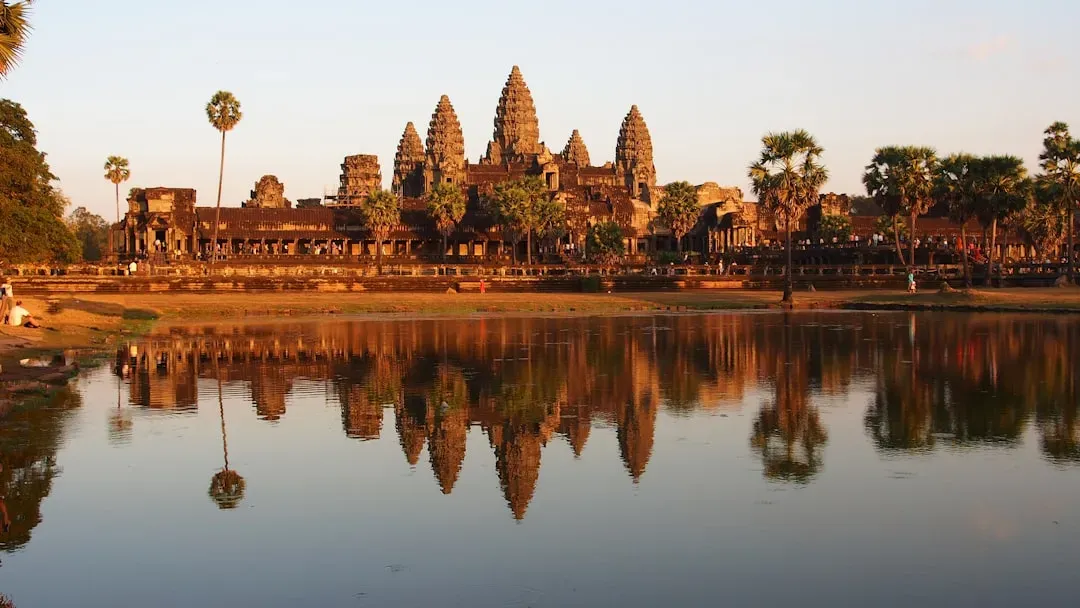
Picture this: while medieval Europe was still figuring out basic plumbing, the Khmer Empire was building Angkor Wat, the largest religious monument on Earth. From the 9th to 15th centuries, this Cambodian powerhouse controlled much of Southeast Asia, including parts of modern Thailand, Laos, and Vietnam. Their capital city, Angkor, housed nearly a million people at its peak – making it one of the largest urban centers in the pre-industrial world.
The Khmer mastered hydraulic engineering on a scale that would make modern civil engineers jealous. They constructed an elaborate system of reservoirs, canals, and rice paddies that sustained their massive population and funded their architectural ambitions. Their temples weren’t just religious sites but served as administrative centers, universities, and symbols of divine kingship.
So what happened? A perfect storm of environmental degradation, overpopulation, and shifting trade routes weakened the empire. When the Thai kingdom of Ayutthaya sacked Angkor in 1431, the Khmer never recovered. The jungle slowly swallowed their magnificent cities, and for centuries, the empire existed only in local folklore until French explorers stumbled upon the ruins in the 1800s.
The Mali Empire: Golden Kingdom of West Africa

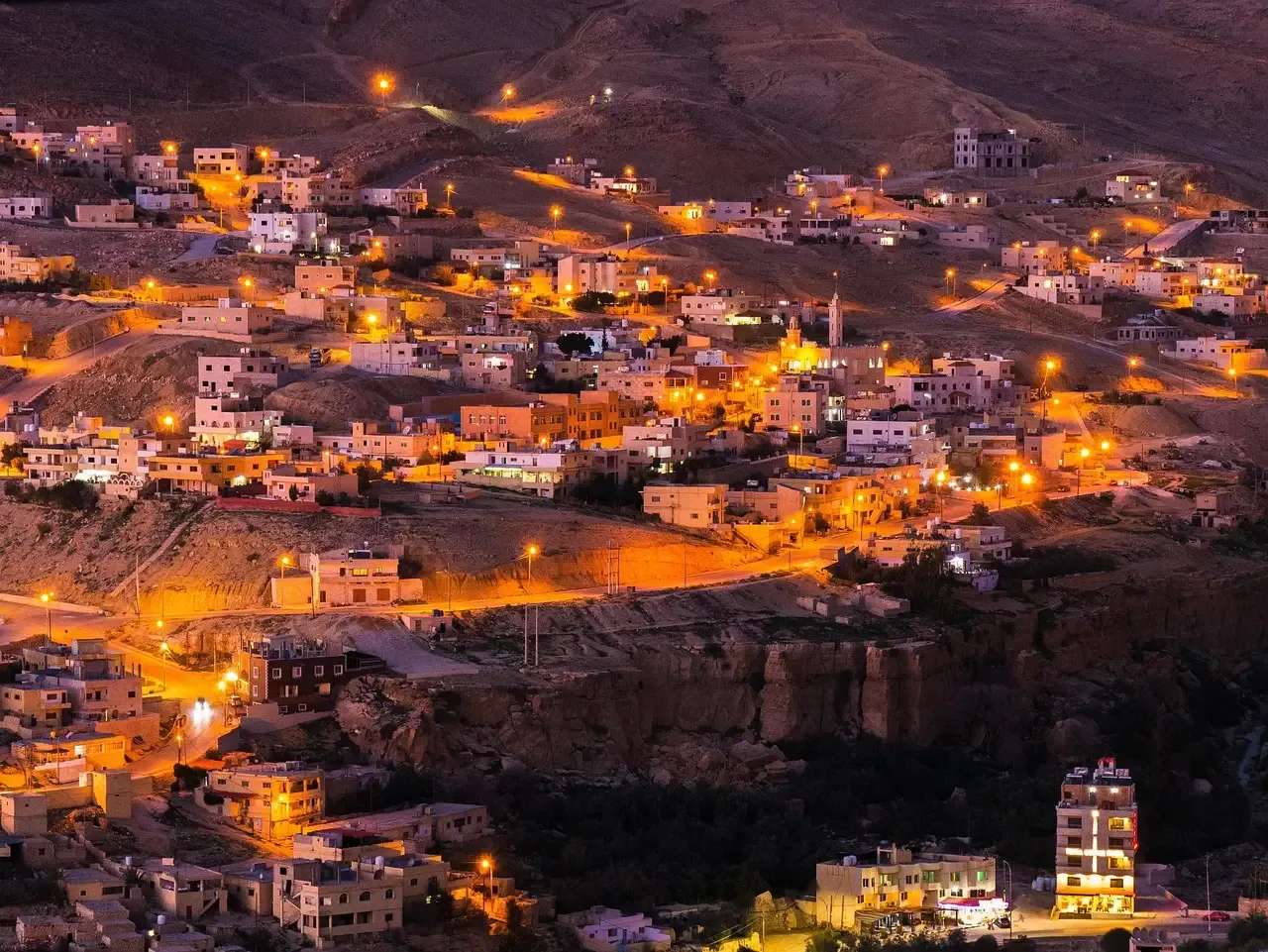
If you think Europe had a monopoly on medieval wealth, think again. The Mali Empire, which flourished from the 13th to 16th centuries, controlled the gold and salt trade routes across West Africa and became obscenely rich in the process. We’re talking about an empire so wealthy that when Emperor Mansa Musa made his pilgrimage to Mecca in 1324, he brought so much gold that he accidentally caused inflation throughout the Middle East.
Seriously, the guy handed out so much gold in Cairo that it took over a decade for the economy to recover. Mansa Musa’s net worth has been estimated at roughly $400 billion in today’s money, making him possibly the richest person in human history. Mali’s capital, Timbuktu, became a legendary center of learning, housing universities and libraries that attracted scholars from across the Islamic world.
The empire controlled an area larger than Western Europe and maintained sophisticated administrative systems, standing armies, and diplomatic relations across three continents. But internal succession disputes, the rise of competing kingdoms, and the shift of trade routes to the coast gradually eroded Mali’s dominance. By the 17th century, this golden empire had fragmented into smaller states, and its incredible wealth became nothing more than legend.
The Hittite Empire: The Forgotten Bronze Age Giant

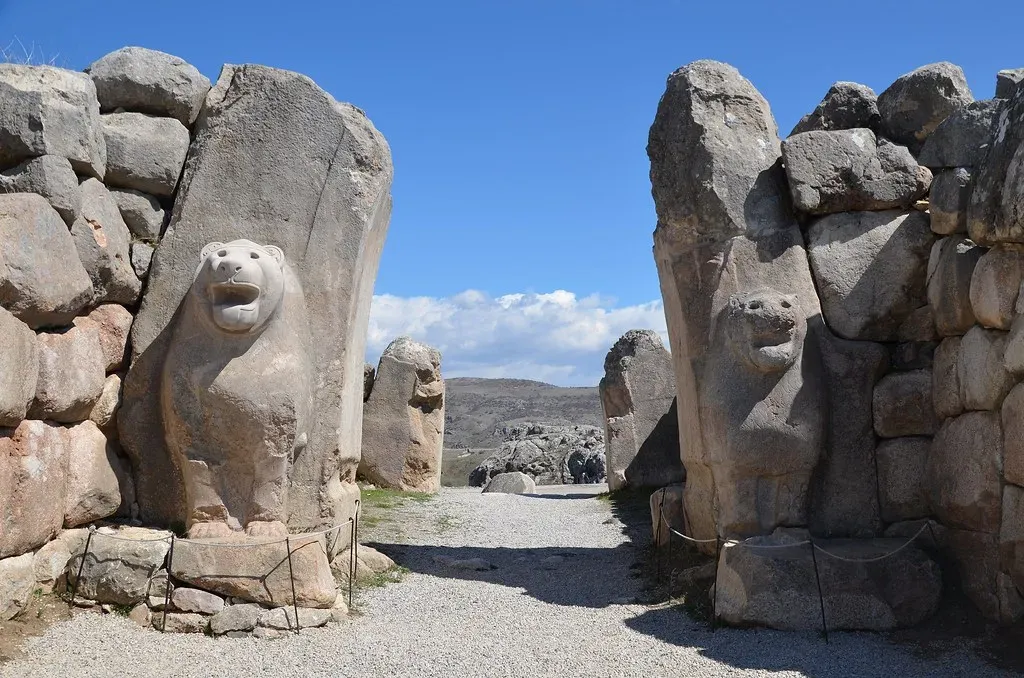
Here’s something wild: there was once an empire so powerful it rivaled ancient Egypt, yet most people today have never even heard of it. The Hittite Empire dominated Anatolia (modern Turkey) and parts of the Levant from roughly 1600 to 1178 BCE. They were the first civilization to master iron smelting, giving them a massive military advantage over their bronze-wielding neighbors.
The Hittites fought Egypt to a standstill at the Battle of Kadesh, one of the largest chariot battles in history, and eventually signed what might be the world’s first international peace treaty with Pharaoh Ramesses II. They developed sophisticated legal codes, maintained extensive diplomatic correspondence, and built impressive fortified cities across their territory.
Then, around 1200 BCE, everything collapsed. The mysterious “Sea Peoples” invaded, climate change disrupted agriculture, and the entire Bronze Age system fell apart. The Hittite Empire vanished so completely that by classical times, they existed only in Biblical references. It wasn’t until archaeologists discovered their capital, Hattusa, in the early 20th century that we even knew they were real. Talk about falling through the cracks of history.
The Majapahit Empire: Indonesia’s Maritime Colossus

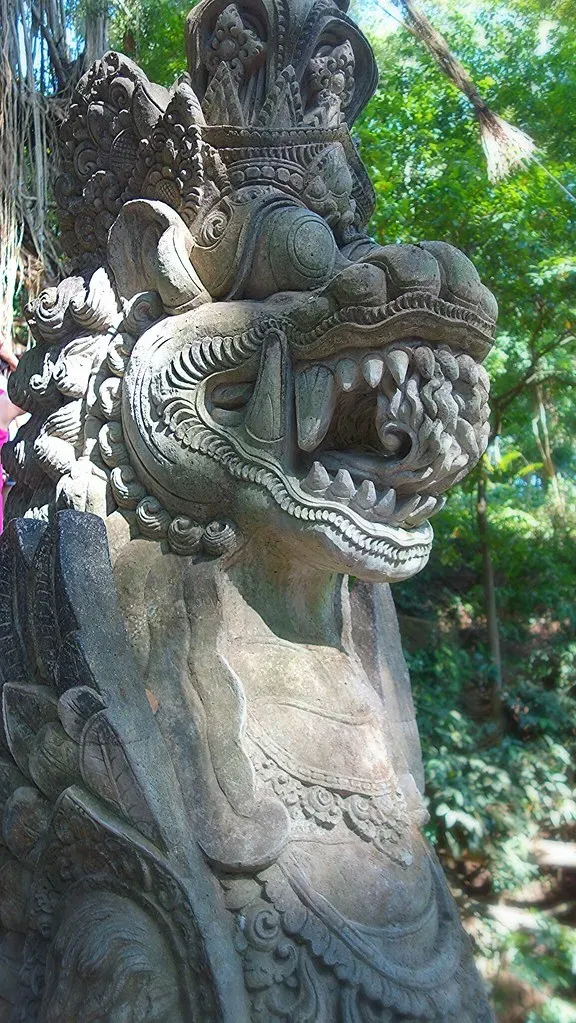
Between 1293 and 1527, the Majapahit Empire controlled the Indonesian archipelago and beyond, making it one of the greatest maritime empires in Asian history. At its peak, Majapahit’s influence stretched across modern Indonesia, Malaysia, Singapore, and parts of the Philippines. Their capital on Java housed elaborate palaces, temples, and a thriving cosmopolitan population.
What made Majapahit special was their mastery of naval power and trade networks. They didn’t conquer territories through massive land armies but dominated the crucial Strait of Malacca and controlled the spice trade that made fortunes for anyone who could access it. Their fleet was legendary, and their administrative system managed to keep hundreds of tributary states in line.
The empire’s decline came gradually as Islam spread through the archipelago and new sultanates challenged Majapahit’s Hindu-Buddhist authority. Internal succession crises weakened central power, and by the early 16th century, the empire had fragmented. When Portuguese traders arrived seeking spices, they found not a unified empire but a patchwork of competing kingdoms. Most people today couldn’t point to Majapahit on a timeline, yet it shaped Southeast Asian culture in ways that still resonate.
The Parthian Empire: Persia’s Forgotten Chapter

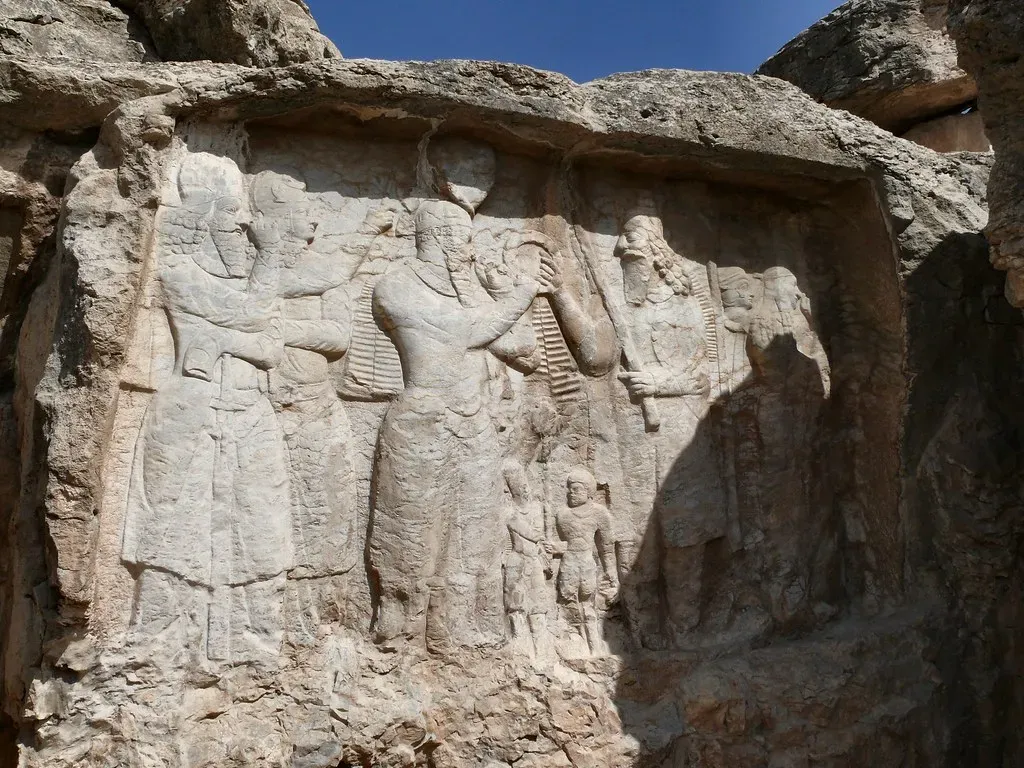
Everyone knows about the Persian Empire that Alexander the Great conquered, and most have heard of the later Sasanian Empire. But sandwiched between them was the Parthian Empire, which lasted nearly 500 years and gave Rome more headaches than almost any other adversary. From 247 BCE to 224 CE, the Parthians controlled the region from the Euphrates to the Indus River.
These were the folks who perfected the “Parthian shot” – the legendary cavalry tactic of firing arrows backward while retreating on horseback. They crushed several Roman invasions, including one where they killed a Roman triumvir and allegedly poured molten gold down his throat. The Parthians controlled the Silk Road trade routes and grew wealthy from the East-West commerce flowing through their territory.
Despite their military successes and economic power, the Parthians left behind relatively few monuments and written records. Their decentralized feudal system meant power was distributed among noble families rather than concentrated in a grand capital. When the Sasanians overthrew them in 224 CE, much of Parthian culture was either absorbed or deliberately erased. Today, even many history buffs struggle to remember they existed, despite their crucial role in shaping the ancient world.
The Aksumite Empire: Africa’s Christian Kingdom

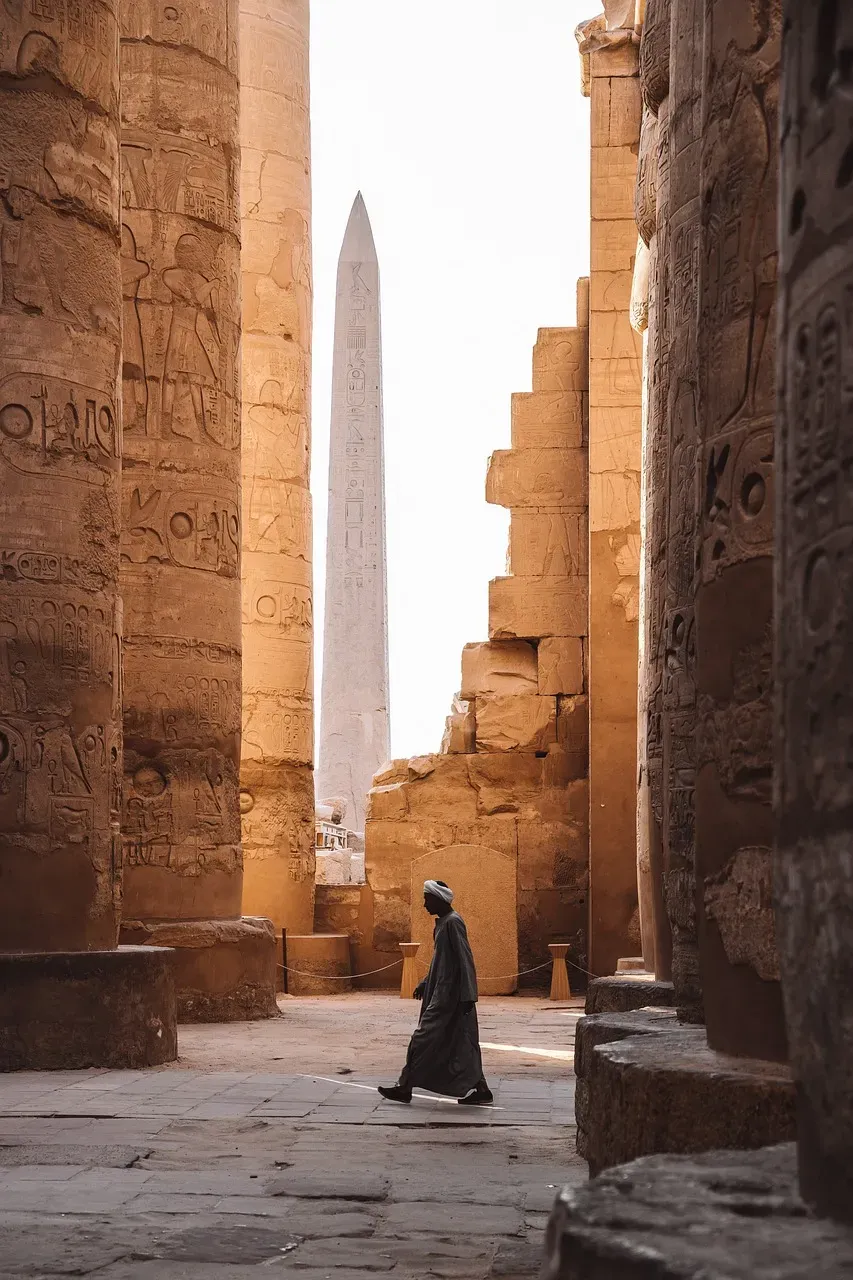
Long before European colonial powers carved up Africa, the Aksumite Empire dominated the Red Sea trade routes and controlled territory across modern Ethiopia, Eritrea, Yemen, and parts of Saudi Arabia. From roughly the 1st to 7th centuries CE, Aksum was a major player in international trade, minting its own gold coins and maintaining diplomatic relations with Rome, Persia, and India.
What’s particularly fascinating is that Aksum was one of the first major empires to officially adopt Christianity, doing so in the 4th century – around the same time as Rome. Their distinctive obelisks, some standing over 100 feet tall, demonstrated advanced engineering skills. The kingdom developed its own written script, Ge’ez, which is still used in Ethiopian Orthodox liturgy today.
Aksum’s decline came as Islamic expansion redirected trade routes away from the Red Sea and internal environmental challenges weakened the kingdom’s agricultural base. By the 10th century, the empire had retreated into the Ethiopian highlands, where its cultural legacy survived but its international prominence evaporated. Despite being a crucial link between Africa, Arabia, and the Mediterranean world for centuries, Aksum barely registers in most Western historical narratives.
The Vijayanagara Empire: India’s Renaissance Kingdom

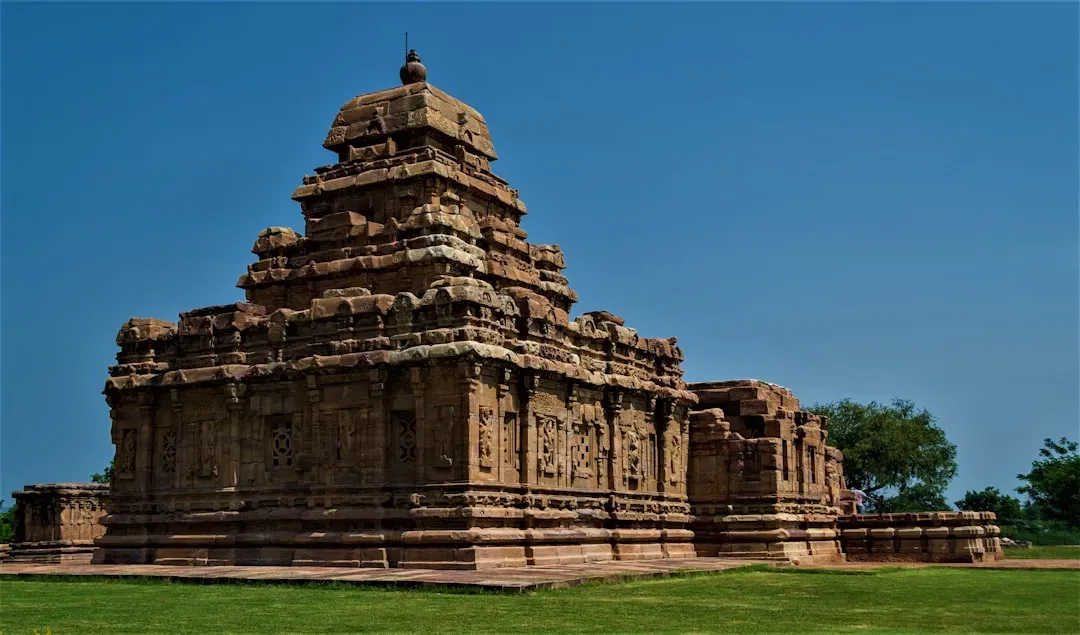
While Renaissance Europe was rediscovering classical learning, the Vijayanagara Empire was creating its own cultural golden age in southern India. Founded in 1336, this Hindu kingdom became one of the wealthiest and most powerful states in Indian history, controlling most of the Deccan Plateau and competing successfully against the Islamic sultanates to the north.
Contemporary visitors from Europe and Persia described Vijayanagara’s capital as more magnificent than Rome, with markets overflowing with jewels, silks, and exotic goods. The empire’s diamond mines and control of major trade routes made it spectacularly wealthy. They patronized arts, literature, architecture, and religious institutions on a massive scale, building thousands of temples and supporting a flourishing culture.
The empire’s military was equally impressive, fielding armies that included war elephants, cavalry, and early gunpowder weapons. But in 1565, a coalition of sultanates defeated Vijayanagara at the Battle of Talikota. The capital was sacked so thoroughly that it was never rebuilt. Within a few decades, this powerful empire fragmented into smaller kingdoms, and its glory days became a distant memory. Today, the ruins at Hampi offer glimpses of what was lost, but few outside India recognize the name Vijayanagara.
Conclusion

The empires we’ve explored today once commanded armies, built magnificent cities, and shaped the lives of millions. They weren’t minor kingdoms on the periphery of history – they were major powers that anyone living in their time would have considered permanent fixtures of the world. Yet somehow, they slipped through the cracks of collective memory, replaced by more famous civilizations in our textbooks and popular consciousness.
Recovering these lost stories isn’t just an academic exercise. It challenges the narratives we’ve been told about which civilizations mattered and why. It reveals that human achievement has always been global and diverse, not concentrated in a few famous cultures. The sophistication of the Khmer, the wealth of Mali, the military prowess of the Parthians – these weren’t exceptions, they were the rule. Great civilizations arose everywhere humans settled.
Next time you visit a museum or read about ancient history, think about the empires that aren’t represented. The ones whose artifacts are still buried, whose stories haven’t been translated, whose achievements remain forgotten. History is far bigger and more complex than any single narrative can capture. What other once-great powers are still waiting to be rediscovered? Share your thoughts in the comments below.