Throughout history, sensory disabilities have posed significant challenges to artists whose work depends on sight or sound. Yet some of the world’s most celebrated masterpieces were created by individuals who lost these fundamental senses. Painting is very much a visual medium, so having sight is pretty important when it comes to working as a painter, though some amazing people who are legally blind have painted incredibly beautiful works that rival those of artists who can see. These remarkable creators not only adapted to their conditions, but often transformed their disabilities into sources of profound artistic expression.
The stories of blind and deaf artists challenge our assumptions about artistic creation and demonstrate the resilience of human creativity. From historical masters to contemporary painters, these individuals developed innovative techniques to continue their work despite losing vision or hearing. Their masterpieces offer unique perspectives shaped by their experiences, reminding us that artistic genius transcends the limitations of the physical senses.
Claude Monet’s Battle with Cataracts

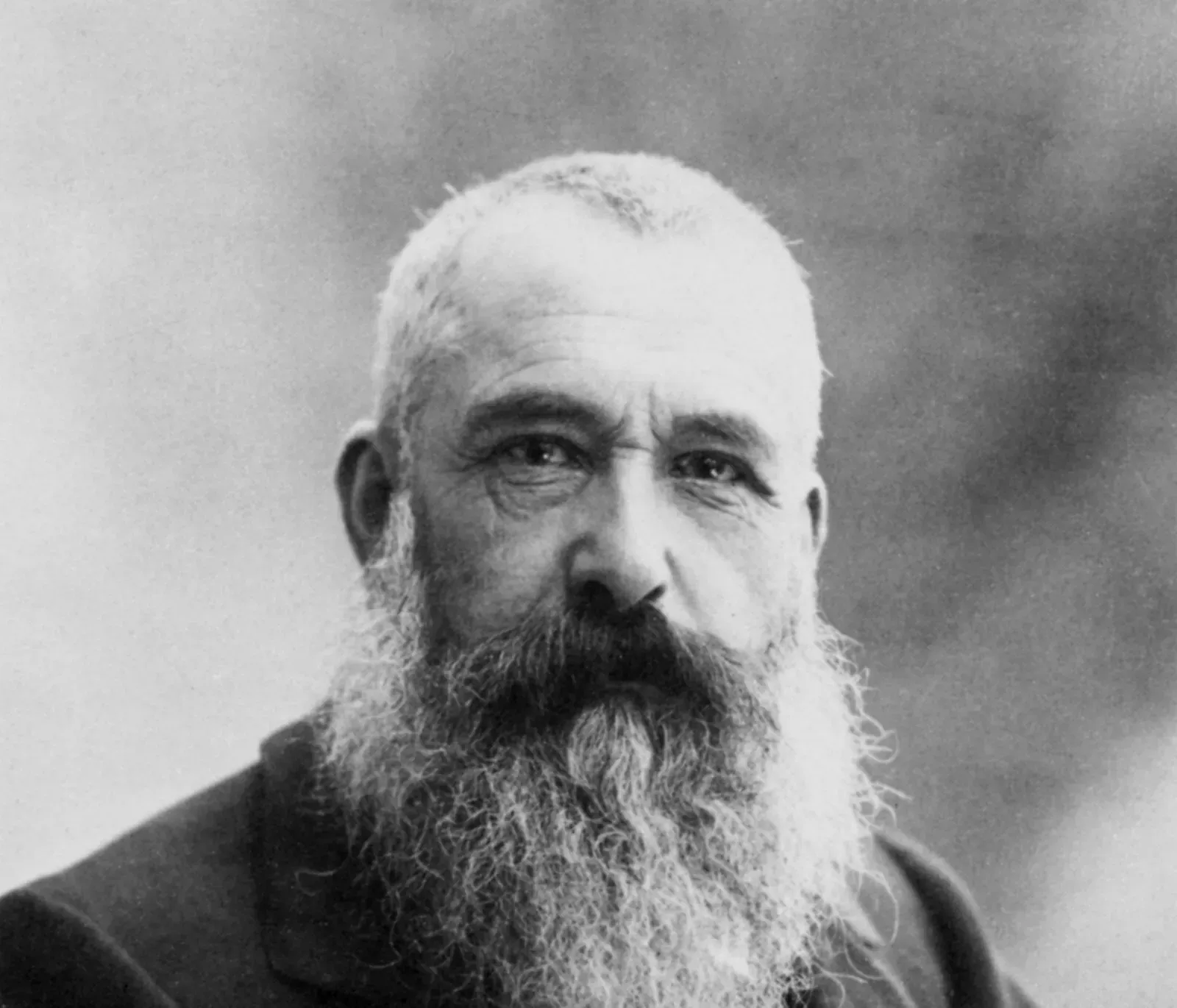
Claude Monet, a French painter best known for leading the artistic movement of Impressionism, began to experience visual changes when he was in his sixties, particularly in regard to his perception of color, and at age seventy-two, he was diagnosed with nuclear cataracts in both eyes. By 1914, he began to struggle quite severely, complaining that colors no longer had the same intensity, that reds had begun to look muddy, and that his painting was getting more darkened. Despite this progressive vision loss, Monet continued to paint his famous Water Lilies series, creating some of his most iconic works while nearly blind.
In 1922, Monet consulted ophthalmologist Charles Coutela, who recorded a visual acuity of light perception only on the right, and roughly twenty-sixty vision on the left. Monet began having trouble with cataracts in 1905, but did not see a doctor about it until 1912, and he put off the needed surgery until 1923. Cataracts affected his ability to distinguish the cool range of colors, thus many of his works from this period are dominated by bright yellows, oranges, purples, and reds. It is rumored that Monet was forced to place labels on his paint bottles since he could no longer tell the difference between colors on his palette. After finally undergoing cataract surgery in 1923, Monet resumed painting, and his later works returned to the delicate blues and greens characteristic of his earlier style.
Francisco Goya’s Deaf Masterworks

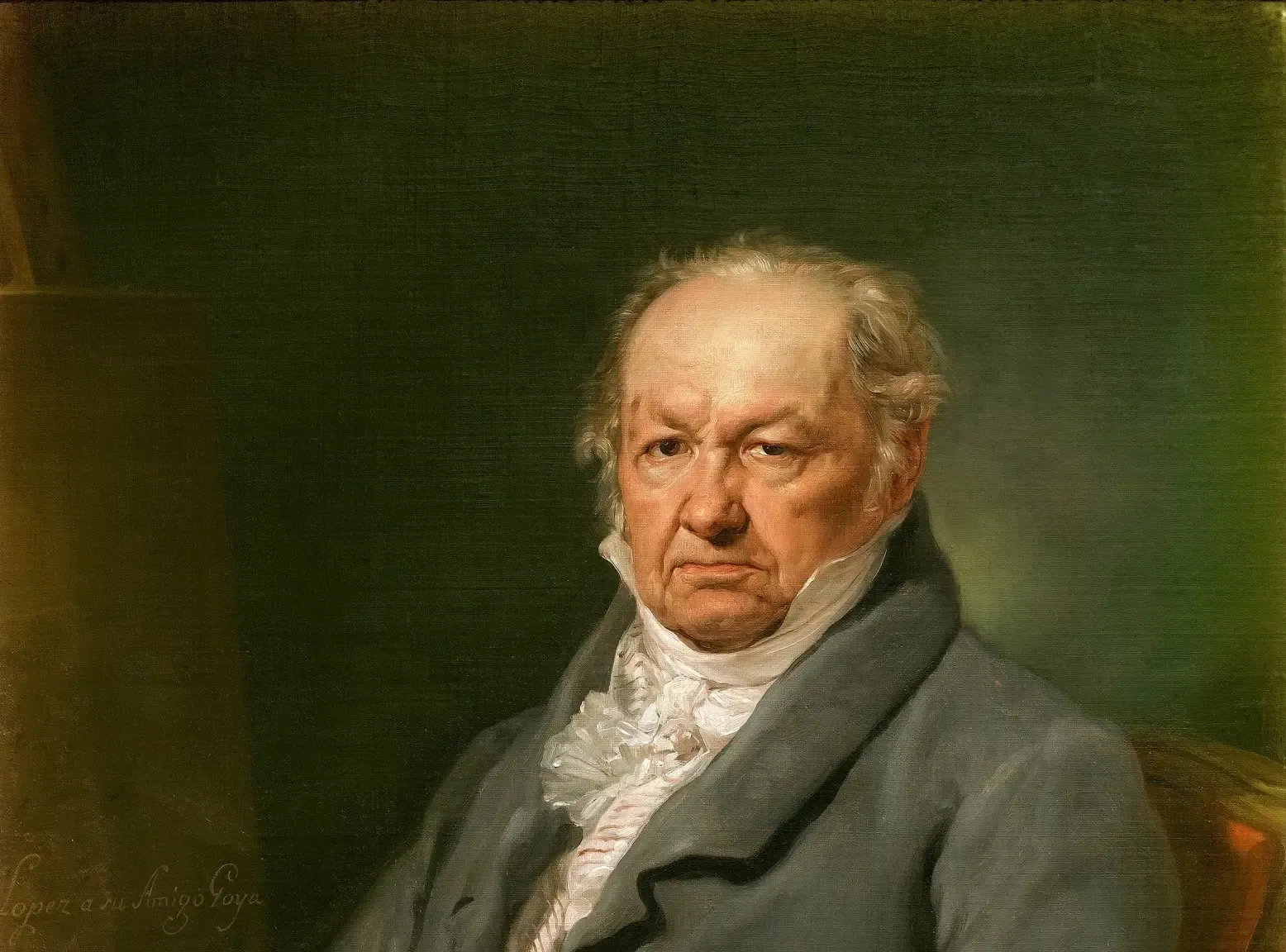
At some time between late 1792 and early 1793, an undiagnosed illness left Goya deaf, and he became withdrawn and introspective while the direction and tone of his work changed. A pivotal moment in 1792, marked by a sudden and severe illness that left him deaf, altered the course of his career and artistic expression. The Spanish court painter, who had previously created elegant portraits for royalty, began producing increasingly dark and emotionally charged works following his hearing loss.
The Black Paintings is the name given to a group of fourteen paintings by Francisco Goya from the later years of his life, probably between 1820 and 1823, which portray intense, haunting themes, reflective of both his fear of insanity and his bleak outlook on humanity. At the age of seventy-five, alone and in mental and physical despair, he completed the work of his fourteen Black Paintings, all of which were executed in oil directly onto the plaster walls of his house. These deeply personal works, including the famous Saturn Devouring His Son, were never intended for public viewing. Goya’s journey into the realm of The Black Paintings is inseparable from the profound impact of his deafness, as the isolation resulting from his loss of hearing created a heightened sensitivity to the visual world, and unable to communicate verbally, Goya turned to his art as a means of expressing the complex emotions and thoughts swirling within him.
John Bramblitt: Contemporary Blind Painter


In 2001, as a result of epilepsy, artist John Bramblitt went blind, and while it is easy to see how blindness could ruin the career of a visual artist, going blind was actually the catalyst to begin his career as a visual artist. At the time an undergrad student at the University of North Texas, Bramblitt lost his sight and forty percent of his hearing in 2001 due to complications stemming from epilepsy and Lyme disease. Rather than abandoning art, Bramblitt developed an entirely new approach to painting that relied on touch rather than sight.
Partner offer

Functionally blind, meaning that he can only tell the difference between light and darkness, John Bramblitt paints in a completely unique way, using textured paints to feel his way around the canvas. He labels his paints and paint tubes with Braille, and he is able to mix paint by measuring out certain mixtures and mixing them, comparing it to how someone would when cooking or baking. He was the first blind muralist in the world, with murals in New York and Dallas. His work has been sold in over one hundred twenty countries, and he has received three Presidential Service Awards for his innovative art workshops.
Keith Salmon’s Vision Through Blindness

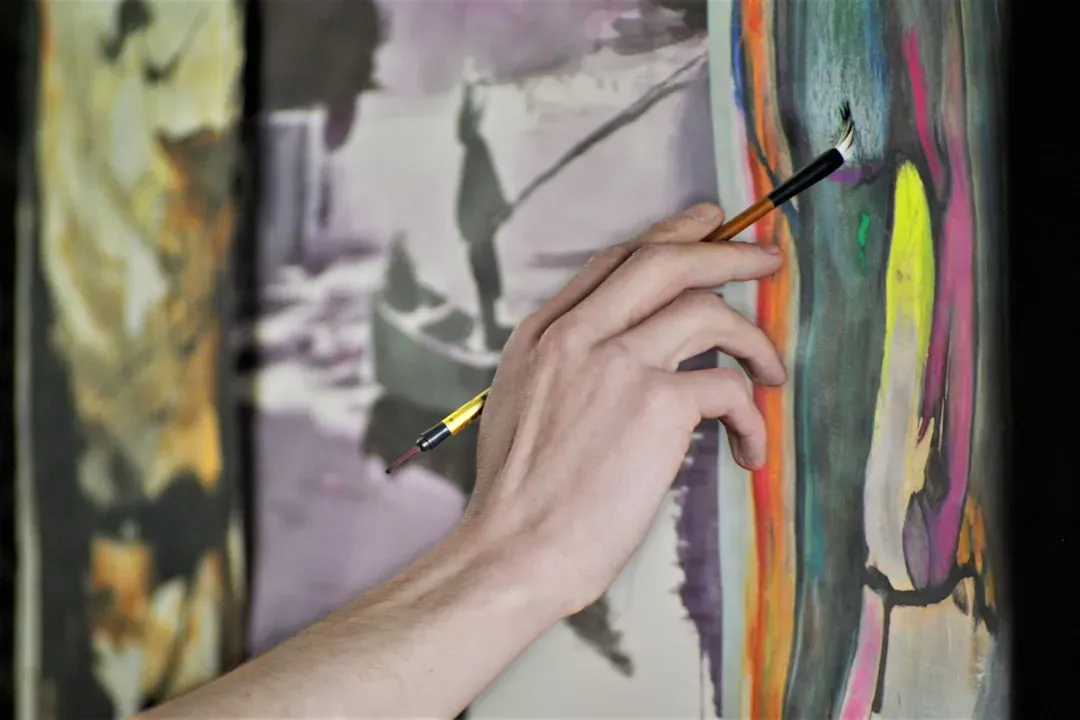
Born in Essex, United Kingdom, in 1959, Keith Salmon studied fine art and graduated in 1983, but in 1989, he was diagnosed with diabetic retinopathy and his eyesight deteriorated quickly, eventually leaving him legally blind. A setback like blindness may have been devastating to many other artists, but Salmon became more determined and dedicated to his artwork. Rather than viewing his condition as an insurmountable obstacle, Salmon channeled his experience into creating powerful abstract landscapes.
After a diagnosis of diabetic retinopathy left him legally blind, he dedicated himself even more fully to his art, and he is best known for abstract landscape art, mostly of hills in Scotland that he enjoyed climbing, even after becoming legally blind. Salmon’s paintings feature abstract bursts of color and detailed brushwork, and he credits his blindness with making him a more determined and talented painter. His work demonstrates that visual impairment need not diminish artistic quality or expression.
Chuck Baird and Deaf Visual Art


Chuck Baird was born deaf in Kansas City in 1947 and, along with his three older sisters, went to the Kansas School for the Deaf. He received his art education from renowned watercolorist Grace Bilger, graduated in 1967, and received his BFA in Painting from the Rochester Institute of Technology in 1974. He is considered the Father of De’VIA. De’VIA, which stands for Deaf View/Image Art, emerged as a distinct artistic movement focused on the Deaf experience and perspective.
In 1989, Paul Johnson and Betty Miller formed a four day workshop for Deaf artists to explore works about the Deaf perspective, and nine visual artists came together: painter Chuck Baird, art historian Deborah Blumenson, fiber artist Nancy Creighton, video artist Lai-Yok Ho, fiber artist Sandi Inches-Vasnick, sculptor Paul Johnson, painter Betty Miller, painter Alex Wilhite and sculptor Guy Wonder. With deaf culture art, the focus is on the deaf community’s history, identities, oppression, diversity, and experiences alongside American Sign Language. Baird’s contributions helped establish a framework for understanding Deaf art as a distinct cultural and artistic genre.
Historical Deaf Artists

Hendrick Avercamp was one of the first Dutch landscape painters of the seventeenth century, was deaf and mute and known as de Stomme van Kampen, meaning the mute of Kampen, and he is especially noted for his winter landscapes of his homeland. John Brewster Junior was a deaf portrait painter who created beautiful and ethereal images of American people during the formative period of the nation, and born in Hampton, Connecticut, Brewster helped create a style of American portraiture that came to dominate rural New England. These historical artists worked in eras before modern deaf education and sign language systems were widely established, making their achievements even more remarkable.
Wolfgang Heimbach was a North German Baroque painter, mostly active in Denmark, who was deaf-mute but compensated by being able to read and write several languages. As a deaf artist, eye contact became a moment of engagement and communication for Brewster, and he was especially sensitive to the sitter’s face, emphasizing his or her direct gaze. These artists developed unique ways of perceiving and capturing the world around them, often bringing heightened attention to visual details that hearing artists might overlook.
Partner offer
Planning a trip to Vegas?
Compare hotel rates and show tickets on VEGAS.com.