Ever picked up a book without realizing the author’s name on the cover wasn’t quite real? You’re not alone. Writers have been using pseudonyms for centuries, and the reasons behind these literary disguises are as fascinating as the stories themselves. Sometimes it’s about privacy, sometimes it’s about escaping prejudice, and other times, honestly, it’s just about trying something completely new without the baggage of an established reputation.
The practice is far more common than you’d think. From Victorian novelists hiding their gender to modern bestsellers testing whether their success comes from talent or just name recognition, have shaped literary history in unexpected ways. Let’s dive into some of the most intriguing cases where the pen proved mightier than the person behind it.
Stephen King’s Secret Identity as Richard Bachman
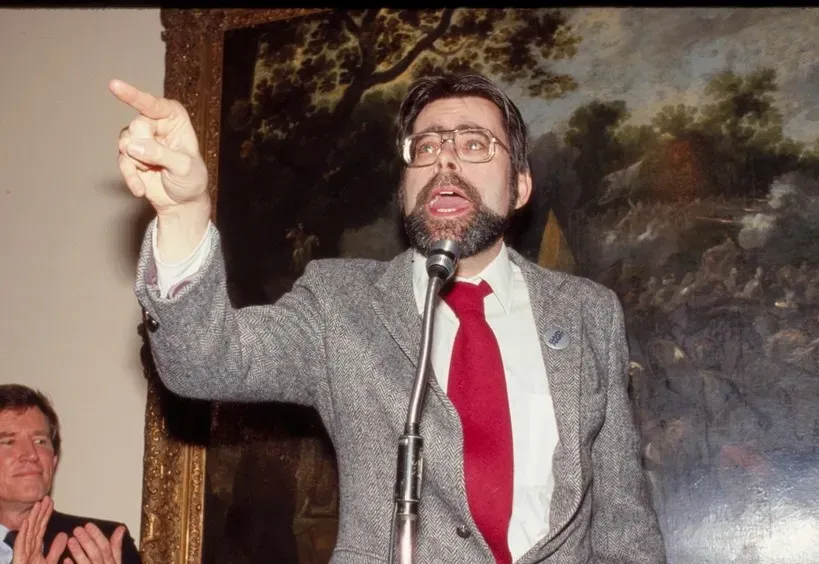
Stephen King adopted the pen name Richard Bachman in 1977 for the novel Rage, keeping the link hidden until his identification in 1985. The horror master wanted to test a theory that plagued him: was his success due to genuine talent, or just dumb luck? By the time Rage came out, King had already published Carrie, ‘Salem’s Lot, and The Shining, and he adopted a second pen name to test himself. At the beginning of King’s career, the publishing limit was one book per year to avoid glutting the market, so King could publish more by writing under another name.
A bookstore clerk named Steve Brown in 1984 noticed very specific phrases in Richard Bachman’s book Thinner that he’d only ever read in Stephen King’s books, which made him convinced that Bachman was actually a pseudonym King was using. Brown did some detective work, checking copyright records at the Library of Congress, where he discovered most Bachman books were registered to King’s agent. The Bachman book Thinner sold 28,000 copies during its initial run and then ten times as many when it was revealed that Bachman was, in fact, King. King jokingly declared Bachman dead from “cancer of the pseudonym” once the truth came out.
J.K. Rowling’s Crime Fiction Alter Ego
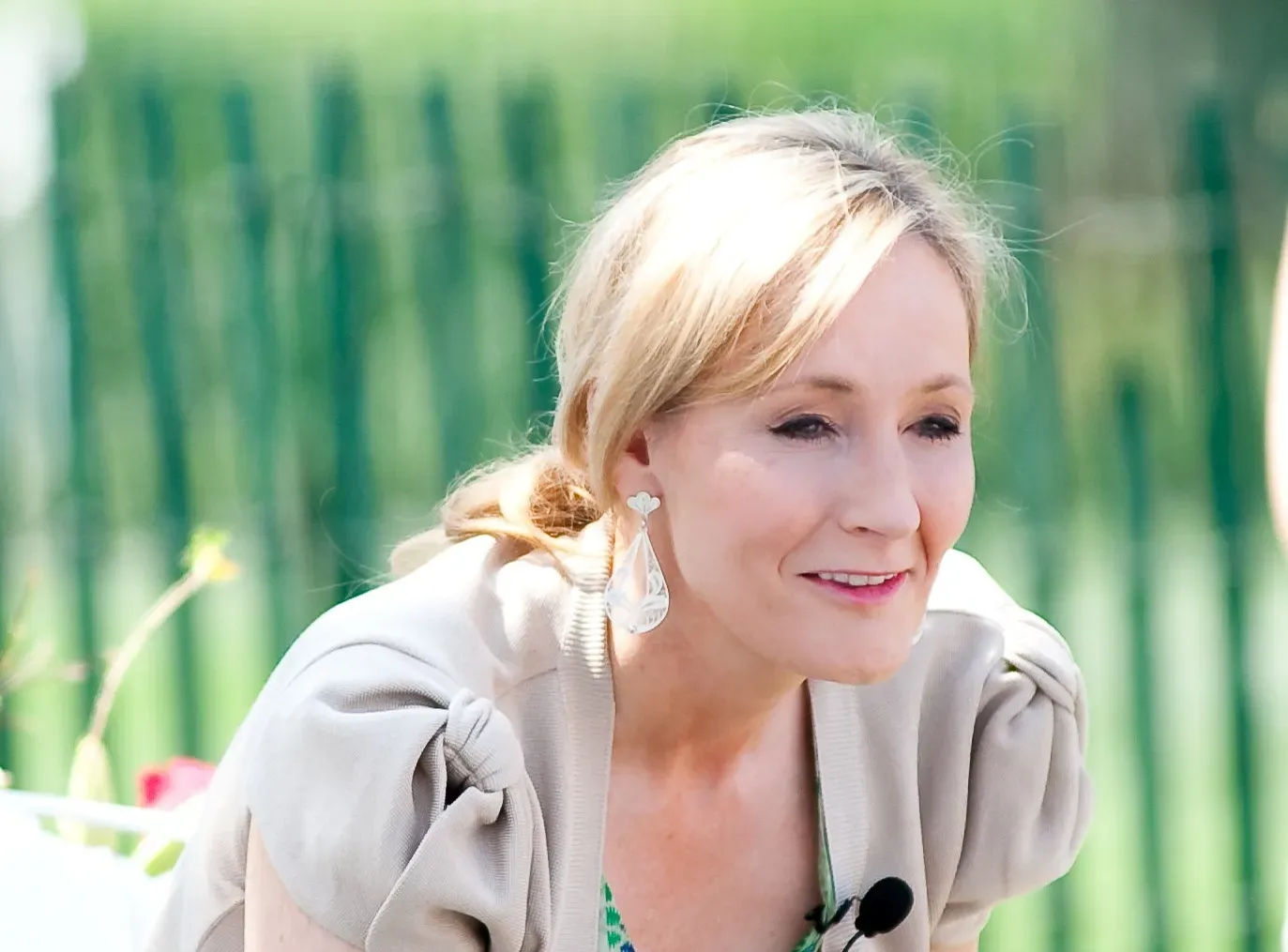
J.K. Rowling writes the Cormoran Strike crime fiction series under the alias Robert Galbraith, with the first novel The Cuckoo’s Calling initially selling only 1,500 copies in hardback. Following the popularity of the Harry Potter series, Rowling began writing criminal fiction under the alias Robert Galbraith to have a fresh start in a new genre without the pressure of her well-known identity. The name choice had personal meaning, too.
Rowling chose Robert because it’s one of her favourite men’s and because Robert F. Kennedy is her hero. The surname Galbraith came from a childhood fascination with the name. After an investigation prompted by discussion on Twitter, journalist Richard Brooks contacted Rowling’s agent, who confirmed Galbraith was Rowling’s pseudonym. Sales exploded after her identity was revealed, proving that sometimes a secret can’t stay buried forever, especially in the age of social media sleuthing.
George Orwell: Escaping Family Embarrassment
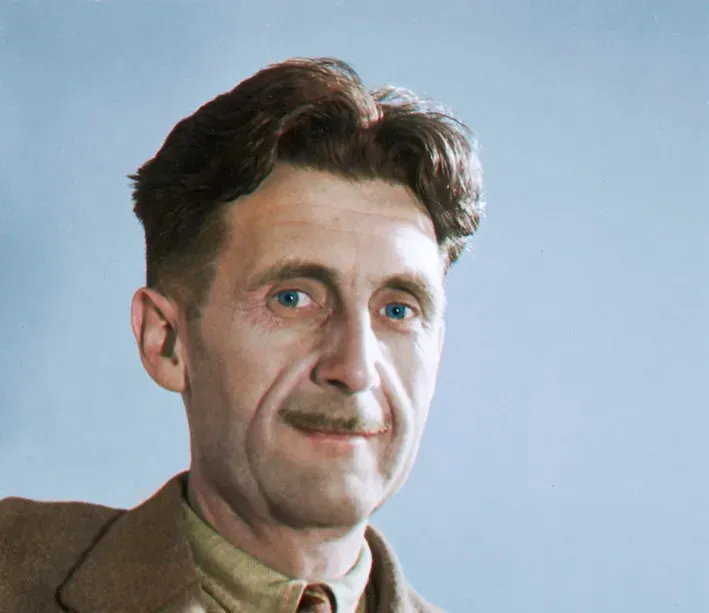
Eric Arthur Blair wrote under the pen name of George Orwell, becoming an English novelist, poet, essayist, journalist, and critic. Eric Arthur Blair, author of Nineteen Eighty-Four, is better known by his pen name George Orwell, which he used to write his first book Down and Out in Paris and London so he would not embarrass his family as it is a memoir reflecting on his time living in poverty. The choice wasn’t just practical, though. It had a certain aesthetic appeal.
He finally adopted the pen name George Orwell because it is a good round English name, with George inspired by the patron saint of England and Orwell after the River Orwell in Suffolk which was one of Orwell’s favourite locations. Down and Out in Paris and London was published by Victor Gollancz in London on 9 January 1933 and received favourable reviews. Blair never entirely abandoned his birth name in private life, but to the world, he became Orwell, and that name now carries weight that transcends the man himself.
The Brontë Sisters’ Gender Disguise
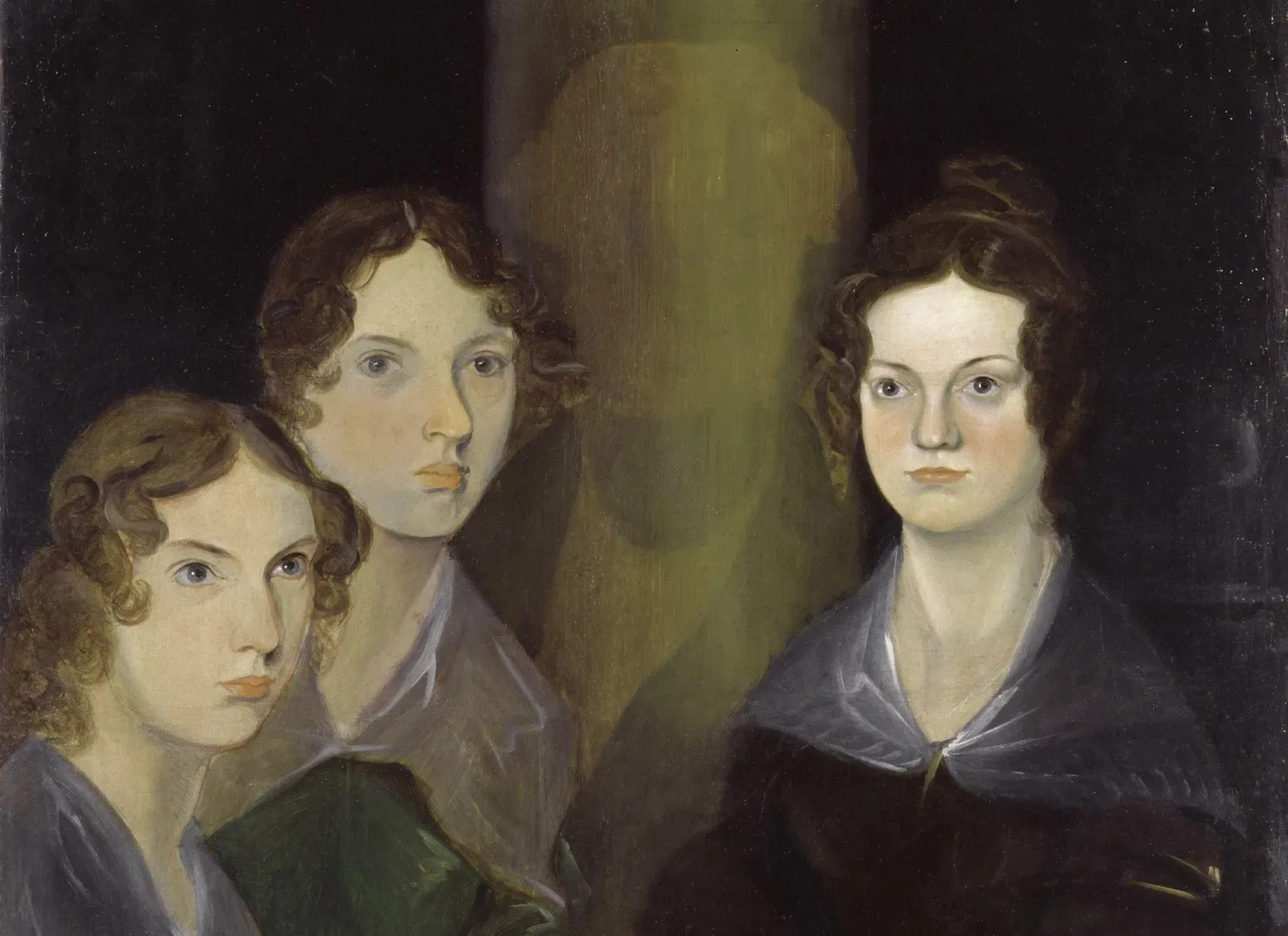
The Brontë sisters Charlotte, Emily, and Anne picked gender-neutral Currer, Ellis, and Acton Bell, respectively, as they believed their writing would not be taken seriously as women. This wasn’t paranoia. Some female authors have used male pen , particularly in the 19th century when writing was a highly male-dominated profession, and the Brontë sisters used pen so as not to reveal their gender and so that local residents would not suspect that the books related to people of their neighbourhood.
Let’s be real: the literary world of the 1840s wasn’t exactly a welcoming place for women. Anne Brontë’s The Tenant of Wildfell Hall was published under the name Acton Bell, while Charlotte Brontë used the name Currer Bell for Jane Eyre and Shirley, and Emily Brontë adopted Ellis Bell as cover for Wuthering Heights. Despite these obstacles, their novels became classics that defined an entire era of English literature.
Lewis Carroll: The Mathematician’s Fantasy World
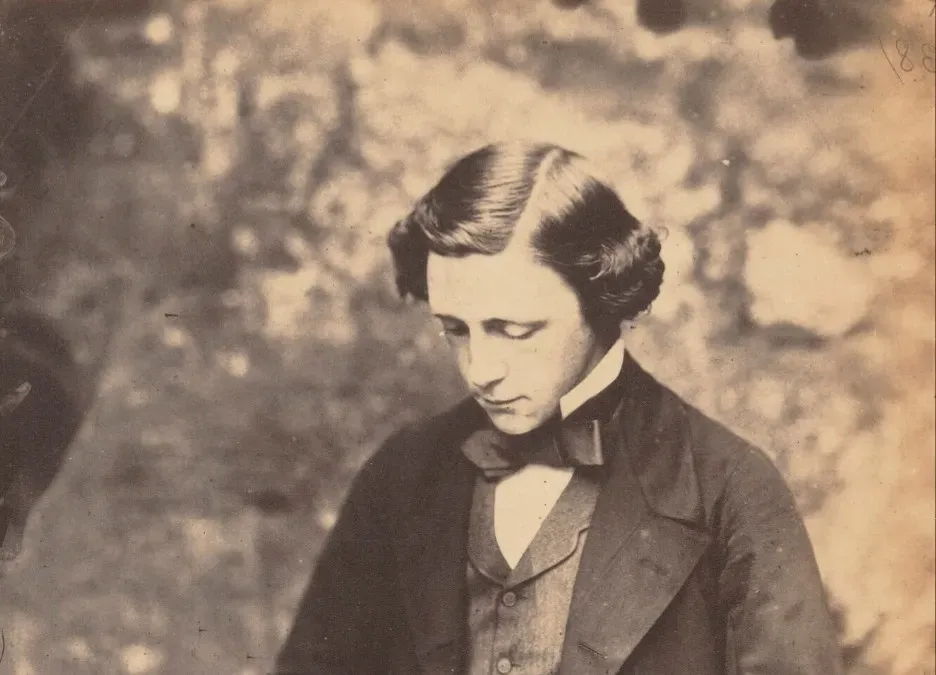
Charles Lutwidge Dodgson, better known by his author’s name Lewis Carroll, was the English writer who penned famous children’s book Alice’s Adventures in Wonderland, along with Through the Looking Glass. Charles Lutwidge Dodgson adopted his pen name to differentiate his whimsical, imaginative works from his job as a mathematician and academic, with these dual identities permitting Dodgson to experiment with fantastical writing while maintaining his scientific reputation.
Honestly, can you imagine a stuffy Oxford mathematics lecturer publishing wild tales about talking caterpillars and mad tea parties under his real name? The separation made sense. The School of Mathematics and Statistics at the University of St. Andrews, Scotland, concedes that mathematician Charles Lutwidge Dodgson was better known by his pen name and the literary genre with which the pseudonym is associated than for the books he wrote on mathematics under his given name. Carroll became more famous than Dodgson ever could have been.
Mary Ann Evans Becomes George Eliot
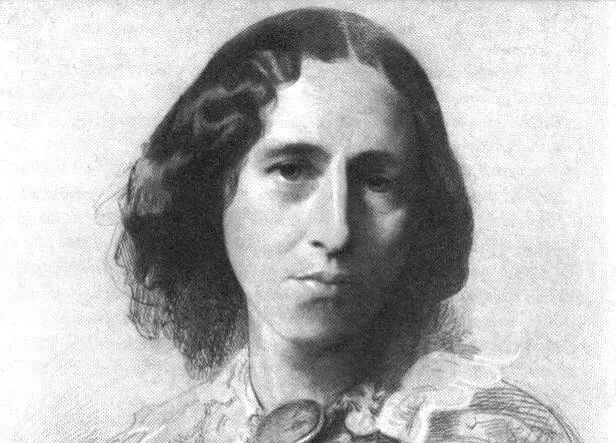
Like the majority of female writers in the 19th century, Mary Ann Evans used a male pseudonym so that her works would be taken more seriously, with her pen name George Eliot coming around 1857 when Evans published her first short story titled Amos Barton. Mary Ann Evans published works under the pseudonym George Eliot to avoid being pigeonholed into writing light romances and to also have her writing judged fairly and separately from her previous work as an editor and critic.
The strategy worked brilliantly. Her novels, including Middlemarch and Silas Marner, are now considered masterpieces of English literature. She took the masculine name seriously, even living openly with philosopher George Henry Lewes, which was scandalous at the time. The pen name gave her freedom to write complex, intellectually demanding fiction that probably would have been dismissed if readers knew a woman wrote it.
Mark Twain’s Riverboat Roots
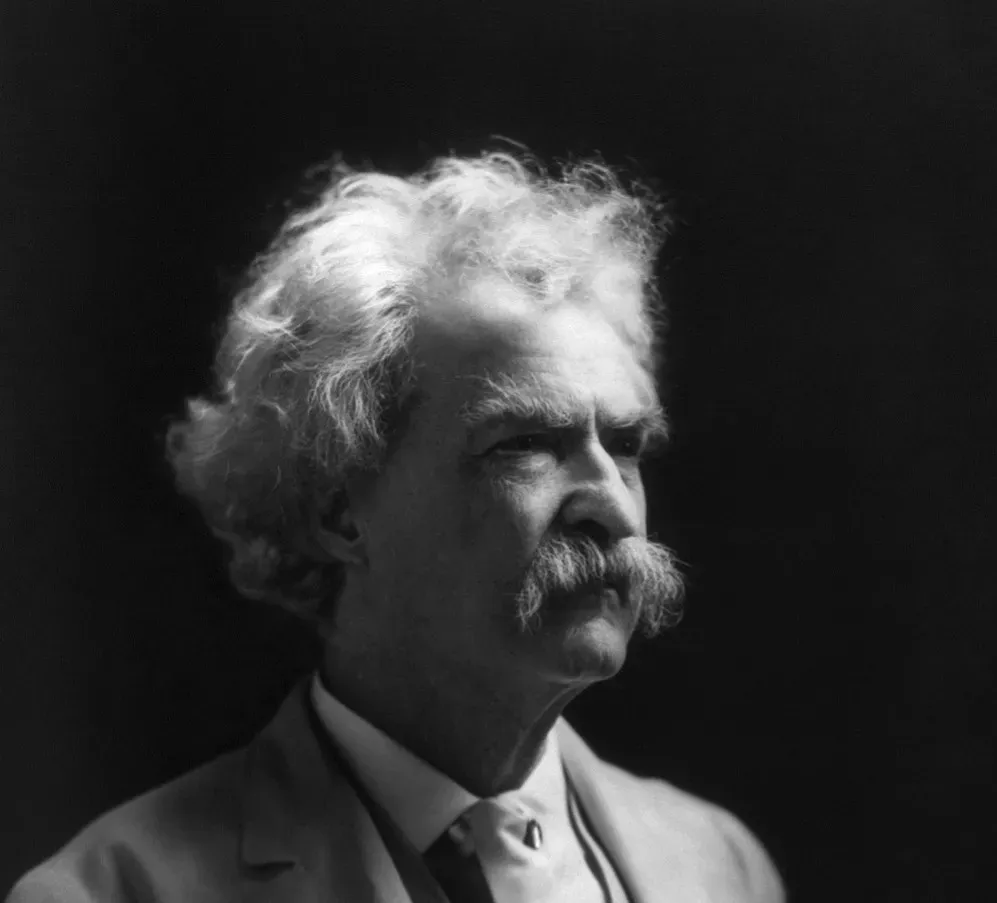
Samuel Langhorne Clemens, also known as Mark Twain, is a case where actual given and sur are less well-known than their adopted ones. While scholars have never been clear about the origin of Clemens’s pseudonym, the most recent investigations suggest that the name Mark Twain came from a short-lived, popular humor journal that he often read, though other stories indicate that Mark Twain had been used by Clemens’s former riverboat captain when he worked on the Mississippi river, where calling out mark twain meant a depth of twelve feet.
The name had a rugged, American authenticity that “Samuel Clemens” just couldn’t match. Whether he borrowed it from a riverboat term or a humor magazine, Twain became synonymous with American humor and social commentary. His works like The Adventures of Huckleberry Finn and The Adventures of Tom Sawyer defined American literature, and nobody thinks of him as anything but Mark Twain anymore.
Agatha Christie’s Romance Experiment
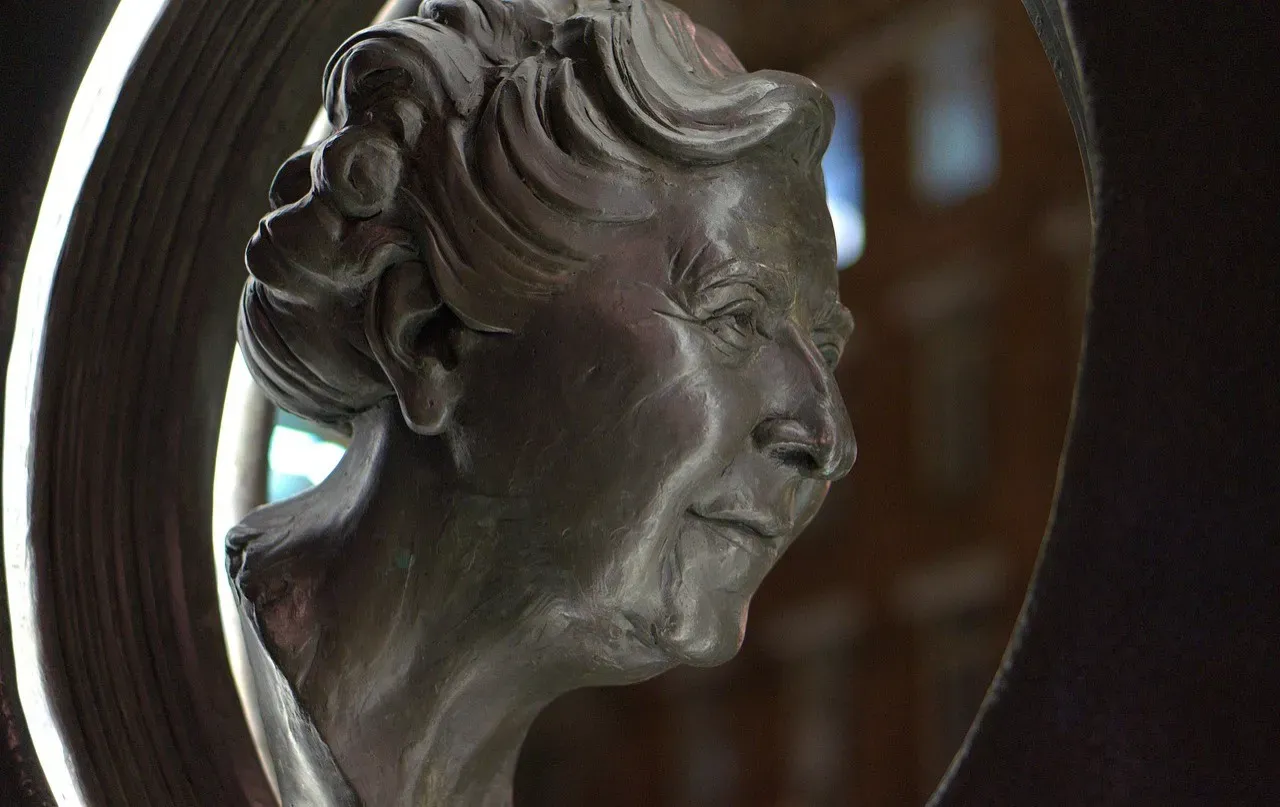
Agatha Christie has 66 detective novels under her belt and wrote six novels using the pen name Mary Westmacott, including Unfinished Portrait and The Burden. Agatha Christie, famous for her clever mysteries and crime novels, created the pen name Mary Westmacott in order to break into writing about psychology without dealing with expectations from her fanbase. She wanted to explore deeper emotional and psychological themes without readers expecting another Hercule Poirot mystery.
The Westmacott novels were a completely different beast from her mysteries. They dealt with romance, personal relationships, and inner turmoil in ways her detective fiction never could. It’s hard to say for sure, but the separation probably gave her creative freedom she wouldn’t have had otherwise. Readers who picked up a Christie book expected a puzzle to solve, not a meditation on marriage and identity.
Dr. Seuss: From Banned Student to Literary Icon
Theodor Seuss Geisel went by infamous title Dr. Seuss as an homage to his parents, but his use of a pen name started much earlier when he was banned from writing for his school’s humor magazine after being caught drinking by the dean. The “Dr.” part was a joke since he never actually earned a doctorate, though several universities later awarded him honorary doctorates, making the title retroactively legitimate in a roundabout way.
His whimsical children’s books, from The Cat in the Hat to Green Eggs and Ham, revolutionized children’s literature. The playful pseudonym matched the playful spirit of his work perfectly. Nobody reading those rhyming, illustrated stories wants to think about “Theodor Geisel.” Dr. Seuss sounds exactly like the kind of person who would invent the Lorax and the Grinch.
Daniel Handler’s Character Within a Character
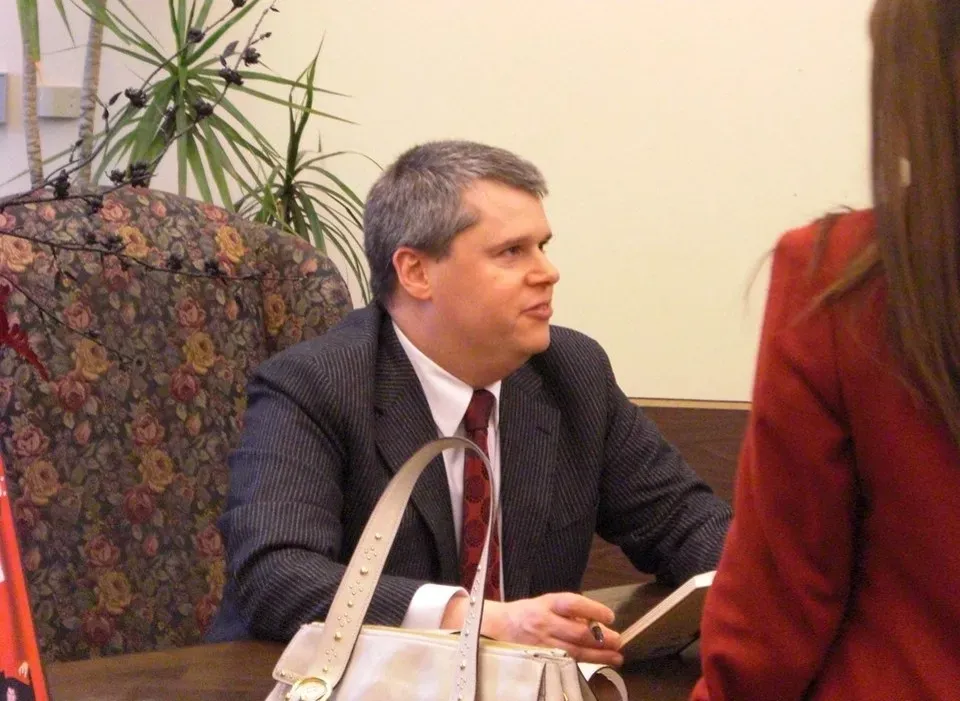
Daniel Handler is one of the few writers who use a pen name that actually appears in his books, with Lemony Snicket being both his writing pseudonym and a character in multiple books he wrote, and the author is best known for his work A Series of Unfortunate Events under the Lemony Snicket pseudonym. He originally chose to use a pseudonym to receive funny and offensive material from organizations without having to use his own name, with the pen name being a play on overly moral narrator Jiminy Cricket, whose outlook is greatly contrasted to the themes in Handler’s own works.
The metafictional element adds another layer to the already cleverly constructed stories. Snicket exists within the world of the Baudelaire orphans, documenting their misfortunes with dry wit and melancholy observations. Handler can be interviewed as himself while maintaining the fiction that Snicket is a separate person. It’s a brilliant literary trick that blurs the line between author and narrator in ways few other writers have attempted.
Why Authors Still Use Pseudonyms Today
A pen name may be used to make the author’s name more distinctive, to disguise the author’s gender, to distance the author from their other works, to protect the author from retribution for their writings, to combine more than one author into a single author, or for any of a number of reasons related to the marketing or aesthetic presentation of the work. Authors have adopted pen throughout history to navigate the difficult business of publishing and create personas that resonate with their readers, with pseudonyms allowing writers to take on a new character, whether to avoid societal bias, protect their privacy, or explore new genres.
The digital age hasn’t killed the pseudonym. If anything, it’s made them more relevant. Authors can build separate online platforms, engage with different audiences, and experiment without risking their established brand. The practice is alive and well in the modern publishing world. What do you think? Would you ever write under a different name, or do you believe authors should always own their work under their real identity?