James Joyce’s Ulysses: When Modernism Met the Courtroom
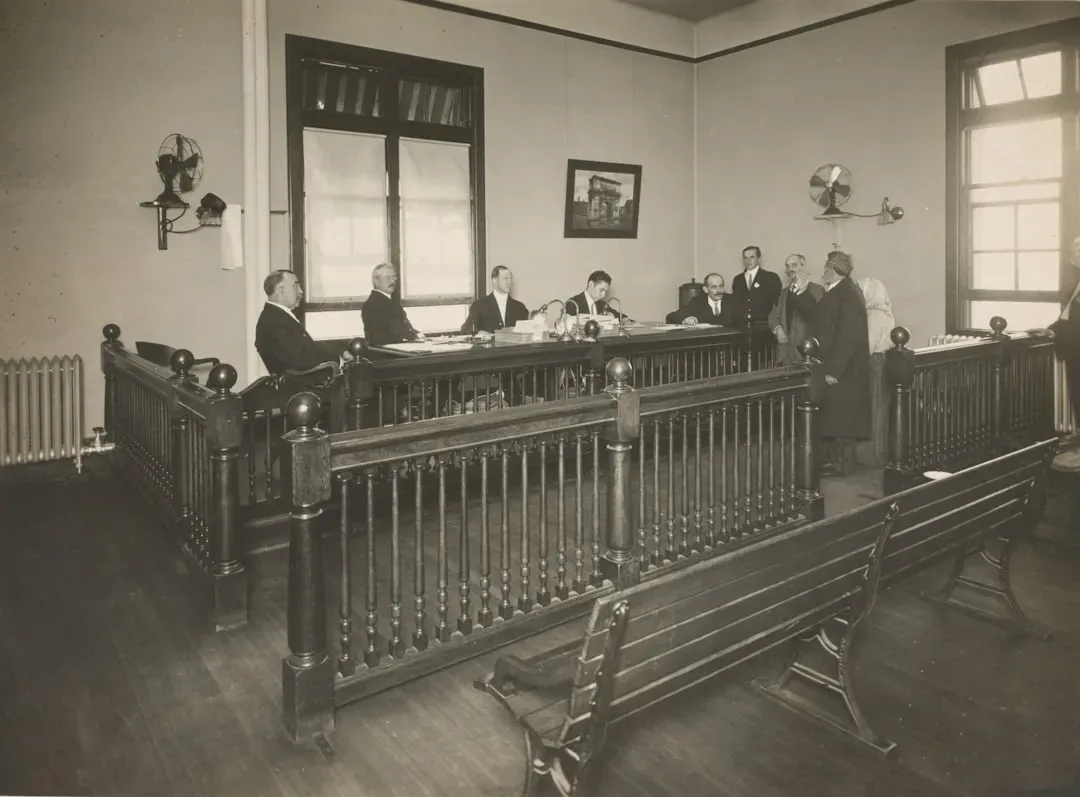
In 1933, James Joyce’s landmark novel Ulysses faced a pivotal obscenity trial in the United States District Court for the Southern District of New York, with Judge John Munro Woolsey ultimately ruling that the work was not obscene. The controversy surrounding this stream-of-consciousness masterpiece had been brewing since 1920, when its publication in the literary magazine The Little Review led to a criminal conviction. Woolsey’s decision opened the door to importation and publication of serious literary works that used coarse language or involved sexual subjects. His ruling fundamentally shifted how American courts evaluated literature, emphasizing artistic merit and intent rather than isolated passages.
D.H. Lawrence’s Lady Chatterley’s Lover: The Trial That Changed Britain
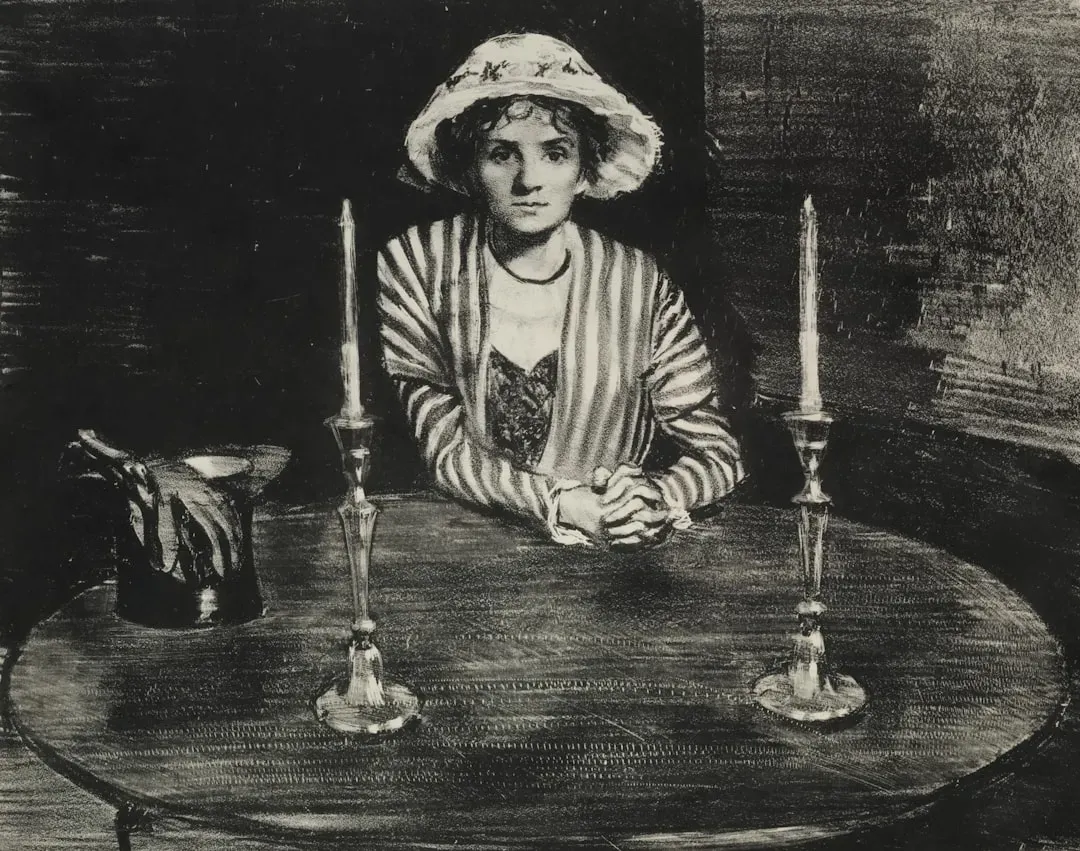
Penguin Books was prosecuted in the United Kingdom for publishing D.H. Lawrence’s 1928 novel Lady Chatterley’s Lover, with the trial taking place at the Old Bailey between 20 October and 2 November 1960, resulting in a unanimous jury verdict of not guilty. The trial was a test case of the defence of public good provision under section 4 of the Obscene Publications Act 1959, which was defined as a work “in the interests of science, literature, art or learning, or of other objects of general concern”. This watershed moment didn’t just free a single novel. The jury’s decision ushered in the liberalisation of publishing, and some saw it as the beginning of the permissive society in Britain.
Salman Rushdie’s The Satanic Verses: Religious Offense on a Global Scale
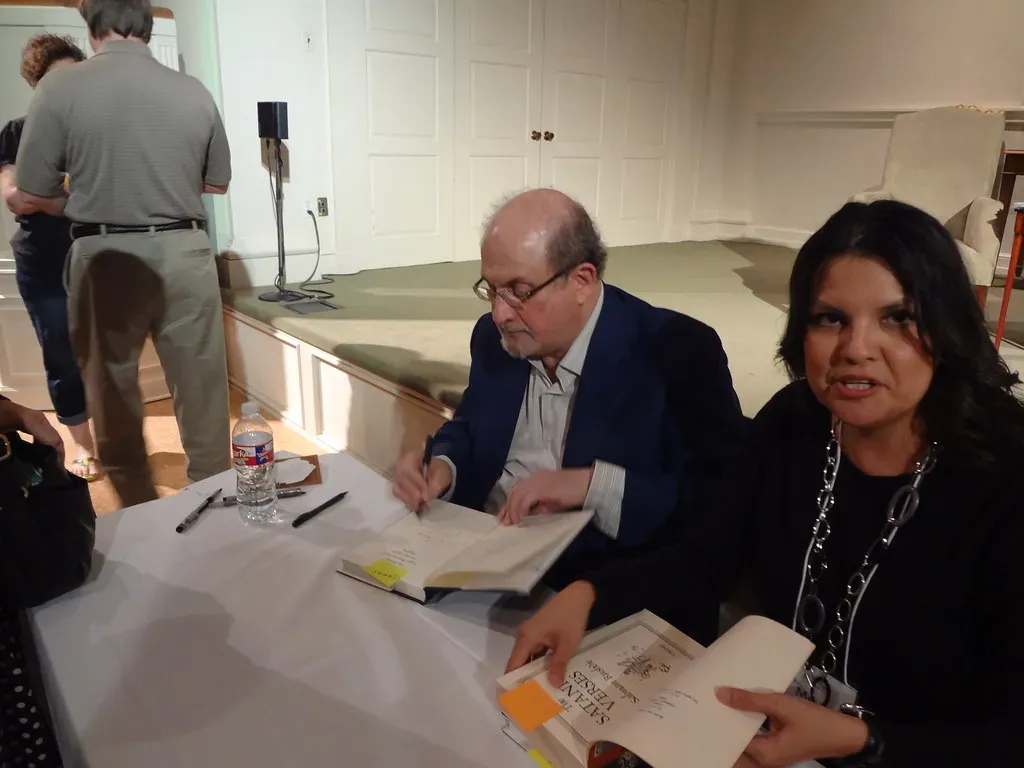
Pakistan banned The Satanic Verses in November 1988, shortly after the novel’s September publication. Within weeks, bans followed in Saudi Arabia, Egypt, Somalia, Bangladesh, Sudan, Malaysia, Indonesia, and Qatar. The reasons were clear: many Muslims considered the book blasphemous for its references to verses from Islamic tradition and its depiction of a prophet figure. The controversy escalated dramatically in February 1989 when Iran’s Ayatollah Khomeini issued a fatwa calling for Rushdie’s death, fundamentally transforming debates about censorship, religious violence, and free expression worldwide.
All Boys Aren’t Blue: The Most Challenged Book of 2024
George M. Johnson’s All Boys Aren’t Blue, a YA memoir about growing up Black and queer, surpassed Maia Kobabe’s Gender Queer to become the most challenged book of 2024. Pressure groups and government entities that include elected officials, board members and administrators initiated roughly three quarters of demands to censor books in school and public libraries, while parents only accounted for about one sixth of demands. The shift from individual parent complaints to organized campaigns represents a fundamental change in modern book censorship efforts, driven by coordinated activism rather than grassroots concerns.
Gender Queer: LGBTQIA+ Content Under Fire
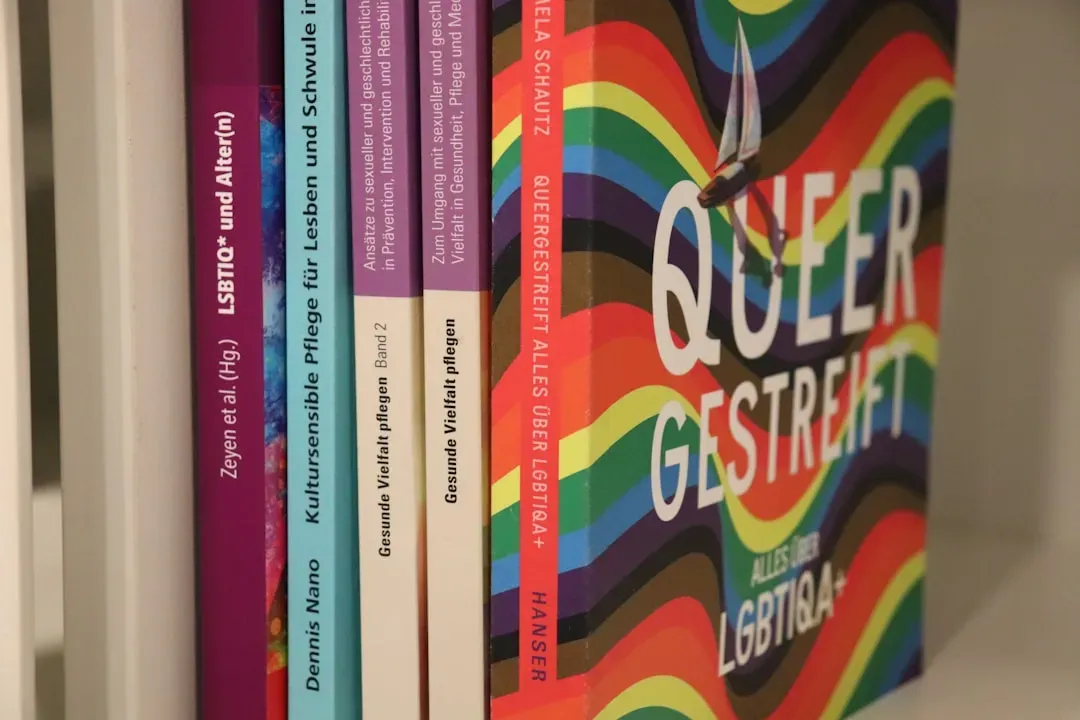
Maia Kobabe’s graphic memoir has appeared repeatedly on challenged book lists in recent years. The most common justifications for censorship provided by complainants were false claims of illegal obscenity for minors, inclusion of LGBTQIA+ characters or themes, and covering topics of race, racism, equity, and social justice. The book’s graphic novel format and frank discussion of gender identity make it a particular target. The 120 titles most frequently targeted for censorship during 2024 are all identified on partisan book rating sites which provide tools for activists to demand the censorship of library books, revealing how technology now facilitates organized censorship campaigns in ways that weren’t possible even a decade ago.
The Catcher in the Rye: Decades of Objections
J.D. Salinger’s 1951 novel has faced persistent removal attempts from school libraries for generations. The objections center on profanity and sexual references that many parents and school officials find inappropriate for young readers. Unlike newer challenges driven by organized groups, Catcher controversies typically emerge from local school boards responding to community concerns. Its longevity on challenged book lists demonstrates how certain works remain lightning rods across different eras, even as cultural attitudes shift. The novel’s protagonist, Holden Caulfield, continues to spark debates about adolescent rebellion, mental health, and what constitutes appropriate reading material for teenagers.
Toni Morrison’s The Bluest Eye: Depictions of Trauma
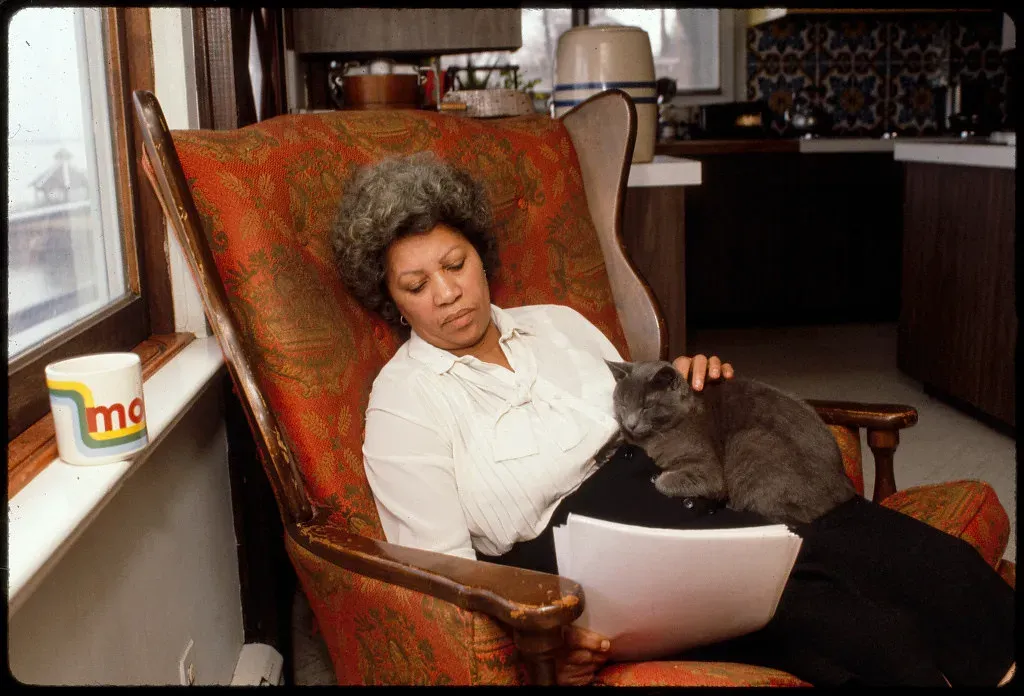
The Bluest Eye continues to be challenged, with reasons including depiction of sexual assault, depiction of incest, and claims that it is sexually explicit. Morrison’s 1970 debut novel examines racism and internalized self-hatred through the story of a young Black girl who longs for blue eyes. Other frequently challenged books include Maia Kobabe’s Gender Quear, Toni Morrison’s The Bluest Eye and Stephen Chbosky’s The Perks of Being a Wallflower. Critics of the book often focus on its unflinching portrayal of child sexual abuse and incest, arguing these scenes are too graphic for high school students, while defenders maintain the novel’s literary significance and its honest examination of trauma make it essential reading.
The 2023-2024 School Year: A Dramatic Surge in Bans
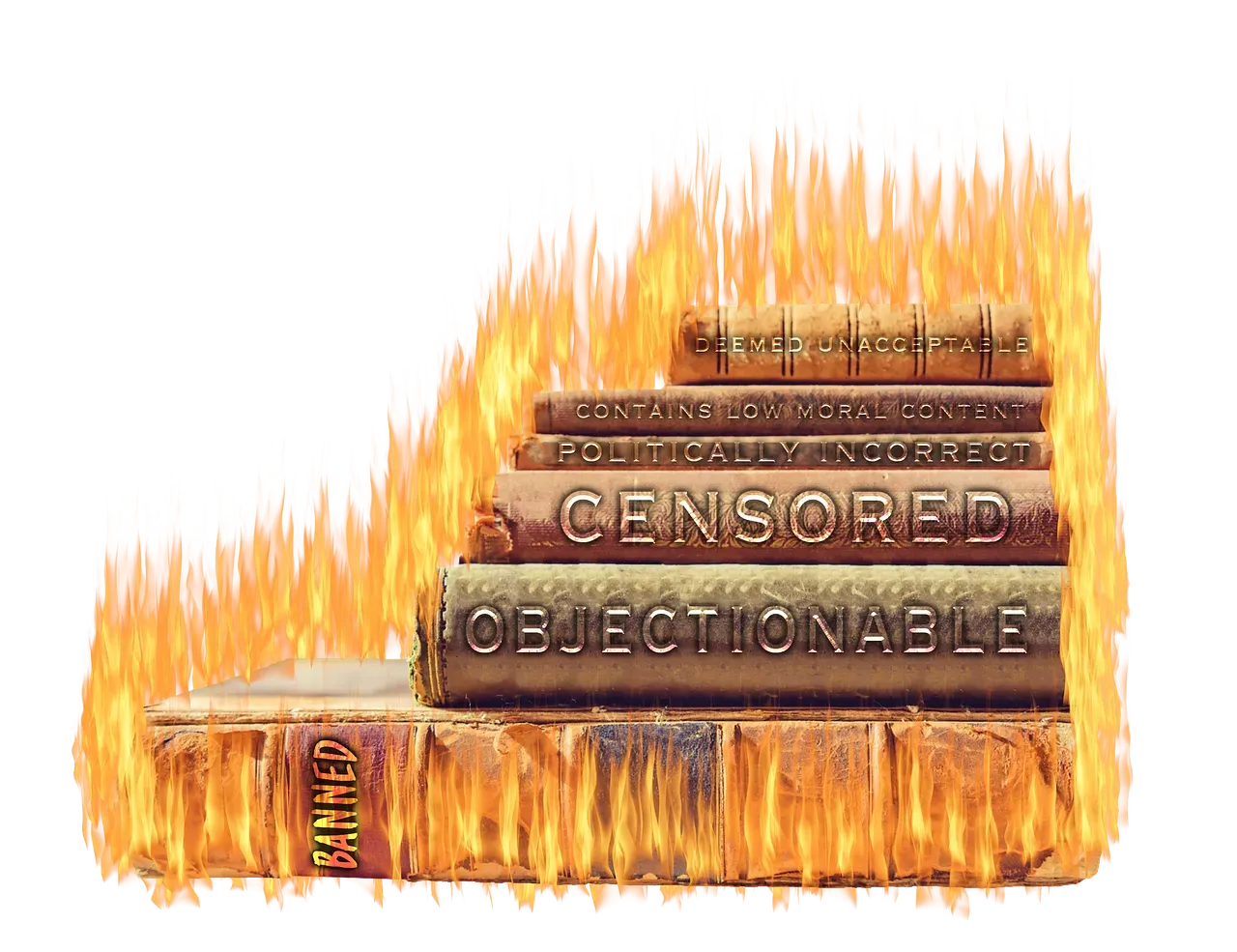
PEN America found 10,046 instances of individual books banned, affecting 4,231 unique titles during the 2023-2024 school year. This represented a nearly 200 percent increase over the previous year. Florida and Iowa led all states in K-12 book bans during the 2023-2024 school year due to laws in both states that censor books in public schools, with Florida banning over 4,500 books and Iowa banning over 3,600. State legislation, not individual parent concerns, drove the overwhelming majority of these removals, marking a significant shift in censorship tactics. PEN America’s analysis showed that bans have predominantly targeted books with themes related to race, sexuality, and gender identity.
Who’s Really Behind Modern Book Bans?
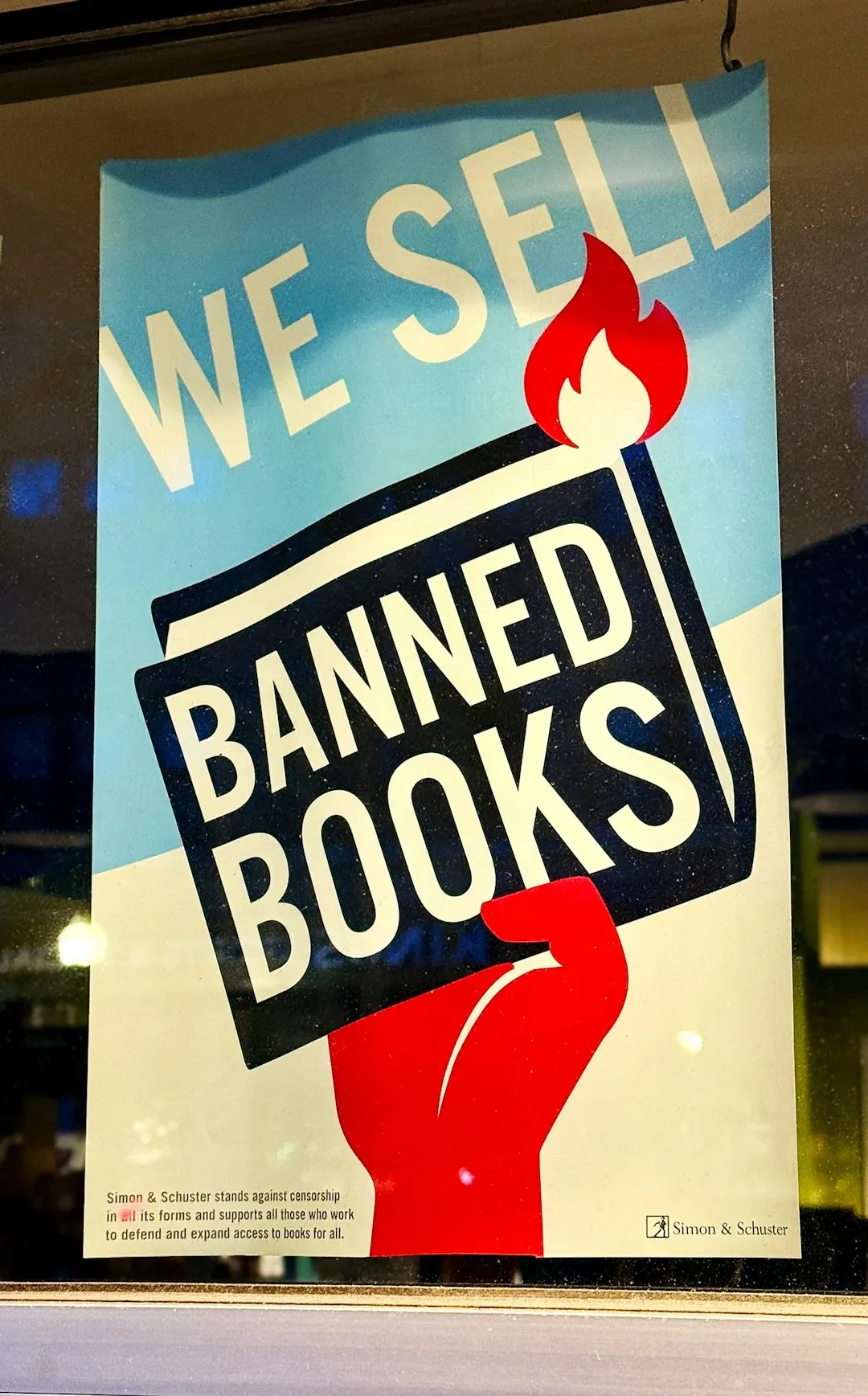
Pressure groups and government entities that include elected officials, board members and administrators initiated 72% of demands to censor books in school and public libraries, while parents only accounted for 16% of demands to censor books. This statistic demolishes the narrative that book challenges primarily represent grassroots parental concern. More than 70% of attempted bans come from organized groups and elected officials, with the most commonly criticized books found on websites and through lists compiled by Moms for Liberty and other conservative activists. The infrastructure for coordinated censorship campaigns has become increasingly sophisticated, turning what was once sporadic local action into systematic nationwide efforts.
Why These Books Matter: Marginalized Voices Under Attack
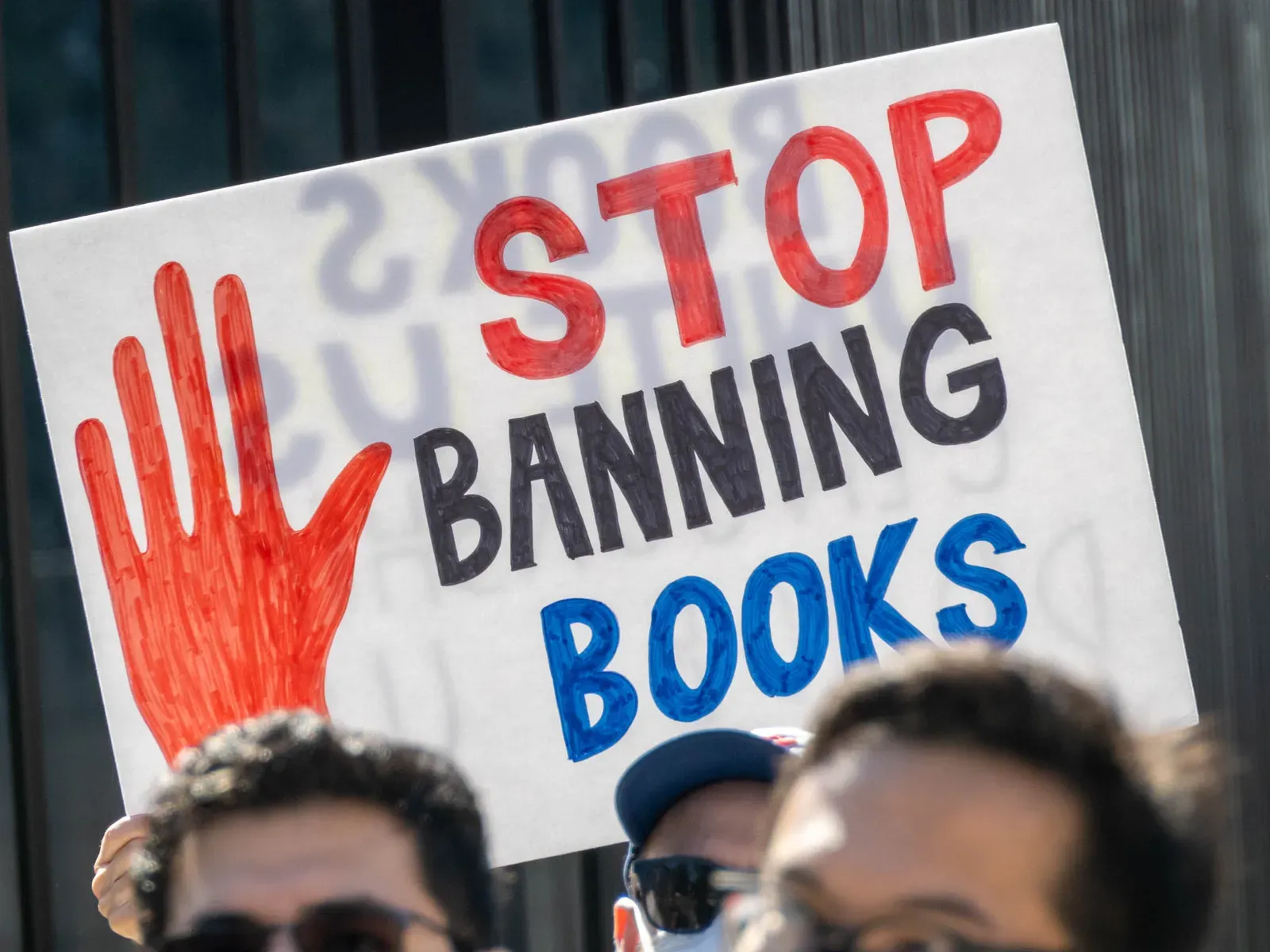
Reviewers found that 36% of the books banned during the 2023-2024 school year feature characters or people of color and 25% include LGBTQ+ people or characters. Let’s be honest about what’s happening here. Analysis showed that bans have predominantly targeted books with themes related to race, sexuality, and gender identity, revealing a clear pattern of whose stories are deemed threatening. The books being removed aren’t random selections. They’re works that allow young people to see themselves reflected or to understand experiences different from their own. When libraries lose these titles, they lose the ability to serve all members of their communities equally. The censorship campaign isn’t really about protecting children from explicit content; it’s about controlling which narratives and identities are considered acceptable in public spaces.