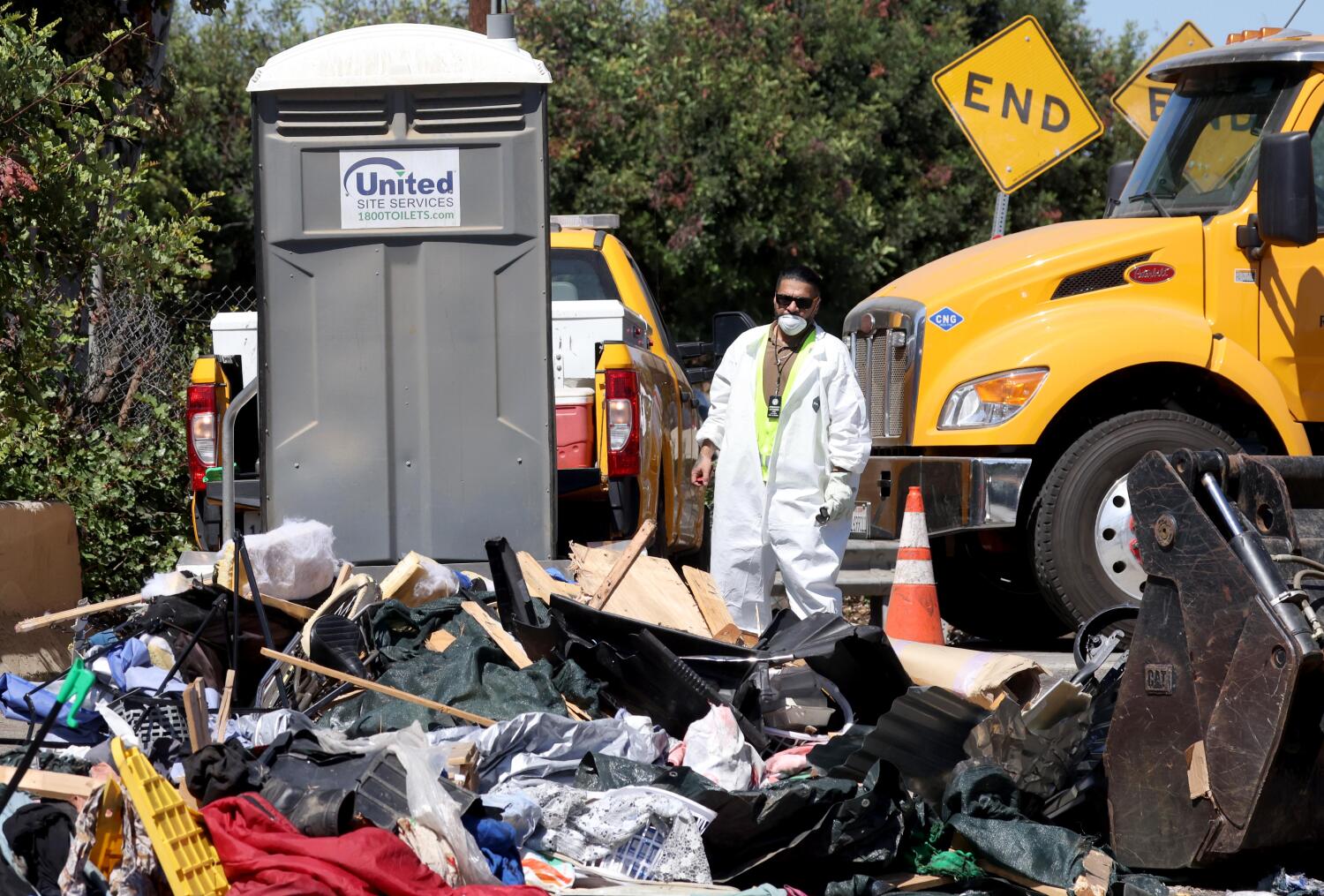
Shocking Revelation in Cleanup Documentation (Image Credits: Ca-times.brightspotcdn.com)
Los Angeles – A federal judge ruled that the city bears responsibility for violating the Constitution through the destruction of homeless individuals’ personal property during encampment cleanups.
Shocking Revelation in Cleanup Documentation
Records from more than 100 camp cleanups came under intense scrutiny in a related lawsuit. The judge discovered that city officials had modified or even fabricated documentation tied to these operations. This misconduct undermined the integrity of the evidence presented.
Such alterations prevented any possibility of a fair trial. The ruling highlighted a pattern of irregularities that spanned numerous sweeps. Court proceedings exposed how these changes distorted the factual record of property seizures.
Lawsuit Centers on Property Rights
The case stemmed from complaints by homeless residents whose belongings were seized and discarded. City policies mandated cleanups of encampments, but plaintiffs argued these actions disregarded due process. Federal oversight revealed systemic issues in how possessions were handled.
Personal items, from documents to clothing, faced routine destruction without adequate notice or storage. The judge’s examination confirmed that standard procedures failed to protect constitutional safeguards. This led directly to the liability determination.
Constitutional Violations Exposed
The court explicitly found that Los Angeles infringed on protected rights under the Constitution. Seizures without proper justification amounted to an unlawful taking of property. The fabricated records compounded the offense by obstructing justice.
Liability now rests with the city for the value of lost items. This decision sets a precedent for how municipalities conduct such operations. Future cleanups may require stricter protocols to avoid similar outcomes.
Ramifications for Urban Homeless Policies
Municipal leaders must now address the fallout from this judgment. Enhanced training and transparent record-keeping could prevent recurrence. Advocacy groups hailed the ruling as a step toward accountability.
Homeless services in Los Angeles face renewed pressure to balance public safety with individual rights. The decision prompts a reevaluation of encampment management strategies across the region.
Key Takeaways
- City records from over 100 cleanups were modified or fabricated, tainting evidence.
- No fair trial was possible due to the extent of documentation irregularities.
- Los Angeles violated the Constitution and holds liability for destroyed property.
This ruling underscores the need for ethical practices in addressing homelessness. Cities everywhere should take note to protect vulnerable populations. What steps should L.A. take next? Share your thoughts in the comments.