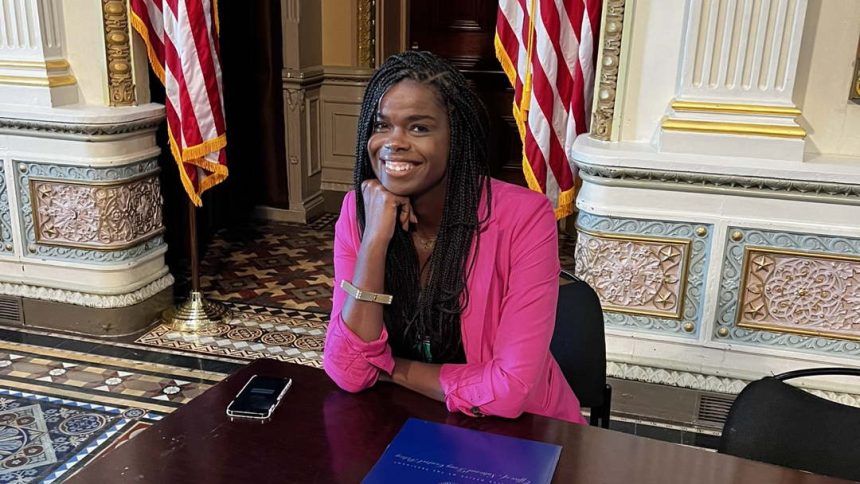
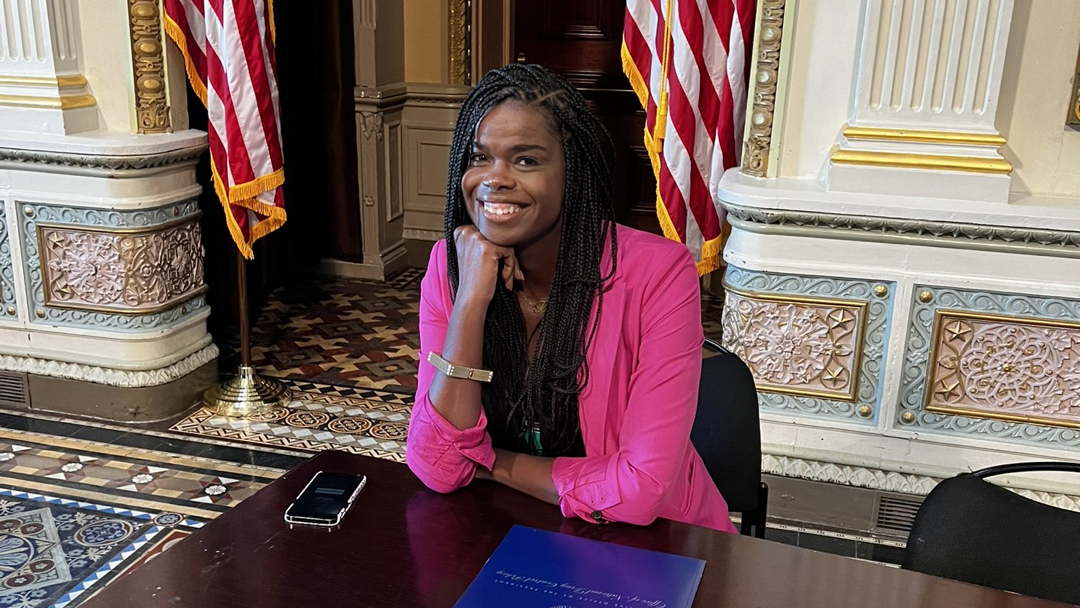
Unexpected Scrutiny for a High-Profile Prosecutor (Image Credits: Cwbchicago.com)
Chicago – A federal judge directed former Cook County State’s Attorney Kim Foxx to sit for a deposition in lawsuits tied to alleged wrongful convictions from decades ago.[1]
Unexpected Scrutiny for a High-Profile Prosecutor
U.S. Magistrate Judge Young B. Kim issued the order on February 20, requiring Foxx to field questions under oath for at least four hours from attorneys representing the city and former detective Reynaldo Guevara. An extra hour allows follow-up from the plaintiffs’ lawyers. The session could be video-recorded, though the footage remains confined to court use only. This development arises in consolidated civil rights cases filed by two women who spent years behind bars for 1992 murders in Humboldt Park.[1]
The ruling pierces Foxx’s earlier resistance to testifying, spotlighting potential conflicts in how her office handled post-conviction reviews. City lawyers argue the deposition will clarify decisions that shifted from defending convictions to seeking their reversal. Until late 2022, the Cook County State’s Attorney’s Office had upheld the validity of these cases. The change followed private discussions that raised eyebrows among defendants in the suits.
Roots in Humboldt Park Murders
Madeline Mendoza and Marilyn Mulero faced first-degree murder convictions in 1993 for the killings of Hector Reyes and Jimmy Cruz, described as rival gang members. Both women pleaded guilty after police and prosecutors alleged they acted with a teenage accomplice. Mendoza received a 35-year sentence and walked free in 2009. Mulero initially drew a death sentence, later commuted by Governor J.B. Pritzker in 2020 after 28 years served.[1]
Certificates of innocence came later: Mendoza in 2023 and Mulero in 2024. The women then launched 2023 lawsuits against Chicago and Guevara, claiming coerced confessions and illegal tactics. Guevara faces accusations of misconduct in dozens of cases, with the city already paying out $159 million in related settlements. Many claims linger in courts.
Private Talks and Policy Shifts
Questions center on meetings from 2020 to 2022 between Foxx, her staff, and representatives from the Exoneration Project, a University of Chicago Law nonprofit. Eight of its attorneys, including executive director Josh Tepfer, double as staff at Loevy & Loevy, a firm known for wrongful conviction suits against the city. The group’s site notes frequent collaboration with the firm’s lawyers.[1]
These sessions contributed to a new “Guevara Case Review Protocol” in Foxx’s office. Tepfer reportedly emailed thanks for her agreement not to fight innocence certificates in such matters. Foxx publicly credited an internal probe by the Conviction Integrity Unit for vacating eight convictions, including Mulero’s, without referencing the nonprofit. Critics see a blurred line between prosecution oversight and advocacy.
| Plaintiff | Conviction Year | Release/Commutation | Innocence Certificate |
|---|---|---|---|
| Madeline Mendoza | 1993 | 2009 | 2023 |
| Marilyn Mulero | 1993 | 2020 (commuted) | 2024 |
Guevara’s Legacy Looms Large
Reynaldo Guevara, the ex-detective at the suits’ heart, embodies persistent challenges in Chicago policing. Allegations portray him steering dozens of cases through fabricated evidence or pressure. Payouts have mounted steadily, hitting $159 million by early 2026. The city defends ongoing litigation costs while probing patterns.[1]
Foxx’s office reversed course abruptly in late 2022, aligning with broader scrutiny of old convictions. Yet the timing and influences prompt deeper inquiry. Defendants seek transparency on how advocacy groups shaped prosecutorial choices.
Key Takeaways
- Foxx faces at least five hours of deposition on her role in conviction reviews.
- Exoneration Project lawyers hold dual roles with a firm suing the city repeatedly.
- Chicago has spent $159 million settling Guevara-related claims.
This ruling underscores tensions between reform efforts and accountability in Chicago’s justice system, where past errors demand rigorous examination. As the deposition unfolds, it may reveal more about influences behind pivotal decisions. What do you think about these potential conflicts? Tell us in the comments.