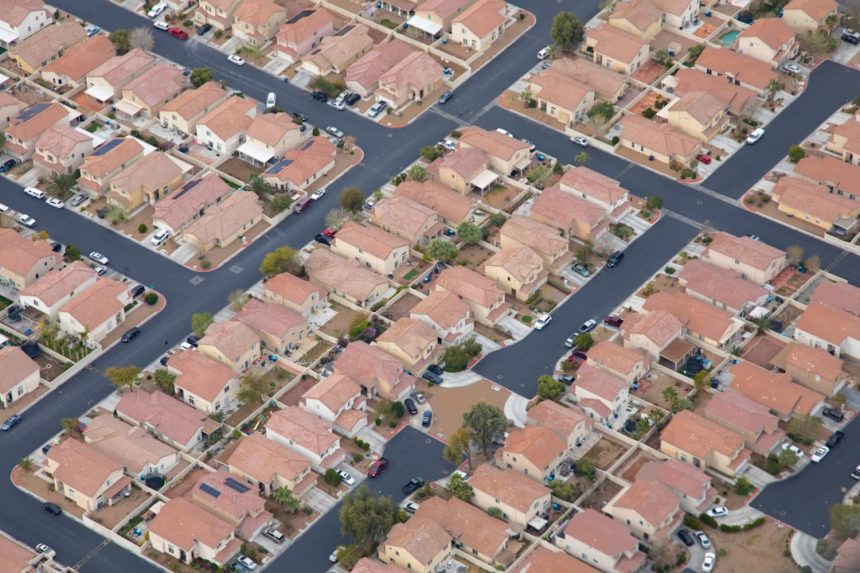
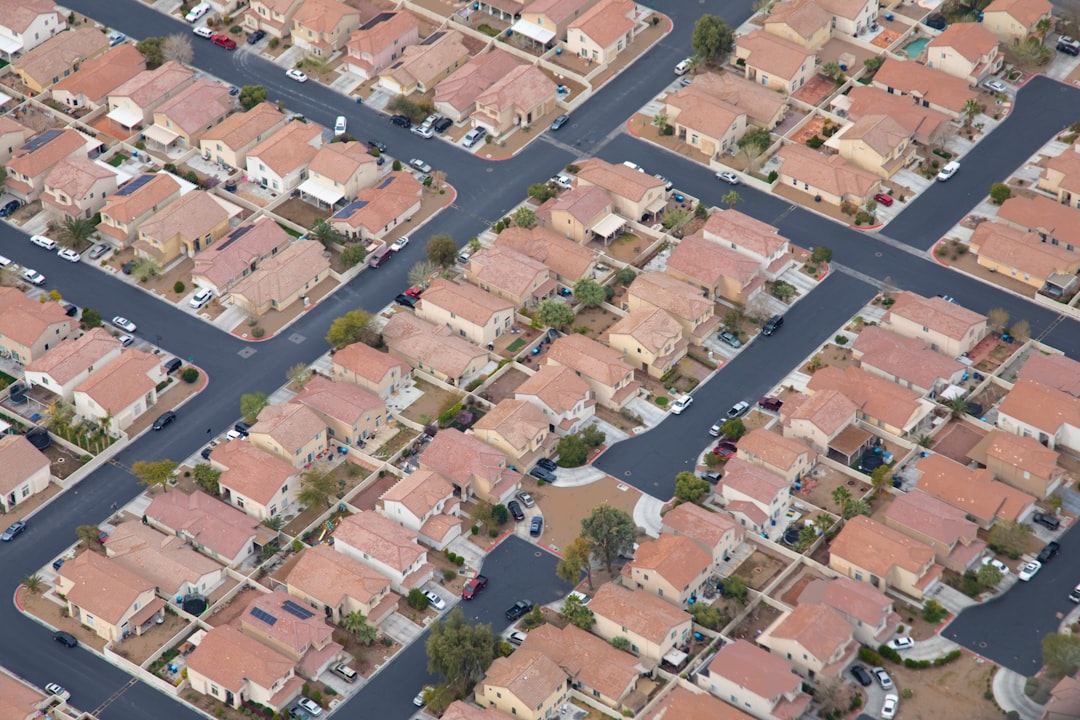
Nearly 90 Percent of Clark County Land Stays in Federal Hands (Image Credits: Unsplash)
Southern Nevada – Skyrocketing home prices burden families and workers as federal policies restrict land supply and tack on extra costs for development.
Nearly 90 Percent of Clark County Land Stays in Federal Hands
The federal government controls approximately 90 percent of Clark County’s more than 5 million acres, leaving local builders scrambling for scarce parcels suitable for housing.[1][2]
This dominance stems from agencies like the Bureau of Land Management, which manages vast tracts across Nevada, the state with the highest share of federally owned land at over 80 percent. Clark County alone holds about 4.5 million federal acres, dwarfing private holdings. For the Las Vegas Valley’s 2.3 million residents, this setup creates a bottleneck. Builders report that developable land could vanish within eight to ten years at current rates of roughly 2,500 acres per year.[3]
Population growth compounds the pressure. Projections show Southern Nevada adding 380,000 residents over the next decade, demanding hundreds of thousands of new units. Yet federal oversight limits rapid expansion, pushing land values higher amid steady demand.
Minimal Land Sales Ignite Fierce Bidding Wars
The Bureau of Land Management released just 232 acres across 22 small parcels in its first sale under the Southern Nevada Public Land Management Act in over two years, a mere 0.005 percent of its holdings.[1]
These fragmented lots, unsuitable for large master-planned communities, sparked competition among developers. Appraisals pegged values at $400,000 to $600,000 per acre, with final bids likely exceeding those figures. Such rationing mimics a monopoly strategy, experts argue, maximizing revenue while stifling supply. The result filters down to homebuyers, inflating lot costs that builders pass along.
Nevada faces a statewide housing deficit exceeding 100,000 units. Median single-family home prices hit $448,000 by late 2025, a 40 percent jump since 2020. Without broader releases, Las Vegas Valley buildable land depletes by 2032, per builder analyses.[3]
Auction Contractor Fees Add Insult to Injury
Online auctions through contractor Efficient Markets impose a 1.5 percent commission, potentially totaling $1.4 million to $2 million per sale on top of high land prices.[1]
Critics call these fees arbitrary and avoidable. The SNPLMA Special Account, flush with over $1 billion from prior sales, reimburses such expenses under the law. Charging buyers anyway burdens developers unnecessarily. Every added dollar raises the price of homes, storefronts, and schools in the region.
Former BLM employee Mike Ford highlighted this practice as prioritizing revenue over public needs. Bipartisan lawmakers push bills like the Southern Nevada Economic Development and Conservation Act to prioritize affordable housing on released lands, but progress stalls.
Ripple Effects Demand Urgent Policy Shifts
The land crunch hampers economic diversification beyond tourism, stalls job growth, and prices young families out of the market. Builders cannot meet demand for workforce housing amid these constraints.
- Federal ownership blocks infrastructure like roads and utilities on prime sites.
- Small parcel sales favor speculators over large-scale affordable projects.
- Environmental concerns slow approvals, even as infill on 78,000 acres of underused urban land lags.
- State leaders like Gov. Joe Lombardo urge faster BLM partnerships.
Reforms could include quarterly sales of larger tracts, fee waivers from the Special Account, and congressional oversight to balance conservation with community needs. SNPLMA has generated $4 billion for parks and water since 1998, proving balanced approaches work.
Key Takeaways
- Federal agencies own 88-90% of Clark County land, rationing releases to tiny parcels.
- Developable land runs dry by 2032 without action, amid 100,000+ unit shortage.
- Auction fees of 1.5% add millions unnecessarily, despite $1B+ reimbursement fund.
Southern Nevada’s path to relief lies in unleashing more land responsibly while curbing avoidable costs—a fix that could restore affordability for millions. What steps should policymakers take next? Share your thoughts in the comments.