Picture yourself surrounded by thousands of people, the bass thumping through your chest, the sun beating down, and the energy so electric you can almost taste it. Festivals are meant to be unforgettable. They’re those moments where you lose yourself in music, art, food, and pure celebration. Yet beneath all that excitement lies a responsibility we often overlook until something goes wrong. The truth is, festivals come with risks that most of us would rather not think about when we’re planning our outfits and counting down the days.
At least 175 people have died at music festivals across the United States since 1996, a sobering statistic that reminds us these events aren’t always as carefree as they seem. From crowd crushes to heat exhaustion, from security lapses to medical emergencies, the dangers are real. Still, I know you’re not about to skip your favorite festival because of statistics. You shouldn’t have to.
Understanding Crowd Dynamics and Crush Prevention
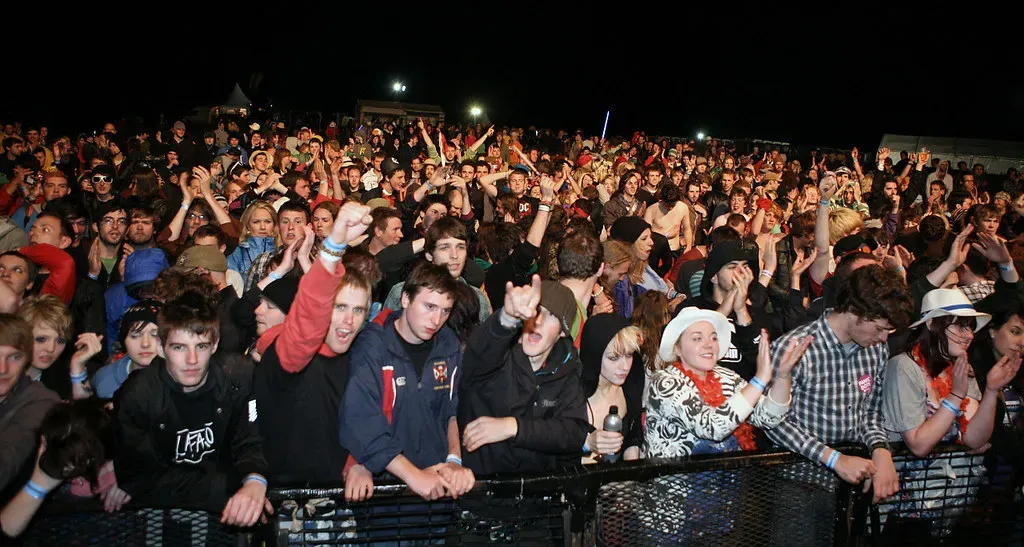
Festival safety measures have come under intense scrutiny since the November 2021 Astroworld Festival crowd surge that killed 10 concertgoers and injured hundreds. That tragedy shocked the world, yet crowd crushes aren’t new. What many don’t realize is that these incidents aren’t caused by panic or stampeding in the traditional sense. A crowd crush occurs when too many people press into a small area, and when people get packed in too tightly, their lungs start compressing, resulting in life-threatening asphyxia.
Experts warn that when densities exceed about six to seven people per square meter, movement becomes restricted and the risk of dangerous crush soars. If you’re in a crowd and suddenly can’t move your arms freely or feel pressure building around you, that’s your signal to get out. The CDC advises working your way diagonally to the edge of the crowd when there’s a lull in movement and not resisting the force of the crowd. Fighting against the wave of people will only exhaust you and put you at greater risk.
Recognizing Warning Signs Before It’s Too Late
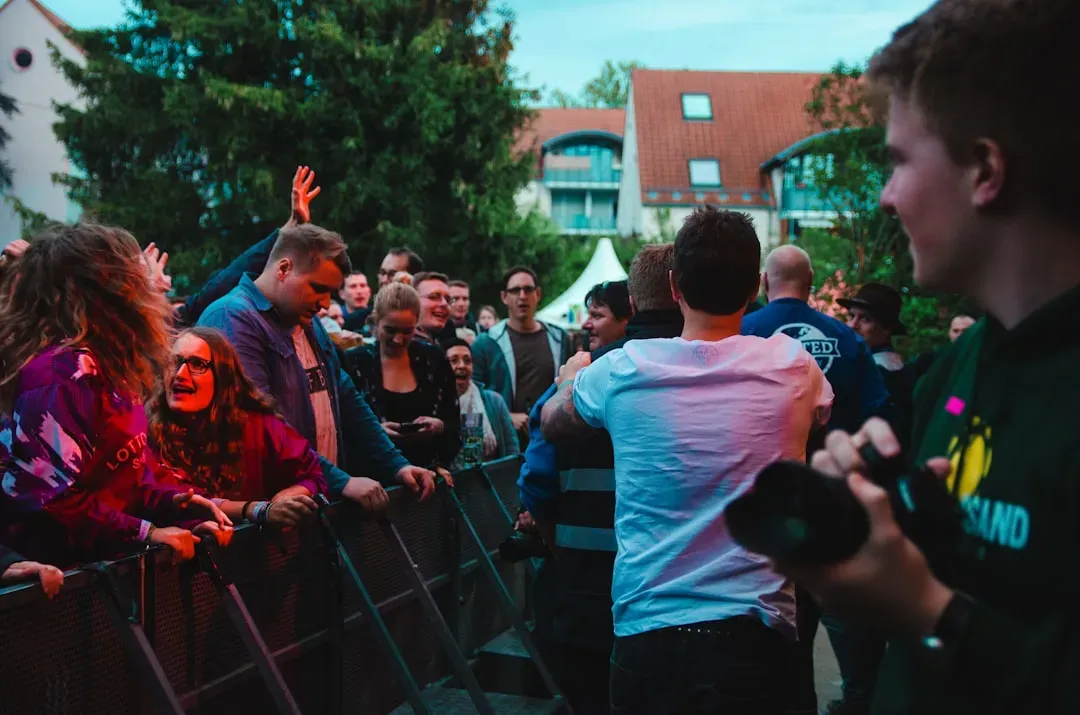
Here’s the thing most festival guides won’t tell you outright. Your gut feeling matters more than your desire to be close to the stage. When you start to feel uncomfortable in a crowd, this is the time to start looking at leaving, even though it’s difficult because you’ve traveled a long distance or waited for a long time. I’ve been in situations where the crowd felt wrong, and leaving early meant missing a song or two but potentially avoiding something far worse.
Watch for these red flags: people struggling to breathe around you, fans being pulled over barriers repeatedly by security, or a sudden inability to lift your arms. Stay aware of your surroundings, keep scanning the crowd, avoid getting stuck in areas that feel too packed, and if you see pushing, hear shouting, or feel unsafe, leave the area before it escalates. The music will still be there tomorrow on Spotify, but your safety won’t get a second chance.
Heat Stress and Dehydration Risks
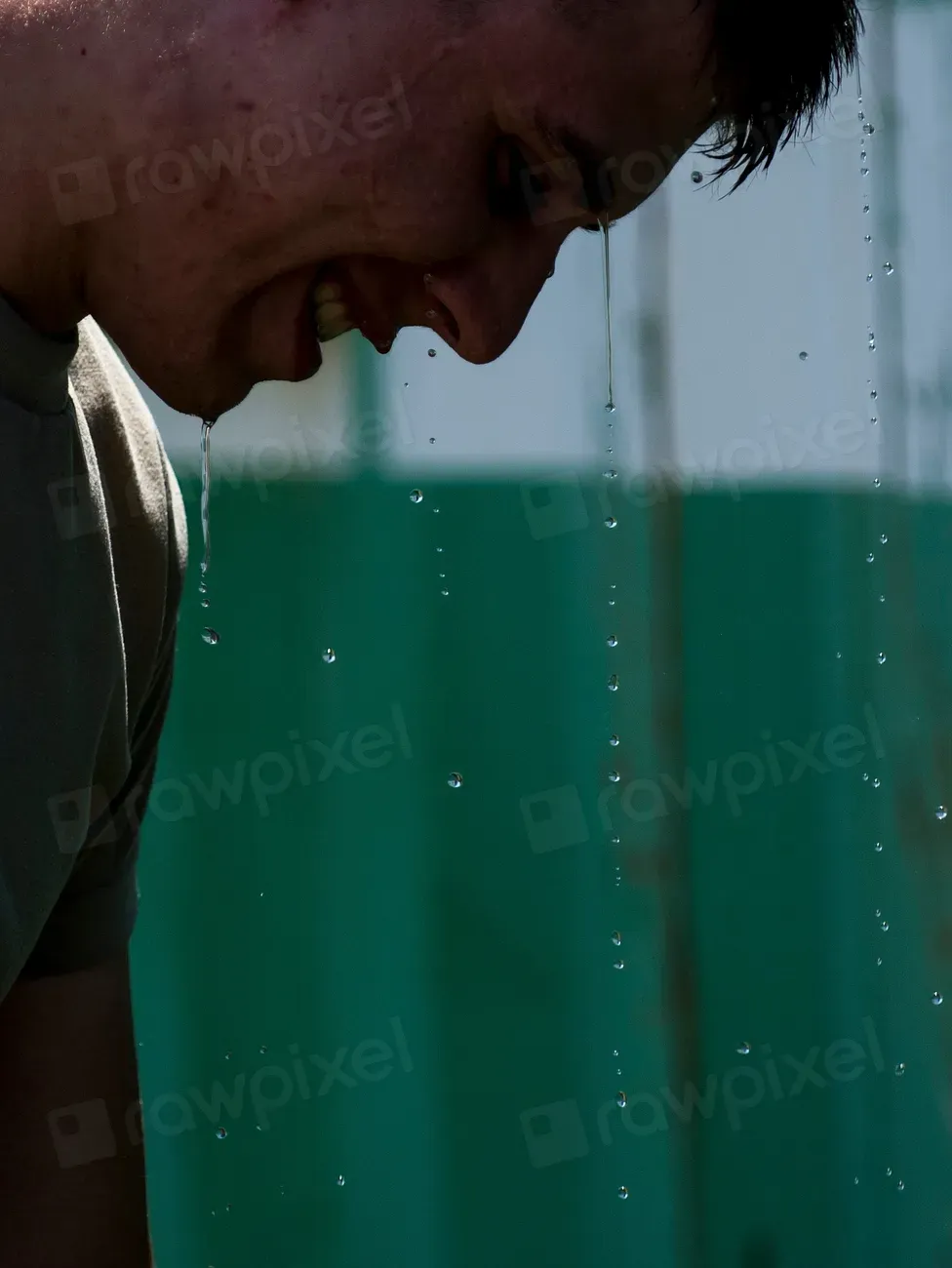
In the United States, there were approximately 1,602 heat-related deaths in 2021, 1,722 in 2022, and 2,302 in 2023, showing an alarming upward trend. Festivals often take place during peak summer heat, and when you combine scorching temperatures with dancing, alcohol, and hours of sun exposure, you’ve got a recipe for disaster. Symptoms of dehydration range from headaches, dizziness, dry mouth, and fatigue to heat exhaustion or heat stroke, which can be life-threatening.
Let’s be real about this. Water isn’t exciting. Drinking it consistently isn’t glamorous. Taking breaks in the shade feels like you’re missing out. Yet these simple actions can literally save your life. Carry a reusable water bottle and refill it frequently at the free water stations typically provided at festivals, drinking consistently throughout the day even if you don’t feel thirsty.
When you sweat a lot, you lose essential salts and minerals, and drinking water alone might not be enough, so consider adding electrolyte tablets or powders to your water, or consume sports drinks. Think of your body like a car engine running on a hot day. It needs coolant, not just gasoline.
The Reality of Medical Emergencies at Festivals

There were over 400 medical events during Sunday’s concerts at Boston Calling 2024, which made up half the total calls from the three-day event. That’s staggering when you think about it. Festival medical tents aren’t there for decoration. The most common cause of death at music festivals is drug overdose, with many festival goers underestimating how much MDMA increases the body’s temperature, which when combined with outdoor temperatures in the hundreds and limited water access commonly leads to intoxication.
Whether you choose to partake in substances or not, understanding the medical landscape matters. A survey of 2,305 participants at 23 festivals in Victoria reported that almost half had recently used drugs and 24 percent intended to take illicit drugs at the next festival. The numbers don’t lie about prevalence, which means you should know where medical help is located before you need it. Check online maps and save a screenshot to your phone to help you easily locate entrances, exits, designated meeting points, security, and first aid stations.
Smart Strategies for Personal Security
Seventy percent of women have felt concerned for their safety at a music festival, a statistic that speaks volumes about the environment we’re often celebrating in. Personal security isn’t just about avoiding theft, though that matters too. It’s about maintaining awareness in an environment designed to make you lose yourself. In busy areas, cell service can become overloaded, meaning your calls or texts may not go through, so pick a designated meeting spot ahead of time in case you get separated.
Travel in groups when possible, especially at night or when moving between stages and camping areas. Keep your phone charged or bring a portable battery pack. Drink spiking is unfortunately a real risk at crowded events, so keep your drink covered and within your line of sight at all times, and don’t accept drinks or food from people you don’t trust. It sounds paranoid until it happens to someone you know.
Protecting Yourself from Crowd Crush Situations
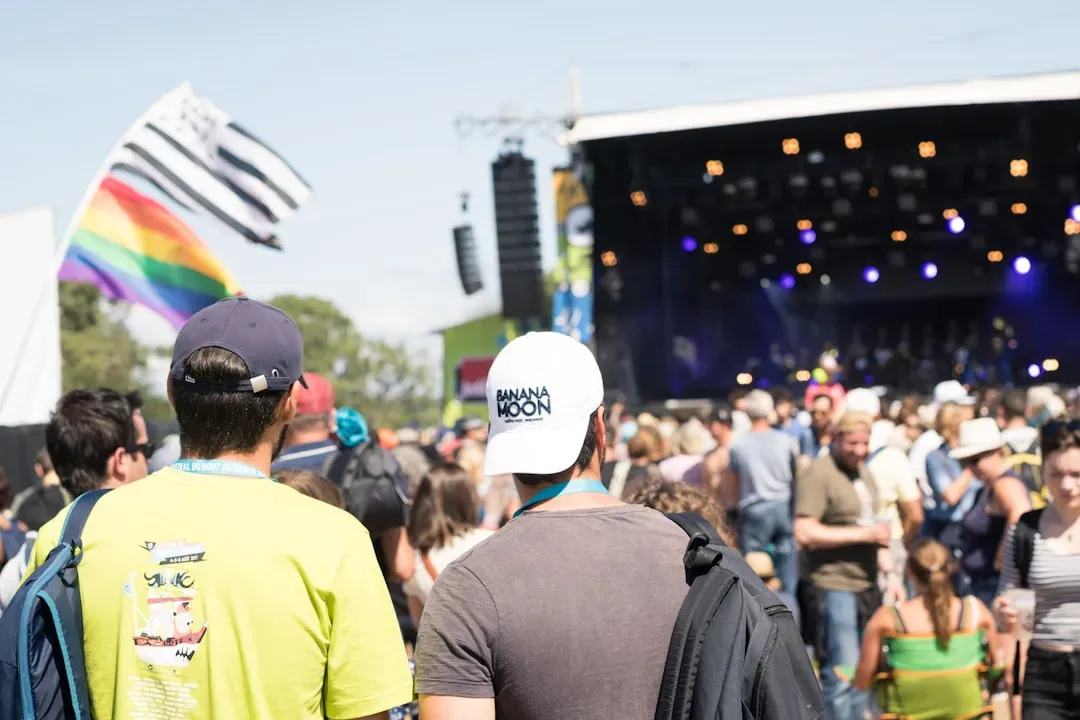
If you find yourself caught in a dangerous crowd situation, knowing what to do could mean the difference between walking away unscathed or becoming a statistic. If you are caught in a crowd crush, keep your arms around your rib cage in a boxer stance to keep your lungs from being crushed. This creates a pocket of space that allows you to breathe even under pressure.
Stand like a boxer, with your arms in front of your chest to create more space between you and the person in front of you, with one foot in front of the other so you are more steady and can better absorb pressure. Since air in a crowd crush tends to be hot and muggy, lift your head up for more access to fresh air. If you fall, which is one of the most dangerous scenarios, try to lie on your left side to protect your heart and lungs, because if you’re on your stomach or back and people fall on top of you, there’s a risk your chest could compress.
Alcohol and Substance Awareness

I’m not here to preach abstinence, but let’s talk honestly about how substances affect your safety. Alcohol and excessive caffeine act as diuretics, making you urinate more and contributing to dehydration, so if you do drink alcohol, alternate each alcoholic beverage with a glass of water or an electrolyte drink. This isn’t just about preventing a hangover. It’s about maintaining enough awareness to recognize danger.
Never take drugs from a stranger, and test everything, because while in an ideal world no one would take drugs, it’s important that those who choose to partake do it smartly, and drug test kits are easily available and can identify tainted drugs. Between 2017 and 2023, 32 potential drug-related deaths were recorded at festivals, with 18 confirmed. These aren’t just numbers. They’re people who went to have a good time and never came home.
Understanding Security Measures and Cooperation

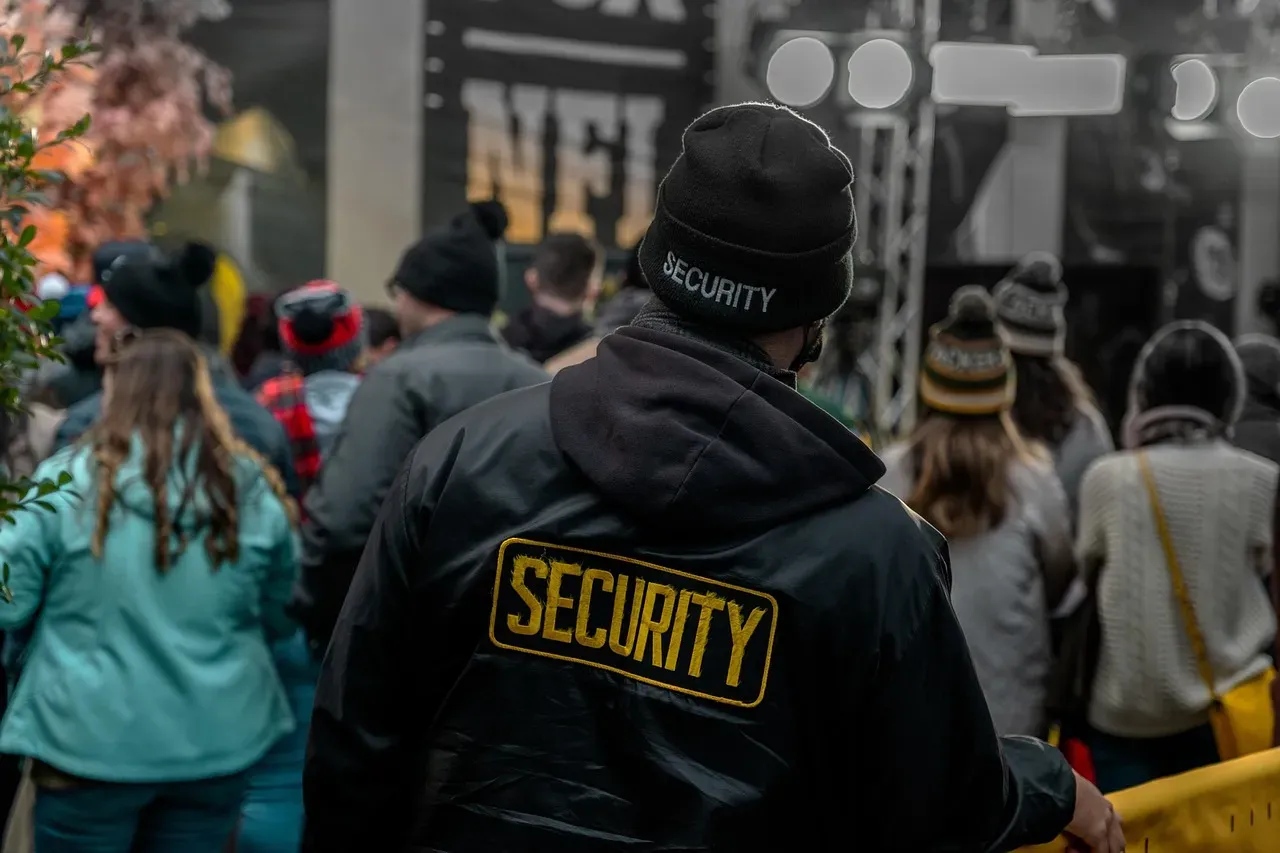
There has been an increase in safety procedures implemented throughout the festival circuit, including instructing artists and their crew members on what to do in the event of an emergency. Security isn’t there to ruin your fun. They’re trying to prevent the kind of tragedies that make headlines. Having a dedicated team of festival security guards is crucial for maintaining order and handling emergencies, with guards responsible for crowd control, preventing disturbances, assisting in evacuations, and being first responders, while their presence reassures attendees.
Cooperate with bag checks, metal detectors, and security personnel. Yes, it takes time. Yes, it can feel invasive. Yet these measures exist because between 1996 and 2024, at least 175 people died at events across the United States. Take a moment to make a mental note of all exits in a venue as soon as you arrive, because the natural urge is to use the same entry when you exit, not because it’s safer but because it’s familiar.