There’s something quietly radical about the idea that a handful of artists agreeing to open their studio doors on the same evening could eventually become a city’s most beloved monthly ritual. No marketing budget. No headline sponsors at first. Just people who loved art, loved their neighborhood, and wanted to share it. That’s essentially how First Friday began – a grassroots idea so simple it almost sounds accidental.
What followed is a story about community momentum, urban transformation, and the remarkable power of free. From dusty side streets to packed downtown districts, First Friday grew into something nobody really planned for. Here’s how it happened, and why it still matters today. Let’s dive in.
Where It All Started: A Simple Idea in an Arts District

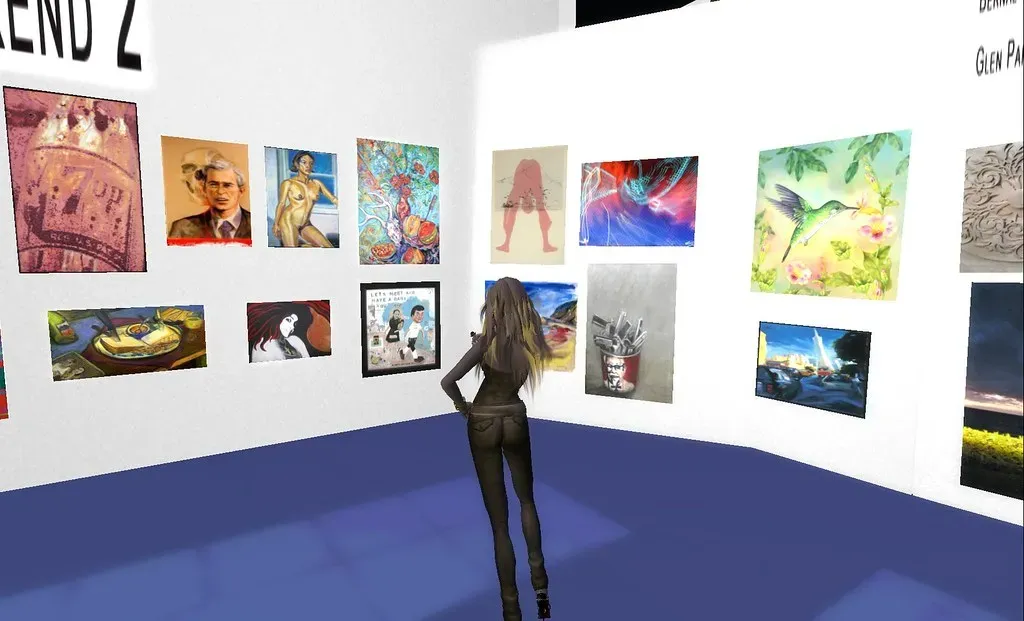
The concept behind First Friday is almost disarmingly basic. First Friday is a largely unofficial event celebrating community, culture, and art on the first Friday of every month. In cities across the United States, it started without fanfare, usually as a loose agreement between a few galleries to stay open late and let the public wander in.
Originally founded and organized by Artlink, a nonprofit organization launched in the mid-90s, the First Friday Art Walk in Phoenix started out with just a handful of participants. That’s it. A handful of people with open doors and a shared belief that art shouldn’t be locked behind ticket booths and hushed museum halls.
The Growth Nobody Predicted

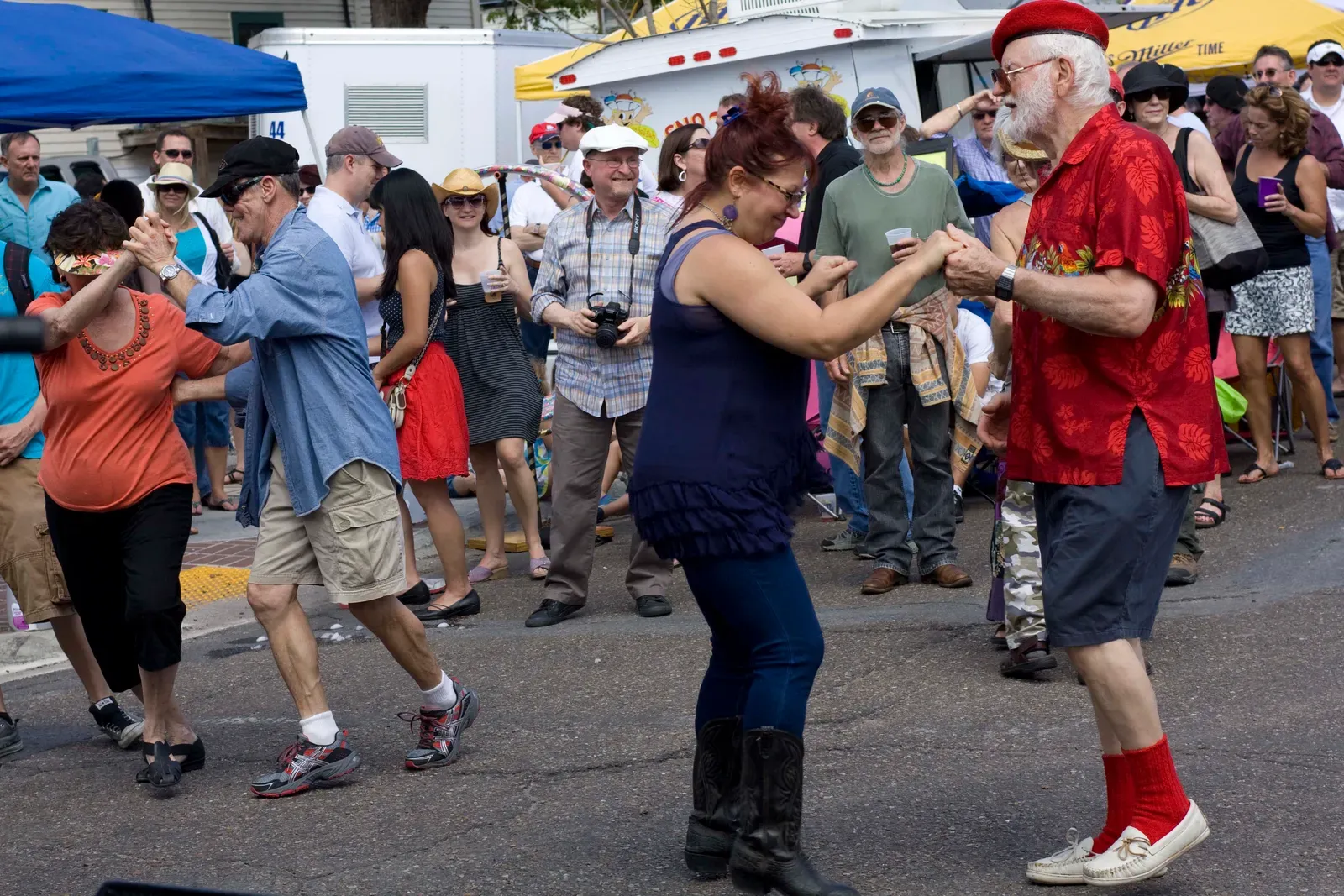
Here’s the thing – nobody wrote a five-year plan for this. What began as a modest evening event spread organically, city by city, neighborhood by neighborhood. Originally started with just a handful of participants, First Friday in Phoenix is now a free, all-ages event that draws thousands of attendees spread out across dozens of city blocks and nearly 100 businesses.
That kind of growth is extraordinary. Think of it like a backyard barbecue that somehow ended up requiring crowd barriers. The monthly First Friday celebrations that take place around Denver are some of the city’s most popular events, drawing thousands of people looking to shop, eat, browse galleries, and immerse themselves in the arts scene of multiple distinct art districts.
Dozens of Cities, One Shared Rhythm
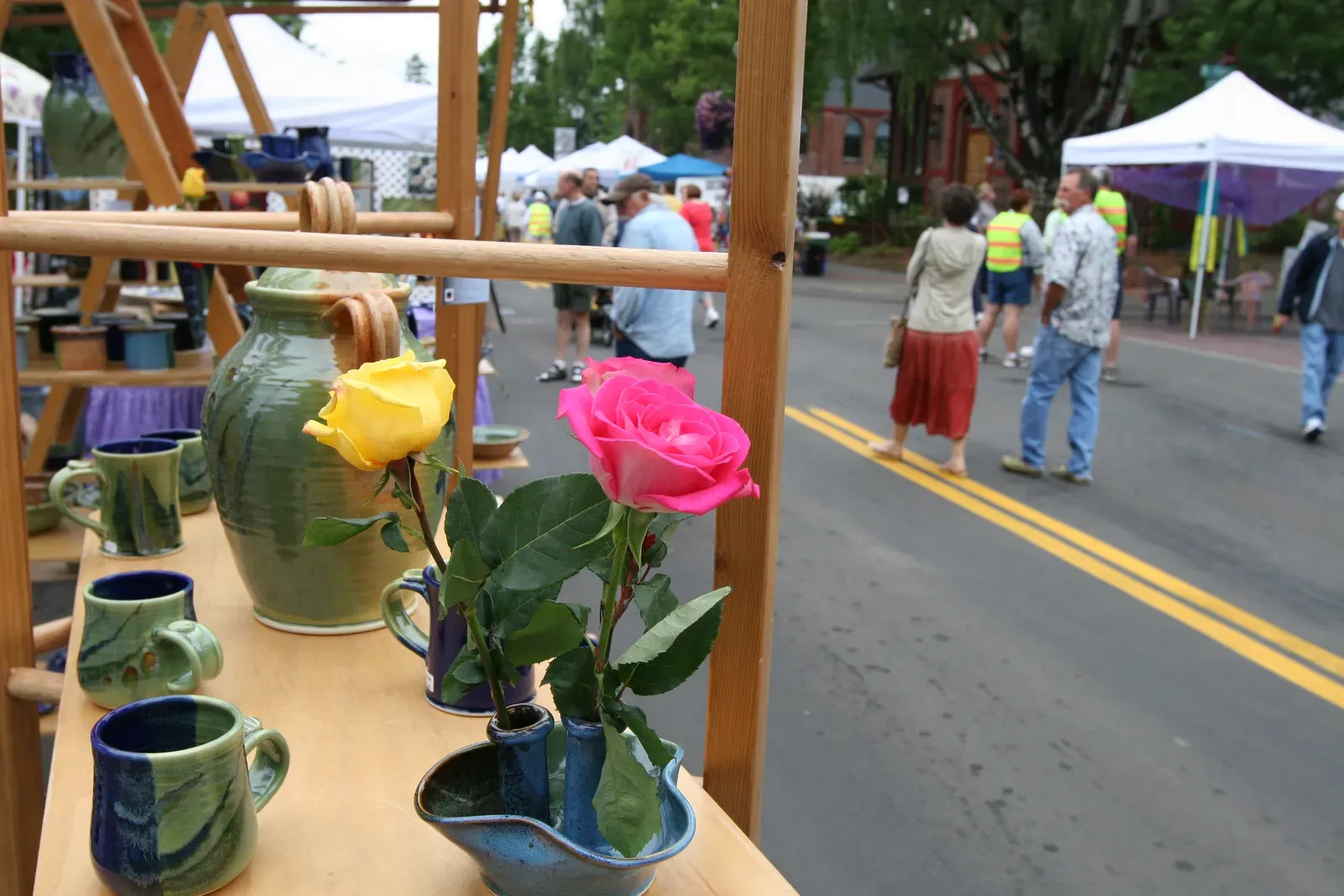
One of the most striking things about First Friday is that it happened everywhere, almost simultaneously. It wasn’t a franchise. There was no central office sending out a playbook. Established over 20 years ago, Art Walks like Springfield’s are free and self-guided programs that allow the community to get an insider look at local art, businesses, and galleries. Communities simply saw what was working elsewhere and built their own version.
San Jose’s iteration, for instance, is now celebrating two decades of monthly gatherings. South First Fridays ArtWalk in San Jose is kicking off its 20th year in downtown’s SoFA District, Historic District, and Martha Gardens District. Twenty years. Monthly. That’s a quiet kind of endurance most ticketed festivals would envy.
Free Admission: A Radical but Smart Choice

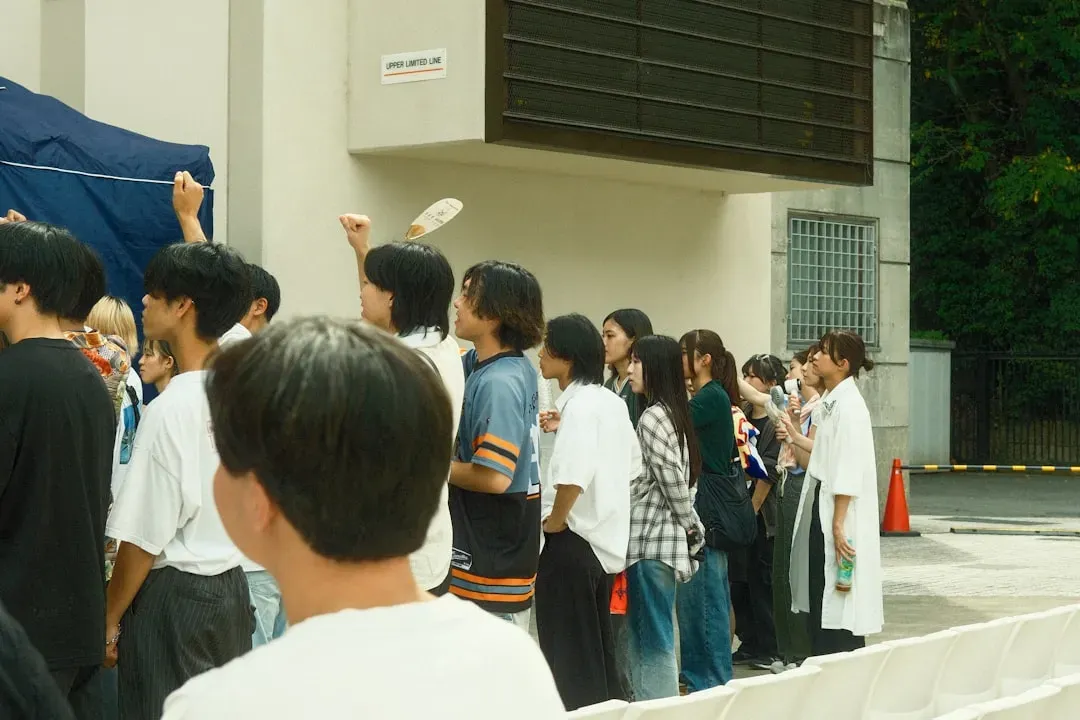
Honestly, one of the most underappreciated decisions in First Friday’s history is the price tag, or rather, the complete absence of one. Unlike museums or galleries, which may require admission fees or prior art knowledge, public art is available to all – this democratization of art exposure allows people from all walks of life to experience creativity and expression without barriers.
Key decision-makers and leaders understand that the arts can be an important part of a city’s economic development and growth strategy – and this growth often comes without huge price tags or tax concessions. Free admission didn’t cheapen the experience. It multiplied the audience, and a bigger audience meant more people eating at nearby restaurants, stopping into local shops, and deciding they liked this neighborhood after all.
What Happens to a Neighborhood When First Friday Arrives

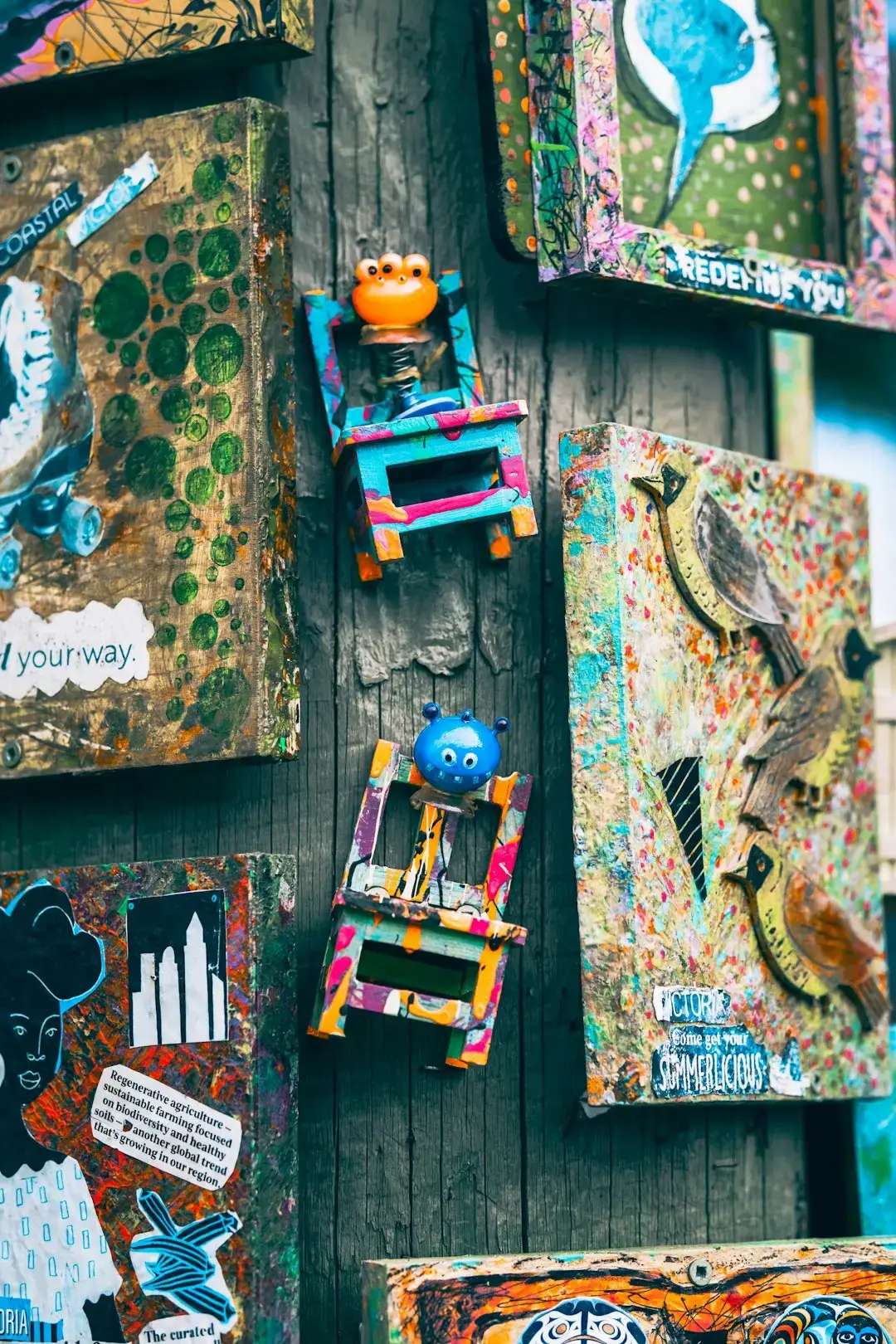
Research suggests that an artistic presence catalyzes positive neighborhood change, including decreased poverty, increased housing values, and job creation alongside enhanced social cohesion. That’s a powerful claim, and the real-world examples back it up. Once-overlooked areas transformed by murals and installations often experience increased investment and community development – Wynwood Walls in Miami is a perfect case study, as this once-industrial district is now a global arts hub drawing thousands of visitors and fostering business growth.
The ripple effect is real. Arts-based revitalization has resulted in more businesses locating to the area, more foot traffic to local businesses, increased housing options, more jobs, and higher tax revenues. First Friday districts didn’t just get more colorful. They got more economically active, often without a single new office building or infrastructure project in sight.
The Spillover Effect: Restaurants, Retail, and Real Estate

Let’s be real – when thousands of people flood a walkable district on a Friday night, somebody is making money. Research on interactive art events has shown properties observing a significant increase in sales for full-service restaurants on their premises, alongside meaningful increases in sales for merchants at connected sites. For restaurant owners near First Friday routes, this one evening a month could make a measurable difference in their monthly bottom line.
Public art can address all three pillars of sustainability since it will enhance awareness of environmental issues, foster cultural diversity and social inclusion, and maintain the economy through the tourism and creative sectors. It’s a triple win that city planners are increasingly paying attention to, especially as post-pandemic recovery strategies look for low-cost, high-impact tools.
The Bigger Economic Picture

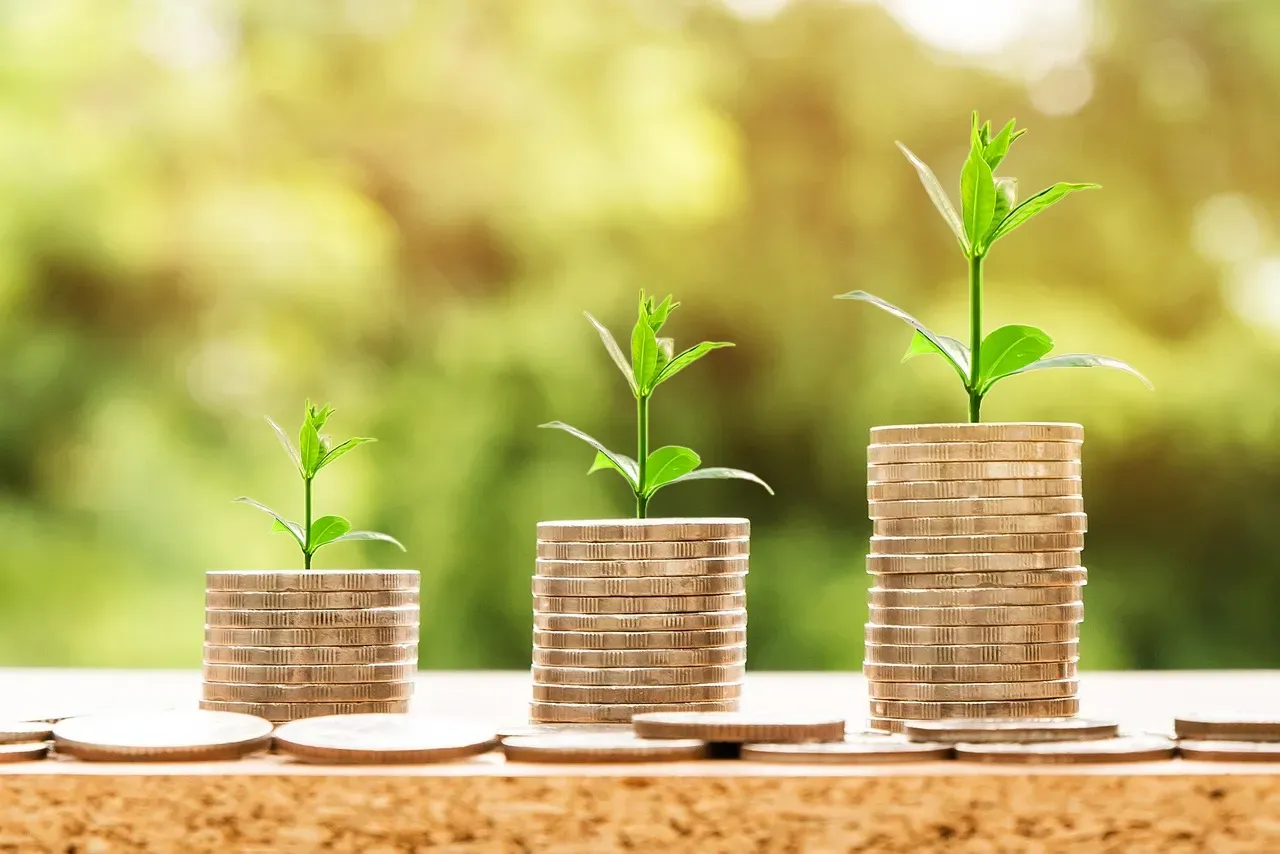
First Friday exists inside a much larger cultural economy than most people realize. In 2023, the most recent year for which data are available, arts and culture surpassed its annual value added to the U.S. economy with $1.2 trillion, representing 4.2 percent of the nation’s GDP. That is a staggering number – larger than the annual output of entire industries most people think of as economic pillars.
The arts and cultural sector grew at more than twice the rate of the total economy between 2022 and 2023, according to new data from the Arts and Cultural Production Satellite Account, a product of the National Endowment for the Arts and the Bureau of Economic Analysis. Monthly community events like First Friday are not isolated feel-good moments. They are active contributors to this ecosystem, feeding it from the ground level up.
Volunteers, Artists, and the Human Engine Behind It All

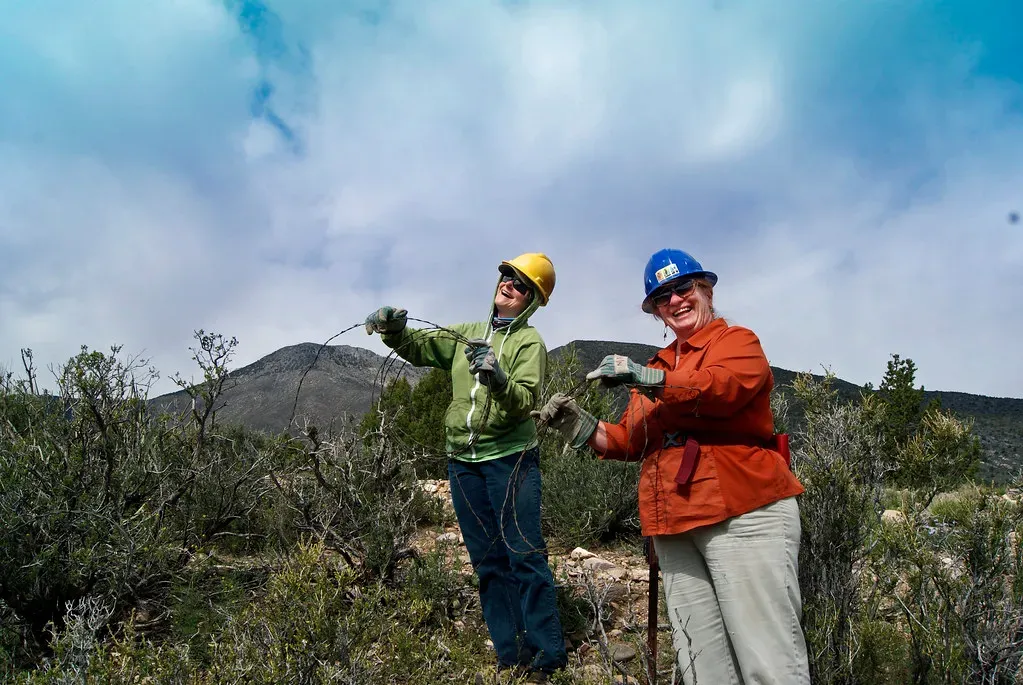
No corporate logistics team runs First Friday. What keeps it alive, month after month, is something far less glamorous: volunteers and local artists who simply show up. The monthly First Friday ArtWalk in Eugene, for example, is presented by the Lane Arts Council and is always free – made possible through organizational dedication and community goodwill rather than major funding streams.
Artists are often credited with renovating existing buildings, attracting and developing mixed-use street level economic activity, and creating quasi-public spaces and programming which encourages residents to develop place attachment and social capital as they interact with others. They’re not just making the event look good. They’re actively rebuilding the social fabric of neighborhoods that had grown disconnected. That’s extraordinary work, most of it unpaid.
First Friday as a Tourism and Place-Making Strategy
City tourism offices have noticed what artists figured out decades ago. As one of the largest, self-guided art walks in the country, First Friday in Phoenix includes quite a lot of ground to cover, and it has become a core part of how the city presents itself to visitors. It’s not just a local event anymore – it’s a brand. It’s a reason to book a hotel room on the first weekend of the month.
Phoenix’s Roosevelt Row Arts District, dubbed RoRo by the locals, has been named among 15 great places in America by the American Planning Association. That kind of recognition doesn’t happen because of a single event. It happens because of recurring, consistent programming that builds an identity over years. First Friday is the connective tissue between all of it.
What the Future Looks Like for First Friday
It’s hard to say for sure what the next decade of First Friday looks like, but the trajectory is encouraging. Cities and towns are using art and technology to transform their public spaces into places of convergence and human connection, with multi-sensory experiences being used to entice audiences back to city centers, energizing urban areas and encouraging safe, immersive, social experiences. First Friday is in a natural position to absorb these trends without losing what made it special in the first place.
Communities that build opportunities for people to come together in creation and celebration of culture develop their social capital by cooperating, sharing, and seeking shared goals – and these connections serve communities well in their other endeavors, from economic development to civic participation to healthy living. That is perhaps the most honest case for First Friday that exists. Not the footfall data. Not the restaurant revenue. The fact that it builds something between people that is genuinely hard to manufacture any other way.
What started as a few artists propping open their studio doors on one evening a month has grown into one of urban America’s most enduring cultural traditions. No admission fee required. No headliner announced. Just a city, its people, and the first Friday of the month. What would your neighborhood look like if it had something like this?