A film can be impeccably crafted from start to finish and still fumble its landing. The final frame is the last handshake between a movie and its audience, the image that either crystallizes everything that came before or quietly unravels it. When all is said and done, plots are wrapped up and character arcs are drawn to a close, it’s up to the final shot of the movie to answer any remaining questions, raise more questions, or simply leave you with a sensational final image. The final shot can alter your entire perception of the feature you have just witnessed, and within it rests the entire summary.
What follows is a ranked gallery of eight closing shots that didn’t just stick the landing. They redefined what a landing could be. Each one earns its place for a different reason, whether it’s the precision of the composition, the weight of what it leaves unsaid, or the way it reframes everything you just watched in a single, wordless beat.
8. The Shawshank Redemption (1994) – Two Men on a Beach in Mexico

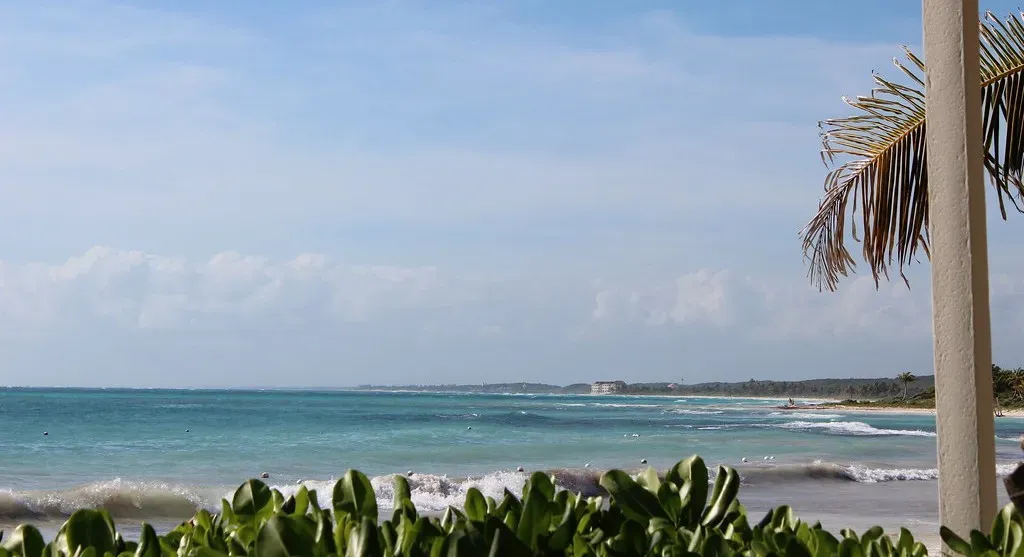
Andy Dufresne, an innocent man sentenced to life behind bars, escapes to the shores of Mexico. He is eventually joined by his best friend Red. The beautiful ending of the two embracing each other on the Pacific perfectly counteracts with the life they knew in jail, giving a refreshing and complete conclusion. It’s a shot that earns every ounce of its warmth precisely because the film spent so long denying it to you.
What makes it so durable isn’t just the geography or the sunlight. It’s the ratio of time spent in darkness to this one burst of open sky. Director Frank Darabont frames the reunion as something almost too wide and too bright to be real, and that’s the point entirely. Freedom, after long enough, looks exactly like that.
7. The 400 Blows (1959) – Antoine Doinel’s Freeze Frame at the Sea

François Truffaut’s classic coming-of-age movie is most well-known for its final shot. Telling the story of a young boy, Antoine Doinel, growing up without loving parental attention and turning to petty crime, the film was released shortly before the French New Wave boom of the 1960s. Totally losing his way, Antoine is put in a centre for troubled youths. In the final moments, he escapes and flees to the nearby beach, where he looks out to sea and aimlessly stares toward the camera before Truffaut pulls away. It’s a haunting end to a harrowing coming-of-age tale.
Ending the film on a freeze frame is a brilliantly thought-provoking decision on Truffaut’s part, trapping Antoine Doinel, and therefore the audience’s perception of him, inside the moment of his biggest uncertainty. Antoine’s stare right at the camera ingrains this as one of the most hard-hitting final shots in the history of cinema. The ocean stretches behind him, vast and indifferent, offering neither answer nor escape.
6. Planet of the Apes (1968) – Taylor at the Statue of Liberty

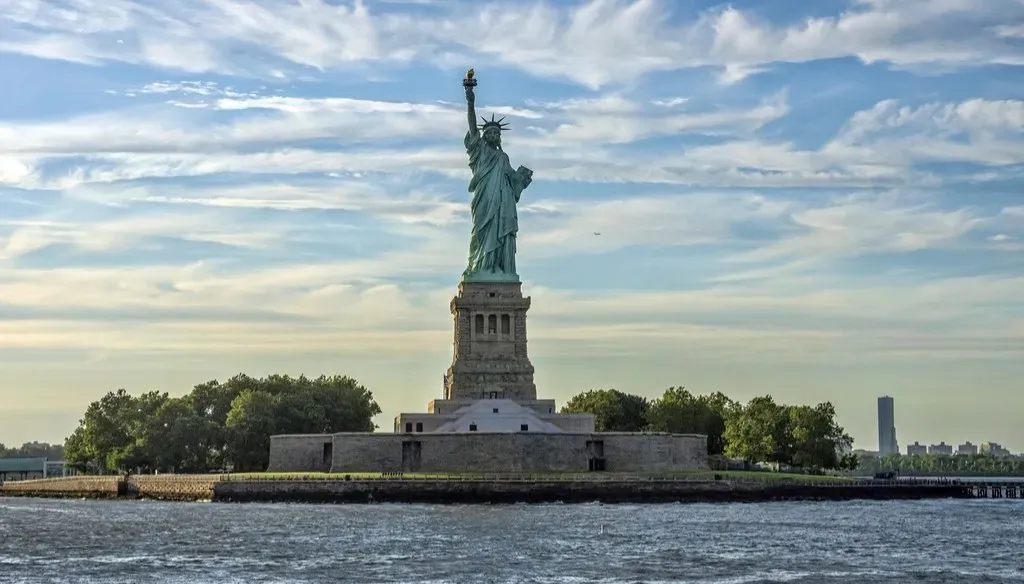
Directed by Franklin J. Schaffner, Planet of the Apes is a classic science fiction film loosely inspired by Pierre Boulle’s 1963 novel. Charlton Heston stars as an astronaut who crash-lands on a strange planet in the distant future, where humans are mute primitives and apes are the dominant species. The film spent its entire runtime building a world that felt genuinely alien, which made the final revelation land with the force of a gut punch.
Even though its iconic final plot twist is nowadays so well-known that virtually no one watching for the first time should be as surprised by it as audiences were in ’68, it’s still one of the greatest finales in the history of the genre. The final shot that accompanies that ending is the stuff of movie legend. The twist that what viewers had been led to believe was an alien planet is actually a futuristic Earth is legendary, and the visual of Taylor falling to his knees at the sight of the destroyed Statue of Liberty is one of the most unforgettable in genre cinema’s history.
5. Butch Cassidy and the Sundance Kid (1969) – The Freeze Frame Charge
Even before the first frame of the 1969 western, we know the eventual fate of the two protagonists. Over the course of the film we become attached to the two weary outlaws in search of a more profitable career. With the law finally catching up with the duo in Bolivia, they are surrounded and facing certain doom, the only thing left to do is make a final charge and go out in a blaze of glory. Director George Roy Hill freezes the shot moments before the two are gunned down, leaving it a single freeze frame that haunts us forever.
Maybe it’s because it captures the last fleeting glimpse of life and hope, the faintest possibility of escape instead of a violent and bloody end. We don’t see their demise, but in a way the sounds of endless gunshots followed by a still silence are even more disturbing. The sepia warmth of that frozen image lingers far longer than any graphic finale ever could have.
Partner offer

4. The Shining (1980) – Jack in the 1921 Photograph

The Shining is partly great because it has one of the best final shots in all of horror. It’s a slow, lingering zoom into an old photo from an Overlook Hotel party, dated 1921, and Jack Torrance is featured in it. It’s a haunting, powerfully ambiguous way for Kubrick to suggest that Jack has always been tied to the Overlook, setting itself up for theories about reincarnation or a time loop element. The shot functions as a retroactive rewrite of everything you’ve just seen, which is an extraordinary thing for a single image to accomplish.
It serves to make the hotel feel even more mysterious and otherworldly, which has the potential effect of making the whole movie even more frightening on a rewatch. That’s one of many changes made to the source material, but this ending does a good job at finding one last way to unsettle and prove eerie. Kubrick understood that the scariest monster isn’t what you see, but what you can no longer explain.
3. Citizen Kane (1941) – The Rosebud Sled Burns

There are many who say that Citizen Kane, Orson Welles’ powerhouse feature film debut, is still the greatest American film of all time. At the very least, it could very well be the greatest film from Hollywood’s Golden Age. Regardless of superlatives, there’s no denying that it’s an absolute masterpiece, the work of a master filmmaker in full control of his craft. Its closing image, though, carries a particular sting that the rest of the film earns through misdirection.
The people who wanted to know what Charles Foster Kane’s final words meant don’t get to find out by the film’s end, but at least the audience does. He famously says “Rosebud” at the start, and it ends up being his childhood sled, with the final shot of the movie being that sled getting burned alongside other possessions of Kane’s. The answer arrives too late for anyone in the story to use it, and that gap between knowledge and meaning is the entire film in miniature.
2. The Godfather (1972) – The Door Closes on Kay

The Godfather is not just one of the greatest crime films ever made, but a strong contender for the title of best movie in history. The 1970s were arguably the best decade in cinema’s history, and that’s in no small measure thanks to Francis Ford Coppola’s masterful saga about the Corleone family. Michael’s transformation into a Godfather far more ruthless, cold-hearted, and violent than his father ever was is framed as an all-American tragedy rather than a triumph. Nowhere is this clearer than in the final shot: Kay’s point of view as Michael is visited by associates who kiss his hand, call him “Don Corleone,” and then shut the door on both Kay and the audience. It’s a perfect visual representation of Michael shutting out not only his wife, but the last bits of his decency and humanity.
It’s probably the simplest final few seconds of a movie in this conversation, yet certainly still one of the most striking in movie history. Coppola doesn’t need a wide lens or a soaring score. A door, closing slowly, does everything. The tragedy isn’t announced. It’s just sealed.
1. Casablanca (1942) – Rick and Louis Walk Into the Fog

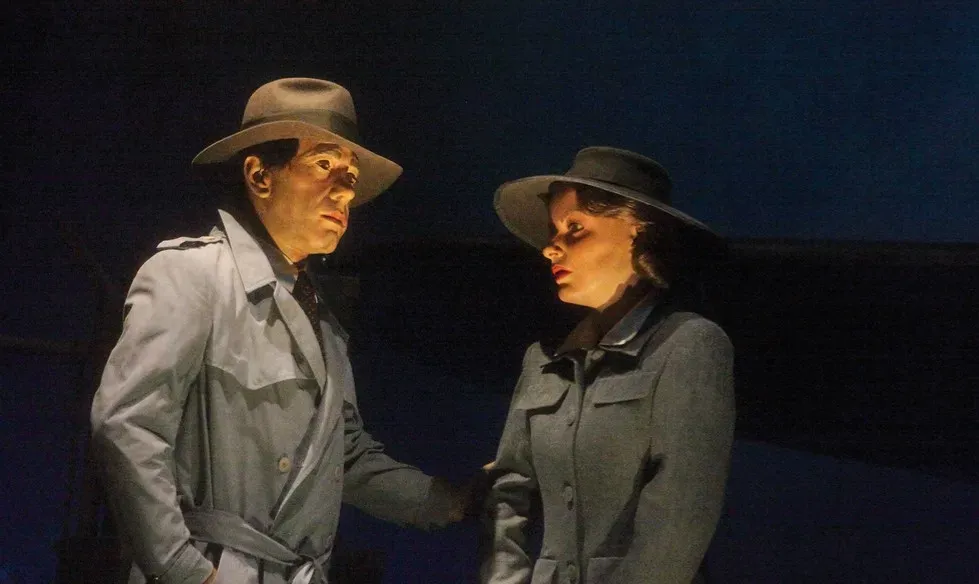
Accompanied by one of the best final lines in movie history, Casablanca’s final shot is the most iconic in all of cinema, a brilliant subversion of the traditional romantic ending with some of the most gorgeous visuals in all of Golden Age Hollywood. The film had already delivered one of cinema’s great bittersweet sacrifices, but it saved one final flourish for the very last frame.
A shot that has effectively become a universal shorthand for classic Hollywood, the foggy final moments of the big screen’s most iconic love story are imbued with a magic that transcends one romance. Rick’s final line to Louis cements the achingly wistful act of sacrifice with which he sent his beloved Ilsa away from the cursed place that gives the movie its name, the resigned but fiercely heroic grace note of a tragic affair that is forced to end so that the film can arrive at the immortal harmony between love and loss.
It wins the top spot not because it’s the most technically dazzling image on this list, but because it transforms heartbreak into something that feels, improbably, like forward motion. Unlike the final sentences of a novel, the last shot of a feature film has already acquired its own formal language, with camera movements and musical cues conditioning viewers to read final shots in a different way. There’s a unique weight to the last shot, a burden but also a sense of infinite possibility, as though cinema inherently realizes that its greatest potential doesn’t live on screen but rather in those who stare at it. Casablanca understood that better than almost anyone, and its closing image has never stopped proving it.
Partner offer
Planning a trip to Vegas?
Compare hotel rates and show tickets on VEGAS.com.