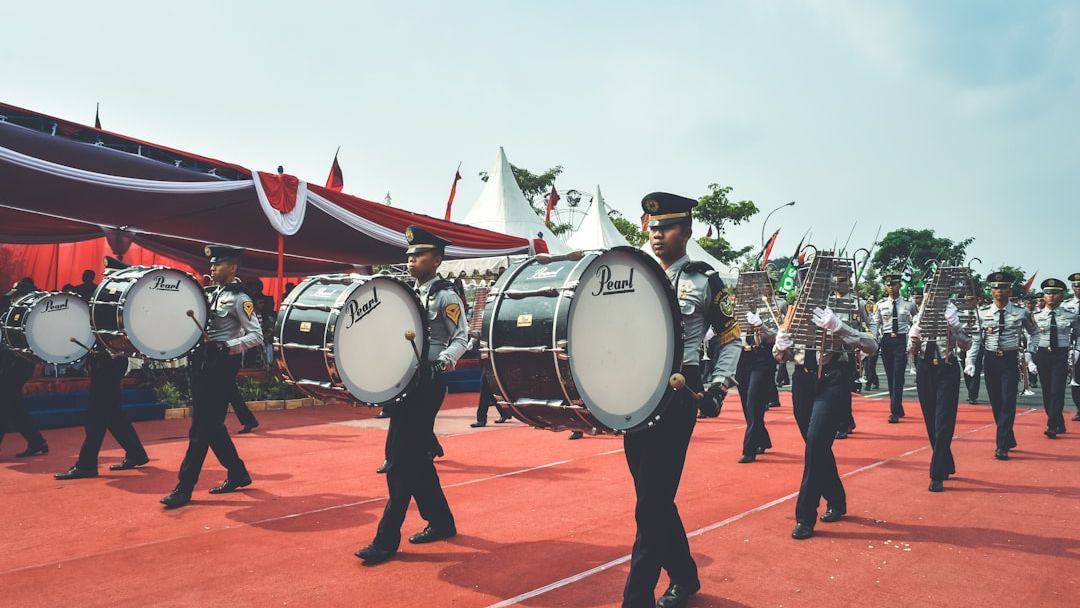
Florida students can soon earn graduation credits through marching band, Special Olympics – Image for illustrative purposes only (Image credits: Unsplash)
Florida students will soon have additional ways to meet core graduation requirements without relying solely on traditional classroom courses. Beginning with the next school year, participation in marching band and Special Olympics programs can count toward physical education and performing arts credits under a measure signed into law this week. The change applies statewide and stems from legislation that cleared both chambers of the Legislature without opposition.
Key Provisions of the New Measure
The law allows eligible students with disabilities to fulfill one physical education credit by taking part in Special Olympics activities when those activities align with their individualized education program. Separately, any student who completes two years of marching band can satisfy one physical education credit and one performing arts credit. These substitutions replace credits that previously required enrollment in standard physical education or arts classes. The adjustments recognize the physical demands and performance schedules involved in marching band, which include weekly training, instrument handling, and formation drills. Special Olympics participation similarly provides structured athletic opportunities for students with disabilities. Both pathways become available starting July 1.
Partner offer
Legislative Path and Unanimous Support
House Bill 453, sponsored by Rep. Peggy Gossett-Seidman, a Highland Beach Republican, advanced through the full legislative process this year. An identical companion measure in the Senate was carried by Democratic Leader Lori Berman of Boca Raton. The bill received approval in both chambers without a single dissenting vote before reaching Gov. Ron DeSantis for his signature. The measure builds on earlier bipartisan efforts between the same two lawmakers, though a related waterways bill from the prior session ultimately stalled. Lawmakers adjusted the current proposal to address prior concerns and secure broad backing across party lines.
Reactions from Sponsors and Program Leaders
Gossett-Seidman described the legislation during floor debate as a way to fairly acknowledge student efforts that occur outside conventional classrooms. She noted that marching band participants invest hours each week in rigorous preparation comparable to many athletic programs. Sherry Wheelock, president of the Special Olympics Florida Foundation, expressed strong support for the change, highlighting how it extends opportunities to more participants. Berman stated that the policy ensures graduation requirements reflect the varied talents and commitments of all students, whether through band or Special Olympics involvement. More than 86,000 athletes already take part in year-round Special Olympics Florida programs, which endorsed the bill.
Practical Effects for Students and Schools
School districts will incorporate the new credit options into their graduation planning processes, particularly through individualized education programs for eligible students. Marching band directors and Special Olympics coordinators can now document participation in ways that directly apply to state requirements. The policy maintains existing academic standards while expanding recognized pathways. Districts retain flexibility to verify that activities meet the outlined criteria for credit. The legislation reflects a broader effort to align graduation rules with the real-world commitments many students already maintain. It takes effect in time for the upcoming academic year and applies to public high schools throughout Florida.
Partner offer
Planning a trip to Vegas?
Compare hotel rates and show tickets on VEGAS.com.