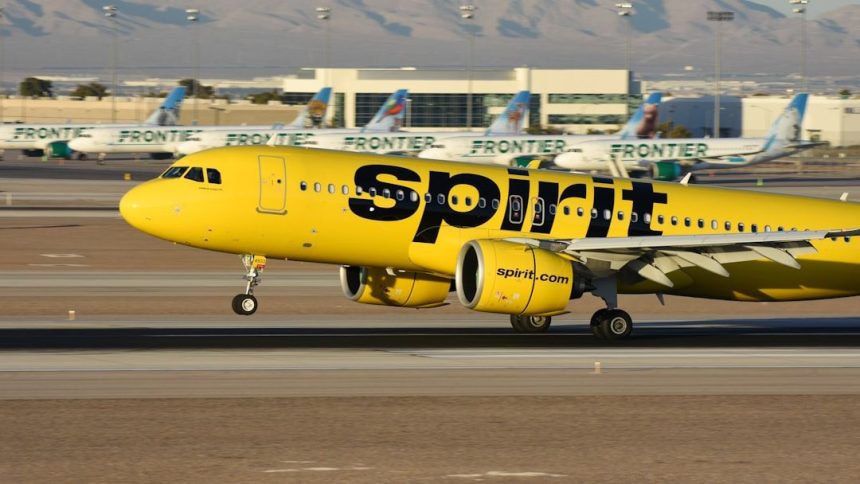
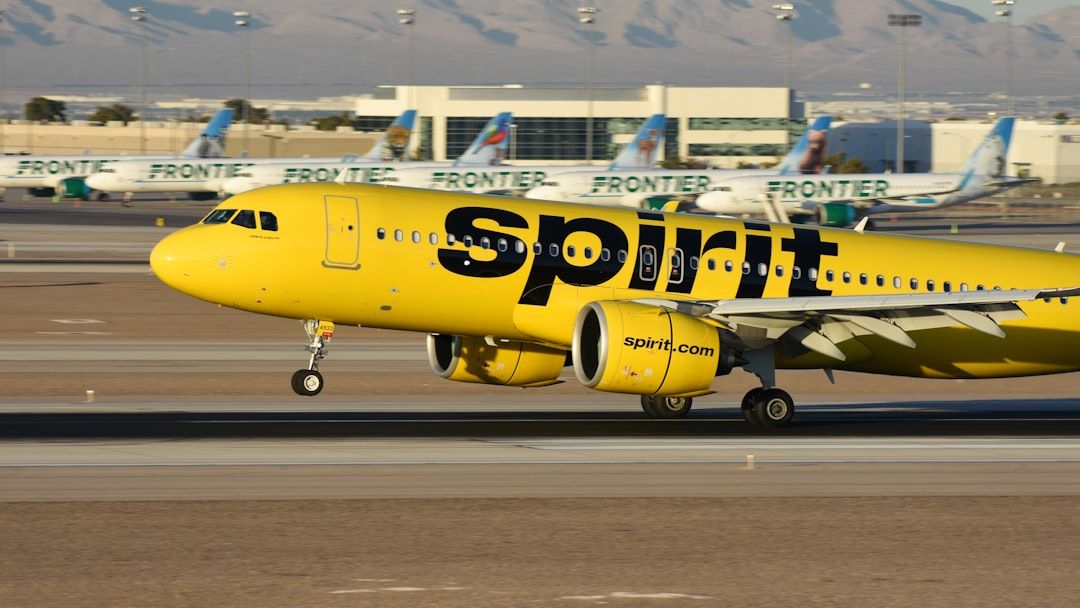

Spirit: 4,000-plus jobs disappear in Florida because of the airline’s collapse – Image for illustrative purposes only (Image credits: Unsplash)
Thousands of airline workers across Florida’s major airports now face abrupt unemployment following Spirit Airlines’ decision to cease operations. The low-cost carrier’s collapse has triggered immediate layoffs at key facilities, hitting employees who supported the state’s vital tourism-driven economy. State records reveal the full extent of the cuts, underscoring challenges in an industry already strained by external pressures.
Breakdown of Job Losses at Major Sites
FloridaCommerce received WARN notices detailing the layoffs’ scope. The largest group affected includes 2,529 employees at Fort Lauderdale-Hollywood International Airport. Additional cuts struck 796 workers at Orlando International Airport, 551 at the Dania Beach Support Center, and 181 at Miami International Airport.
These figures represent the airline’s Florida footprint, concentrated in hubs that handle millions of passengers annually. The notices confirmed the terminations as immediate, leaving little time for transition. Positions involved remain unspecified, but the impact ripples through roles from ground crew to support staff.
Triggers for the Airline’s Demise
Spirit Airlines announced its shutdown last week amid canceled flights and stranded travelers. Company leaders cited unforeseen business deterioration as the primary cause. Efforts to secure a buyout through negotiations with the Trump administration ultimately failed.
Suzanne Solon, Spirit’s Human Resources Vice President, outlined the rapid onset of crises in the WARN filing. War in the Middle East and soaring fuel prices, projected to cost U.S. airlines billions this year, overwhelmed operations. “These conditions were not foreseeable by the Company, and developed with a speed and severity that precluded the Company from giving earlier notice as we fought to save Spirit,” Solon stated.
Direct Impact on Employees
The layoffs arrived without extended warning, a point emphasized in communications to staff. “We regret that we are not able to give you more notice of your layoff,” Solon wrote directly to affected workers. This abruptness compounded disruptions for families reliant on steady aviation paychecks.
Florida’s airports, engines of tourism and commerce, now absorb the shock. The state hosts some of the nation’s busiest facilities, where such losses amplify broader employment pressures. Officials noted the timing aligns with preexisting job market softness.
State Efforts to Aid Displaced Workers
FloridaCommerce responded swiftly by organizing support for those hit hardest. A job placement event runs from 11 a.m. to 3 p.m. Wednesday at the CareerSource Central Florida Southeast Orange Career Center, located at 5784 Semoran Blvd. in Orlando. The initiative aims to connect former Spirit employees with new opportunities in a competitive market.
- Targeted assistance for aviation and support roles
- Connections to local employers in tourism and logistics
- Resources for resume building and skill matching
Broader concerns about the state’s economy surfaced even before these cuts. U.S. Sen. Rick Scott, former Florida governor, highlighted rising unemployment on social media last week. “Florida’s jobs numbers continue to get worse. Unemployment shot up to 4.7% – higher than the national average. Florida lost almost 38K jobs year over year in March,” Scott posted.
Looking Ahead for Florida’s Workforce
The Spirit fallout adds to headwinds in a sector sensitive to fuel volatility and global tensions. Tourism remains Florida’s economic cornerstone, yet these layoffs test resilience at its core infrastructure. Workers now navigate an uncertain path, with state programs offering a starting point amid elevated joblessness.
For the over 4,000 individuals affected, the coming months will define recovery trajectories. Opportunities in related fields may emerge, but the immediate human toll lingers in communities built around air travel.