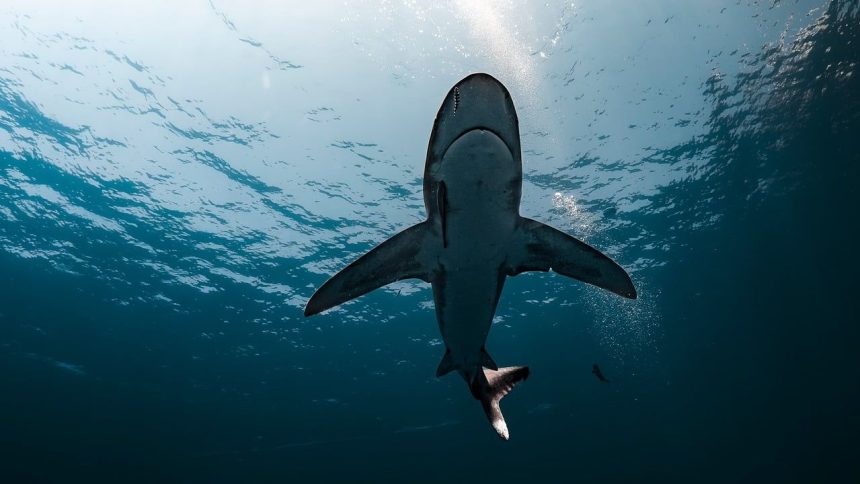
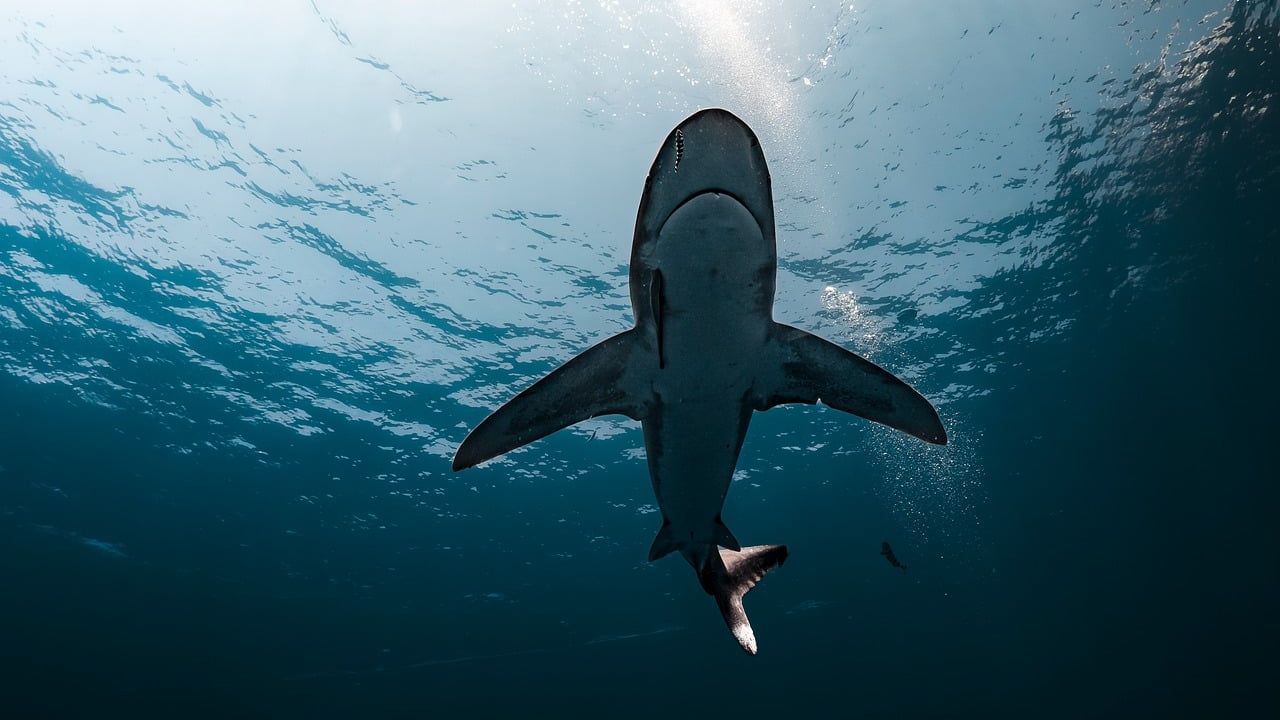

The Predator Closes In (Image Credits: Pixabay)
Santa Barbara County – A routine hydrofoil run turned into a pulse-pounding encounter last weekend when a large shark locked onto one rider and matched his every move for several tense minutes. Ron Takeda and Tavis Boise navigated choppy waters on their 20-mile journey from UC Santa Barbara’s Campus Point toward Carpinteria on April 25. What began as a test of new gear quickly escalated into a survival test captured on video.[1][2]
The Predator Closes In
Ron Takeda first noticed unusual sounds trailing his board – splashing and gurgling that he initially dismissed as seaweed or his leash dragging through the water. As he glanced back near Leadbetter Beach, a dorsal fin pierced the surface, followed by a massive, dark shape surging forward. The shark, estimated at 10 to 12 feet long with a girthy, torpedo-like body, accelerated to match Takeda’s speed.[1]
Tavis Boise, filming from behind with a selfie stick, shouted urgent warnings: “Don’t fall!” and “Oh my god, it’s coming for ya! Ron, go! Go!” The pair had buzzed over what they later realized was the same shark earlier in the run, unwittingly provoking its interest. Foil boards, elevated above the waves by underwater wings, can resemble rays from below – a potential trigger for the predator’s curiosity.[3]
A Game of Cat and Mouse Unfolds
The chase intensified as Takeda weaved through the chop, making tight turns to shake his pursuer. The shark thrashed violently to keep pace, staying within two feet or even directly beneath the board at times. Takeda heard constant carving and slicing noises, describing the creature as a “mountain of water” that struggled with sharp maneuvers due to its size.[1]
Boise’s YouTube video captured the drama, showing the shark’s fin cutting through whitewater while Boise balanced filming and foiling. “It’s coming for you, go, go, go!” he yelled as the pursuit stretched on. The encounter lasted three to four minutes on camera, continuing for several more off-screen before the shark finally veered away.[2]
Staying Aloft Amid the Chaos
Takeda maintained his balance throughout, never falling despite the adrenaline surge. He kept his head down, focusing on the foil’s rhythm in the uneven seas – a skill honed from years in the water. “I wasn’t scared. I was excited about it,” he later recounted. “This sport has a lot of anxiety built into it already. I always tell myself, ‘Okay, Ron, relax and foil.'”[1]
With 12 miles still ahead, Takeda powered on without incident after the shark peeled off. Boise caught up soon after, noting Takeda’s casual remark: “It’s really fun out here!” The duo completed the run unscathed and repeated the route the next two days, spotting a smaller shark nearby on Monday.[4]
Rising Shark Presence in Local Waters
Southern California’s coast has seen heightened shark activity in recent years, particularly around Carpinteria, a known nursery for juvenile great whites. Warmer ocean temperatures from a marine heatwave and potential El Niño conditions have drawn more sharks closer to shore earlier than usual. Experts note that bites remain exceedingly rare, with only a few dozen confirmed cases over decades.[2]
- Carpinteria serves as a aggregation site for young white sharks, often cruising undetected beside water users.
- Recent sightings include a 10-foot great white feeding near Huntington Beach and disruptions to a surf contest there.
- Boise has encountered sharks before, including being circled off Hendry’s Beach; Takeda near tiger sharks in Maui.
This incident stood out for the shark’s persistence in matching the riders’ high speeds – unprecedented for the pair.[1]
Proof That Humans Aren’t on the Menu
The viral video drew millions of views and sparked debates online, including unfounded claims of staging. Both riders emphasized the rarity of such aggression. “I’m convinced that people are not on the menu. This incident is proof of that,” Takeda stated. “All shark attacks are mistakes – this one never touched me.”[1]
Boise echoed the sentiment: “We can encounter them all we want, but really it’s their ocean and we’re just small primates.” The experience reinforced their respect for the sea without deterring their passion. As shark numbers fluctuate with environmental shifts, encounters like this serve as stark reminders of shared ocean space – and the thrill of navigating it unscathed.