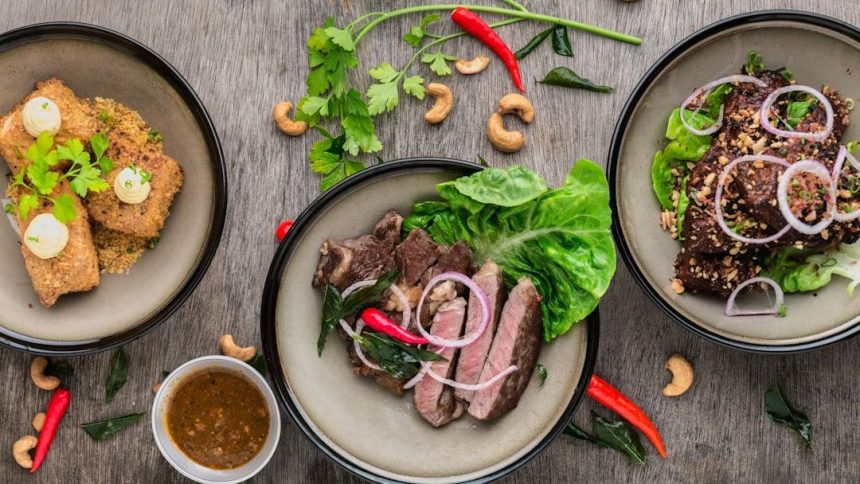
Ever notice how certain foods in books stick with you long after you’ve finished reading? There’s something about the way authors describe a meal, a snack, or even a simple drink that can transport you to another time entirely. Food in literature isn’t just background detail. It’s a cultural timestamp, a window into how people lived, what they valued, and what they dreamed about.
From grand feasts in medieval tales to wartime rations that spoke volumes about survival, these literary foods became symbols of their eras. They shaped how we remember entire periods of history, sometimes more vividly than any history textbook ever could. So let’s get started and explore the meals that defined generations.
The Roasted Meats and Ale of Medieval Feasts
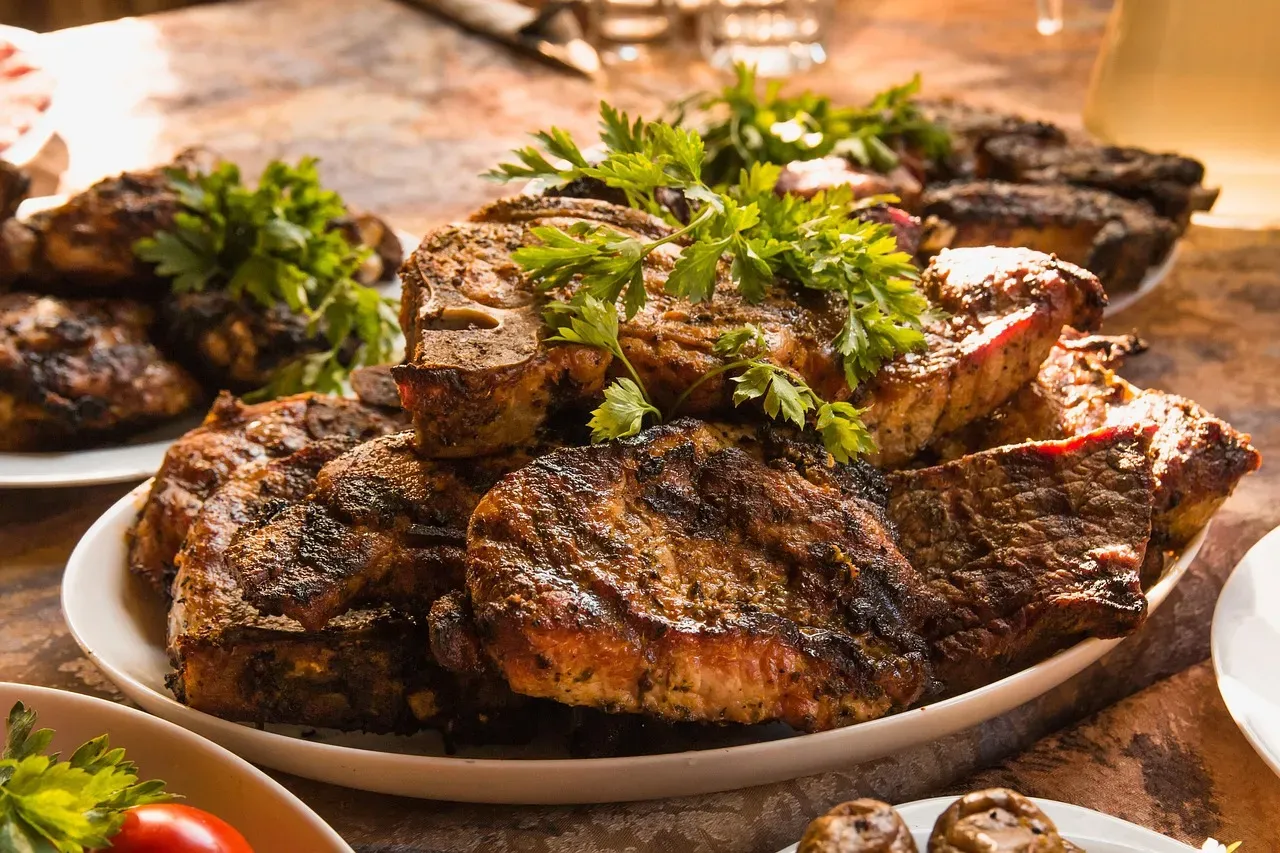
Think about medieval literature, and you probably picture knights gathered around long wooden tables, tearing into roasted boar and washing it down with tankards of ale. Writers like Geoffrey Chaucer painted these scenes with such detail that you could almost smell the smoke from the fire pit. These weren’t just meals. They were displays of power and community.
In “The Canterbury Tales,” Chaucer described feasts that went on for hours, featuring multiple courses of game meat, bread trenchers soaked in gravy, and endless flowing drink. The sheer abundance told you everything about social hierarchy and hospitality in the 1300s. If you were important, you ate well. If you weren’t, you watched.
What’s fascinating is how these descriptions shaped our entire perception of medieval life. We imagine that era through the lens of these grand meals, even though most people ate far simpler fare. Literature gave us the highlight reel, and we accepted it as the whole picture.
Turkish Delight and the Edwardian Sweet Tooth
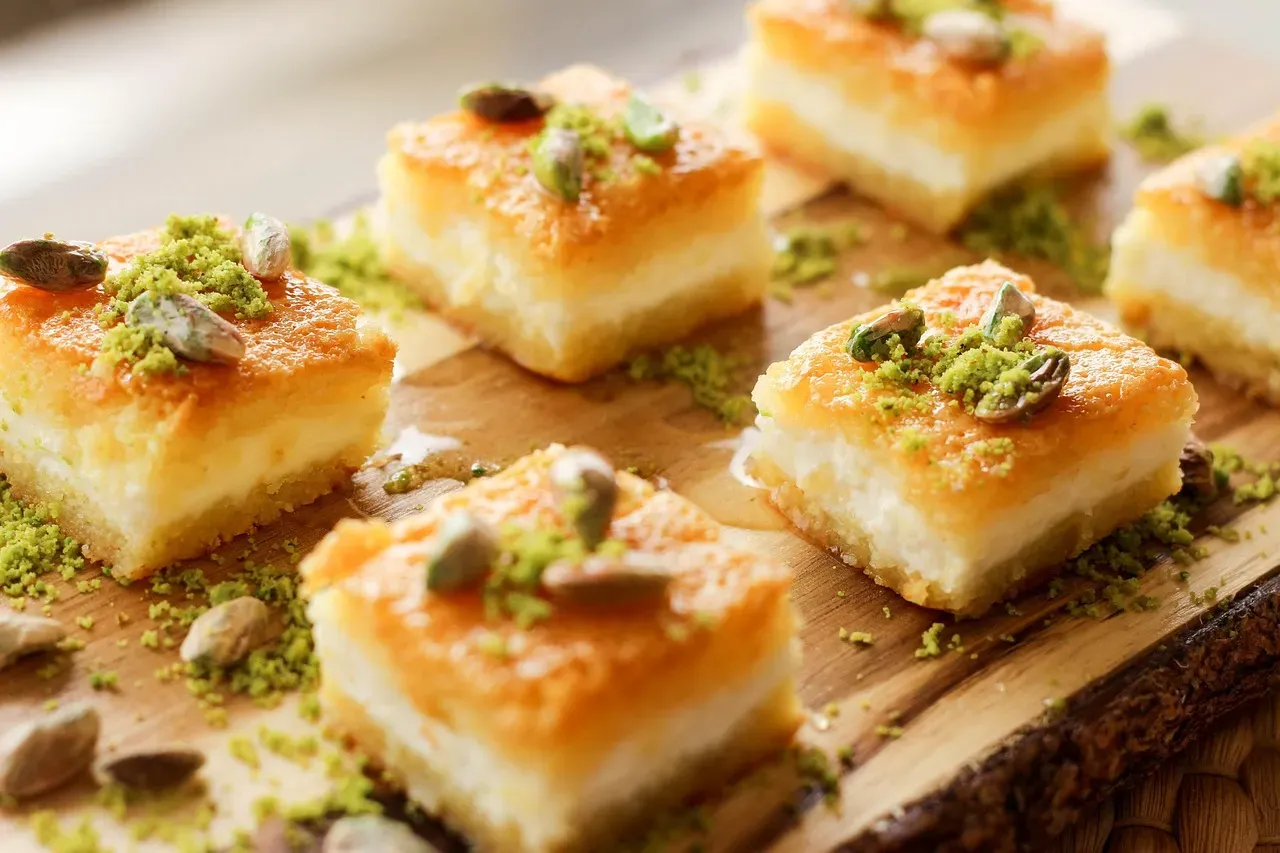
When C.S. Lewis wrote about Edmund’s betrayal in “The Lion, the Witch and the Wardrobe,” he chose Turkish Delight as the tempter. That wasn’t random. In early 20th century Britain, these rose-flavored, powdered sugar-coated cubes represented exotic luxury that most children could only dream about.
The Edwardian era was obsessed with sweets from far-off places. Turkish Delight, with its connection to the Ottoman Empire, symbolized adventure and indulgence in a time when such treats were rare and expensive. Lewis understood that his young readers would immediately grasp why Edmund would risk everything for more of it.
Honestly, reading that scene today hits differently when you realize Turkish Delight is widely available in any candy shop. Back then, it was practically magical. The dessert became forever linked with temptation and the price of giving in to desire, all because of one pivotal literary moment.
Spam and Canned Goods During Wartime
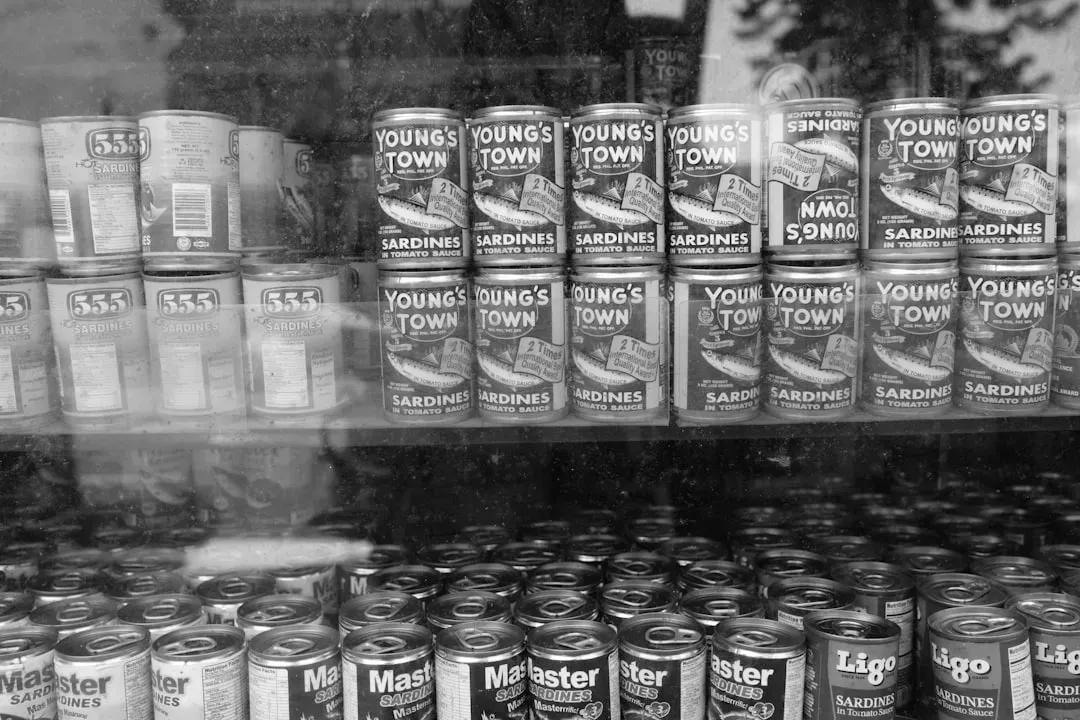
World War II literature is filled with references to canned meat, powdered eggs, and other preserved foods that defined life on the home front. Writers like Vera Brittain and John Steinbeck captured how rationing changed not just what people ate, but how they lived and thought about food itself.
Spam became a character in its own right in countless war memoirs and novels. It showed up in letters home, in descriptions of military mess halls, and in creative recipes housewives developed to make the stuff palatable. The canned meat represented both American innovation and the compromises war demanded from everyone.
These foods weren’t celebrated for their taste. They were symbols of survival, sacrifice, and making do with what you had. Literature from this era rarely glamorized meals. Instead, it used food to show the grinding reality of war and how it touched every aspect of daily life, right down to your dinner plate.
The Elaborate French Cuisine of the Belle Époque
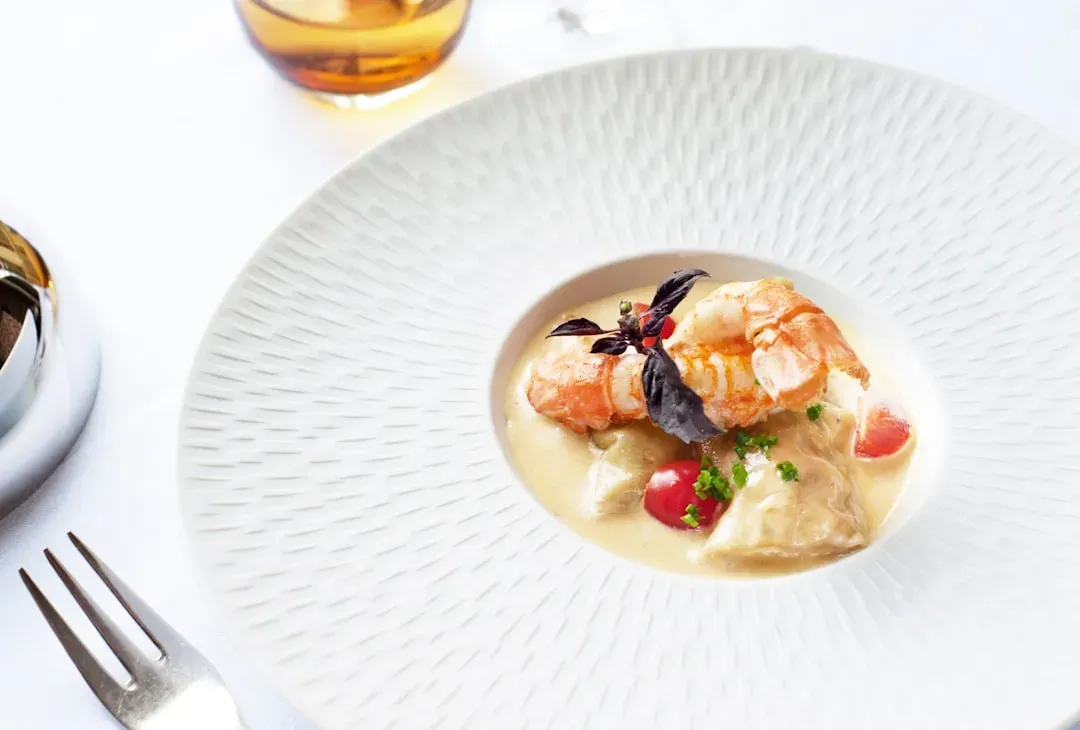
Marcel Proust’s “In Search of Lost Time” opens with one of literature’s most famous food moments: a madeleine dipped in tea. That small cake unlocked an entire world of memory, but it also represented the refined French culture of the late 1800s and early 1900s.
The Belle Époque was all about leisure, art, and incredibly elaborate dining. Authors like Émile Zola described multi-course meals that took hours, featuring dishes with cream sauces, delicate pastries, and wines carefully chosen for each course. Food was an art form, and the wealthy had time to appreciate it.
This wasn’t just showing off. It was a statement about civilization itself. French writers believed their cuisine represented the pinnacle of human achievement. Reading their descriptions now, you can feel the confidence of that era, the belief that progress would continue forever. Spoiler: it didn’t, but the food writing remains spectacular.
The Simple Bread and Jam of Victorian Childhoods
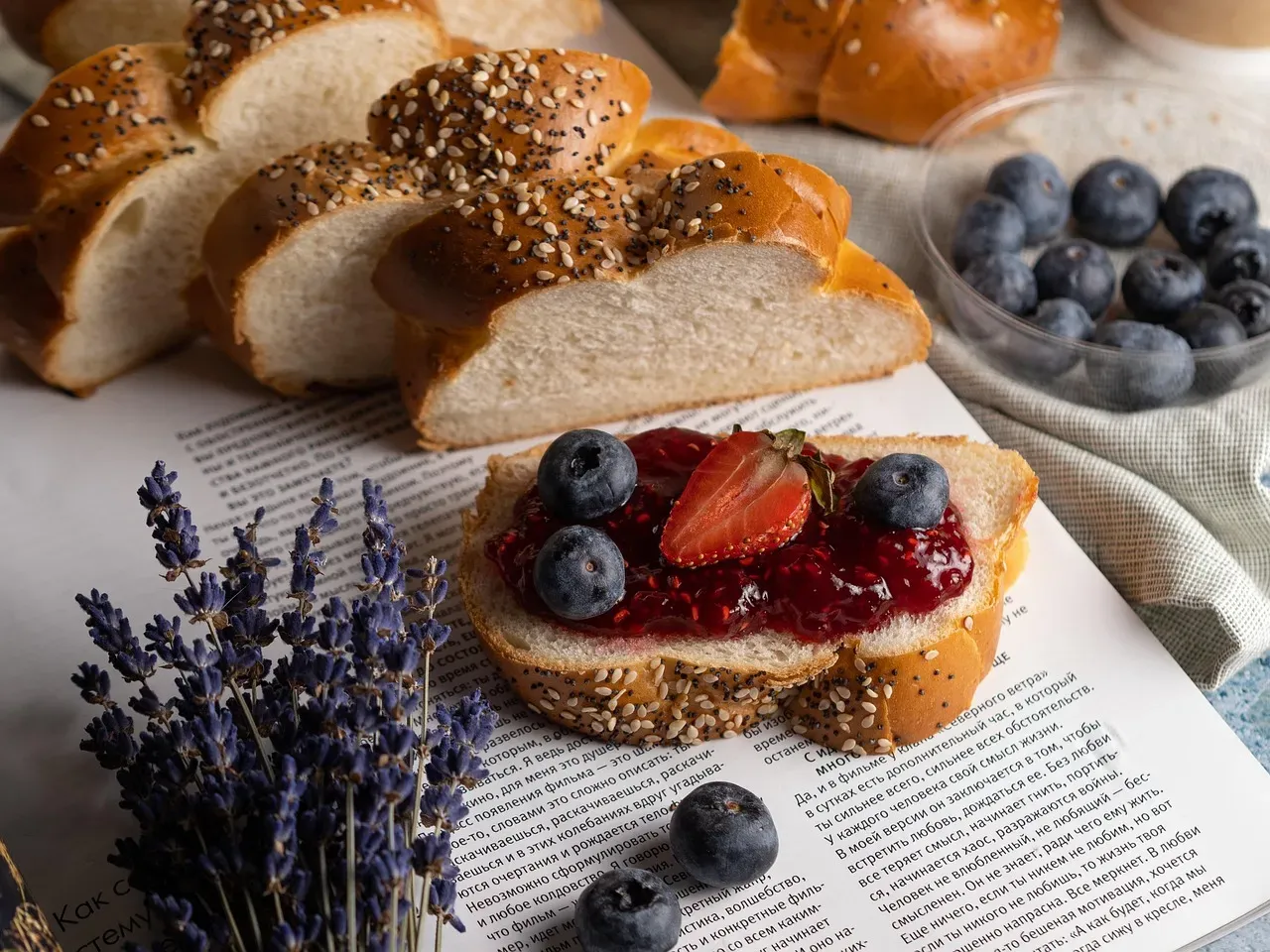
Victorian children’s literature overflows with mentions of bread and jam, from “Alice’s Adventures in Wonderland” to countless moral tales. This simple combination represented childhood itself, safety, and home in an era when child mortality was still heartbreakingly common.
Partner offer
Authors like Lewis Carroll and Frances Hodgson Burnett used these humble foods to create comfort in their stories. A slice of bread with strawberry preserves wasn’t fancy, but it meant you had someone who cared enough to feed you properly. In “The Secret Garden,” the simple Yorkshire meals signaled healing and return to health.
What strikes me about these references is their emotional weight. Victorian writers understood that food security wasn’t guaranteed for most families. Bread and jam represented stability, love, and the promise of tomorrow. It’s hard to say for sure, but I think that’s why these scenes still resonate with readers today.
The Exotic Spices of Colonial Adventure Novels

Writers like Rudyard Kipling and Joseph Conrad filled their books with descriptions of curry, saffron, cardamom, and other spices that Western readers found thrillingly foreign. These foods represented the appeal and danger of colonial ventures into Asia and Africa.
In stories set in India, meals became adventures unto themselves. British characters sweating through spicy dishes, trying to prove their worldliness, while simultaneously missing their bland English fare. The spices symbolized both the allure of empire and the discomfort of being somewhere you didn’t truly belong.
Looking back, these descriptions reveal as much about European attitudes as they do about actual cuisine. The exotic foods were presented as tests of character, challenges to overcome. Colonial literature used food to reinforce ideas about civilization and barbarism that we now recognize as deeply problematic.
The Gin and Cigarettes of Jazz Age Decadence
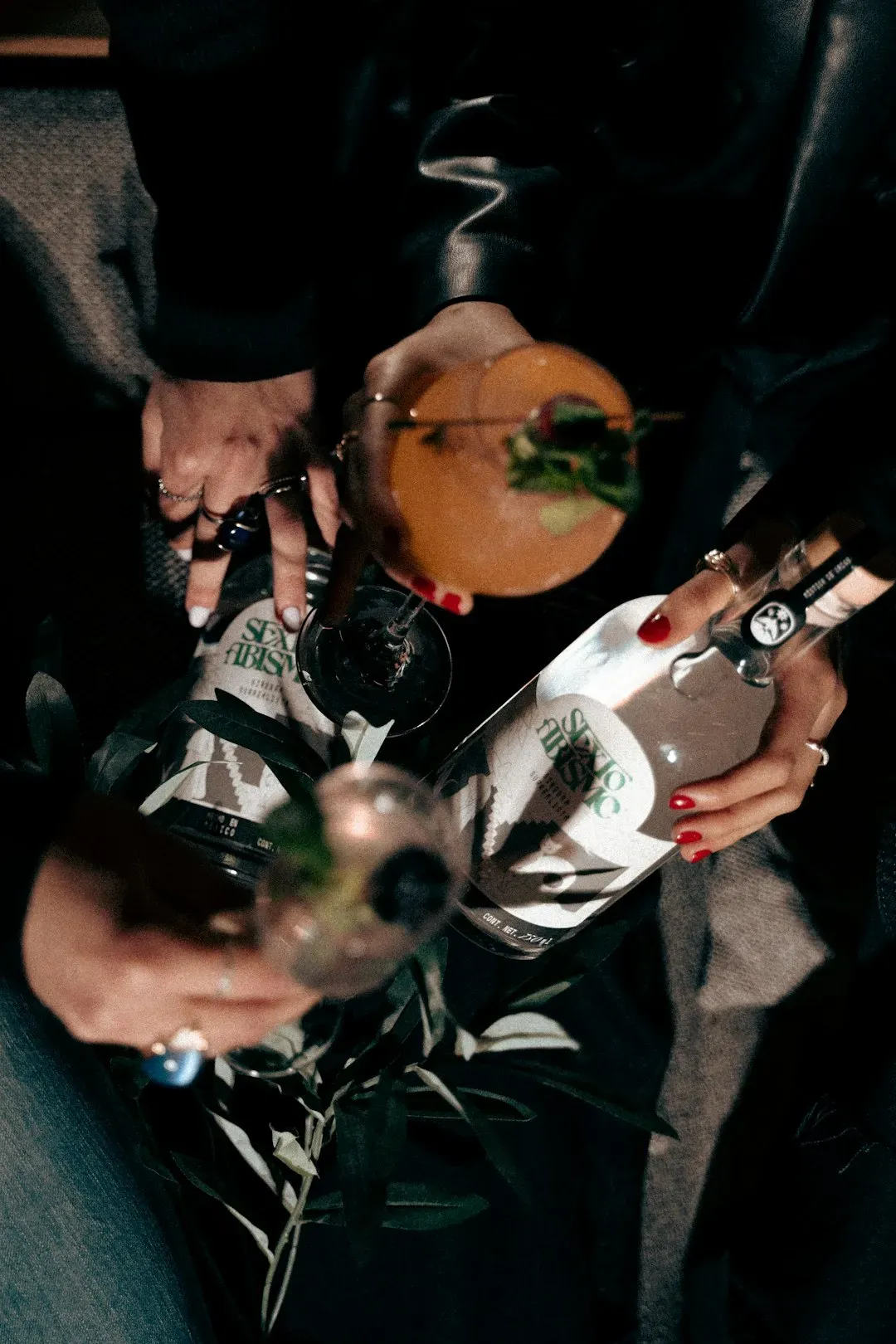
F. Scott Fitzgerald’s “The Great Gatsby” practically swims in bootleg champagne and cocktails served at endless parties. The Jazz Age was defined by Prohibition, which made drinking not just fun but rebellious. Literary foods from this era were less about sustenance and more about defiance.
Writers of the 1920s filled their work with speakeasies, hip flasks, and the kind of reckless consumption that characterized the decade. The food was often an afterthought, mentioned only as something to soak up the alcohol. What mattered was the party, the excess, the sense that rules no longer applied.
These literary meals captured a generation’s desire to forget the horrors of World War I and live only for the moment. The crash came eventually, both economically and metaphorically. But for a brief, shining moment, literature reflected a world where the champagne never stopped flowing and tomorrow didn’t matter.
The Gruel and Workhouse Fare of Dickensian England

Oliver Twist asking for more gruel might be literature’s most famous food scene. Charles Dickens used the thin, watery porridge to expose the cruelty of Victorian institutions and the hypocrisy of the wealthy who ran them.
Throughout Dickens’ work, food tells you everything about a character’s social position. The rich feast on roasted goose and plum pudding at Christmas, while the poor scrape by on scraps. The contrast wasn’t subtle, and it wasn’t meant to be. Dickens wanted readers angry about these inequalities.
His descriptions of institutional food, gray and barely edible, created lasting images of Victorian poverty that still influence how we imagine the era. The gruel represented systemic cruelty, the way institutions starved children while claiming to care for them. One bowl of thin porridge became a symbol of an entire social problem.
Conclusion: The Lasting Flavor of Literary Meals
Food in literature does something remarkable. It anchors stories in specific times and places while revealing universal truths about human nature. Whether it’s Edmund betrayed by Turkish Delight or Oliver Twist asking for more gruel, these meals stay with us long after we’ve finished reading.
The foods writers chose to describe were never random. They were careful selections meant to evoke entire worlds, to make us feel what characters felt, to preserve moments in time that might otherwise be forgotten. Through their descriptions of meals, authors gave us tangible connections to eras we’ll never experience.
These literary foods changed how we remember history, influenced real-world cuisine, and created cultural touchstones that span generations. They prove that sometimes the most powerful way to capture an era isn’t through grand events but through the simple act of sitting down to eat. What’s your favorite food moment in literature? Let us know in the comments.
Partner offer
Planning a trip to Vegas?
Compare hotel rates and show tickets on VEGAS.com.