Ever wondered if your daily food choices could actually add years to your life? It sounds almost too simple, but science keeps pointing us in that direction. We’re living in a time when researchers can track thousands of people for decades, measuring not just how long they live but how well they age. The findings are pretty fascinating, I have to say.
Some foods seem to keep our cells younger, our hearts healthier, and our minds sharper. Others, sadly, do the opposite. The gap between eating well and eating poorly might be bigger than you think.
Plant-Based Foods Pack a Longevity Punch

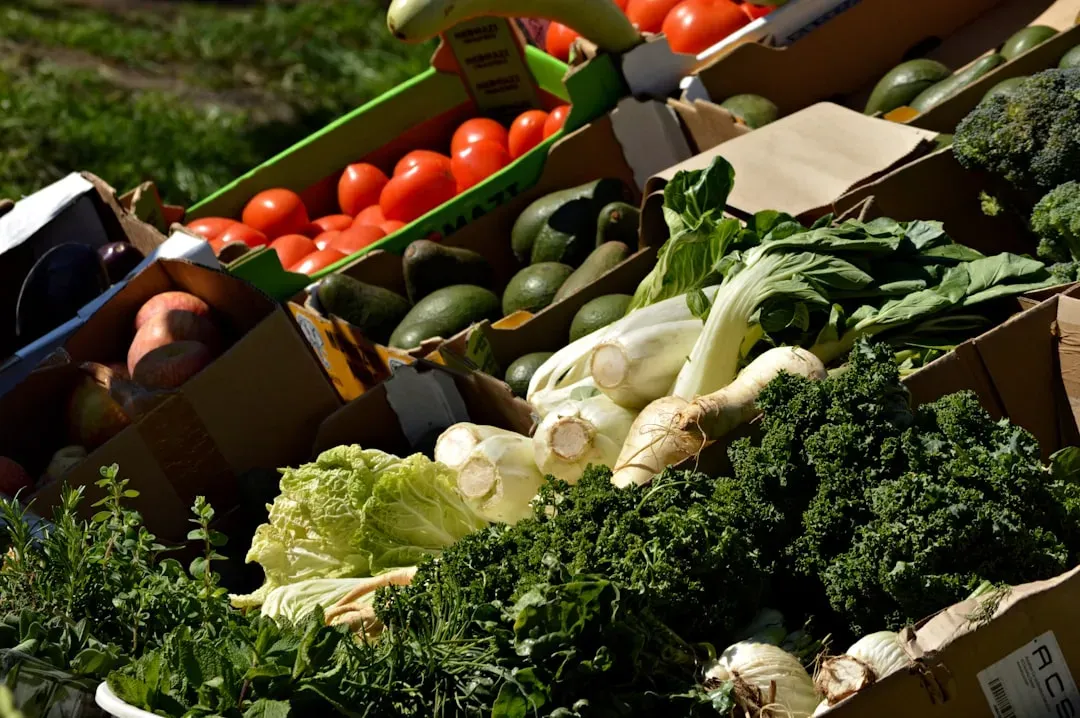
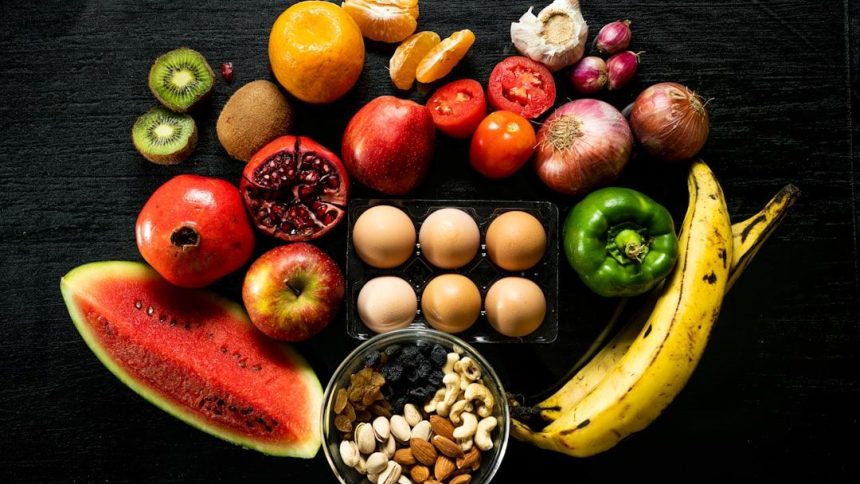
Recent research tracking over 105,000 people found that only about one in ten aged healthily, reaching 70 without major chronic conditions while maintaining strong mental and physical health. What set these healthy agers apart? They shared one thing in common: a diet rich in plant-based foods, low in highly processed foods, with a moderate intake of animal-based products.
According to a 2024 study published in the American Journal of Clinical Nutrition, 40-year-old men in the United States could potentially gain nearly 10 years of life expectancy by switching from typical American diets to longevity-optimized eating patterns. That’s a lot of extra birthdays. The United States showed the greatest opportunity to increase longevity due to widespread consumption of processed meat and added sugars, combined with low intake of whole grains, nuts, legumes, and fish.
The Mediterranean Magic and Blue Zones Blueprint

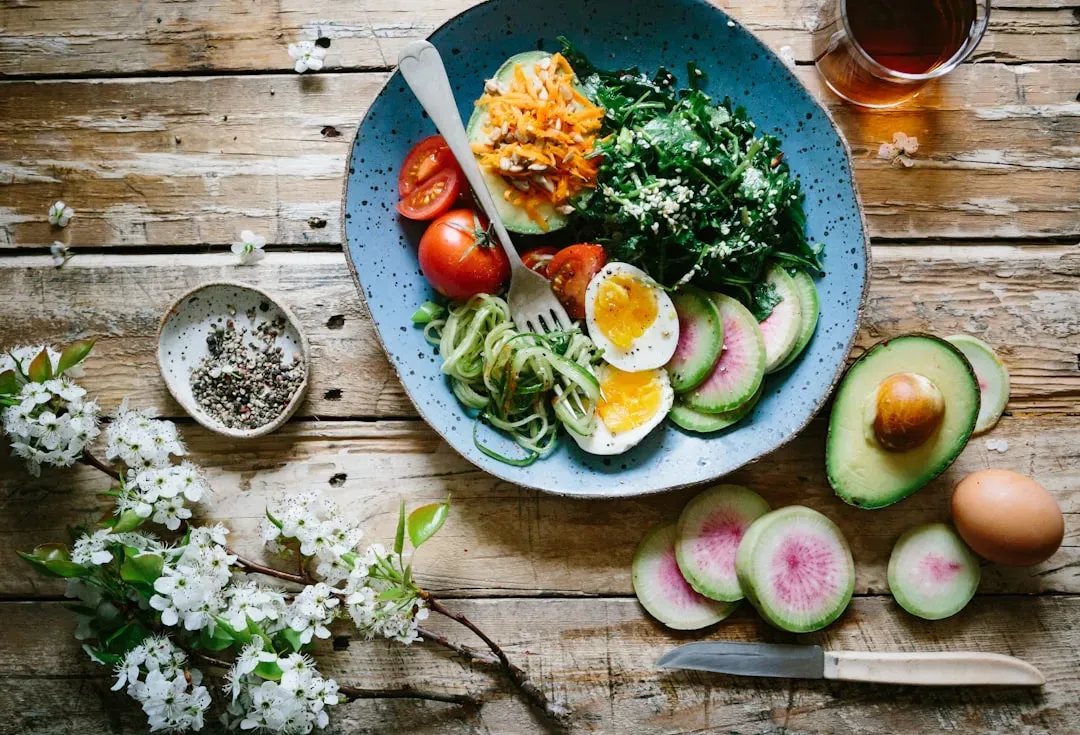
The Mediterranean diet relies on large consumption of fruit, vegetables, cereals, and extra-virgin olive oil, with less red meat and fat intake, and has been linked to longevity in areas like Ogliastra in Sardinia, Ikaria in Greece, the Peninsula of Nicoya in Costa Rica, and Okinawa in Japan. People in these regions, known as Blue Zones, routinely live past 100.
Here’s what stands out to me. One study found that legumes are the most important dietary predictor of survival in older people of different ethnicities. Think about that for a second. Simple beans and lentils, not some expensive superfood powder. Combining a healthy diet with other lifestyle factors could extend disease-free life expectancies by 8 to 10 years.
Nuts and Berries Fight Brain Aging

The Harvard Nurses’ Health Study showed that berry consumption appears to delay cognitive aging by up to two and a half years and intake of nuts by two years. That’s not just about living longer but thinking clearly while you do it. In a 2022 study, people with the highest intake of pelargonidin, an anti-inflammatory compound found in berries, or strawberries had the smallest amounts of tau protein tangles in the brain associated with Alzheimer’s disease.
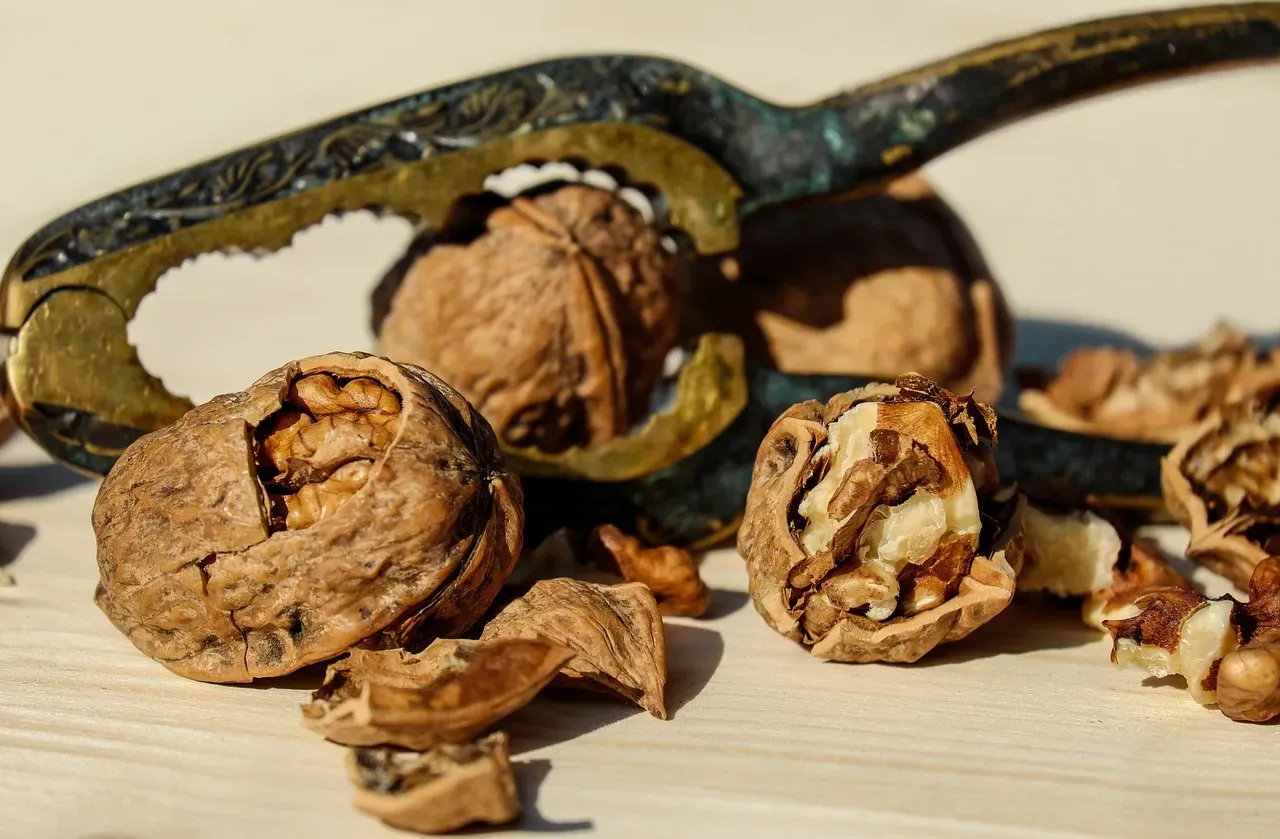
Available evidence suggests a possible role for nuts in the maintenance of cognitive health and prevention of cognitive decline across the lifespan, particularly in older adults and those at higher risk. A landmark Harvard study tracking more than 100,000 participants over 30 years found that those who ate a daily handful of nuts had a 20% lower mortality rate compared to non-consumers, attributed to lower incidences of heart disease, type 2 diabetes, and certain cancers.
The AHEI Diet Tops the Charts

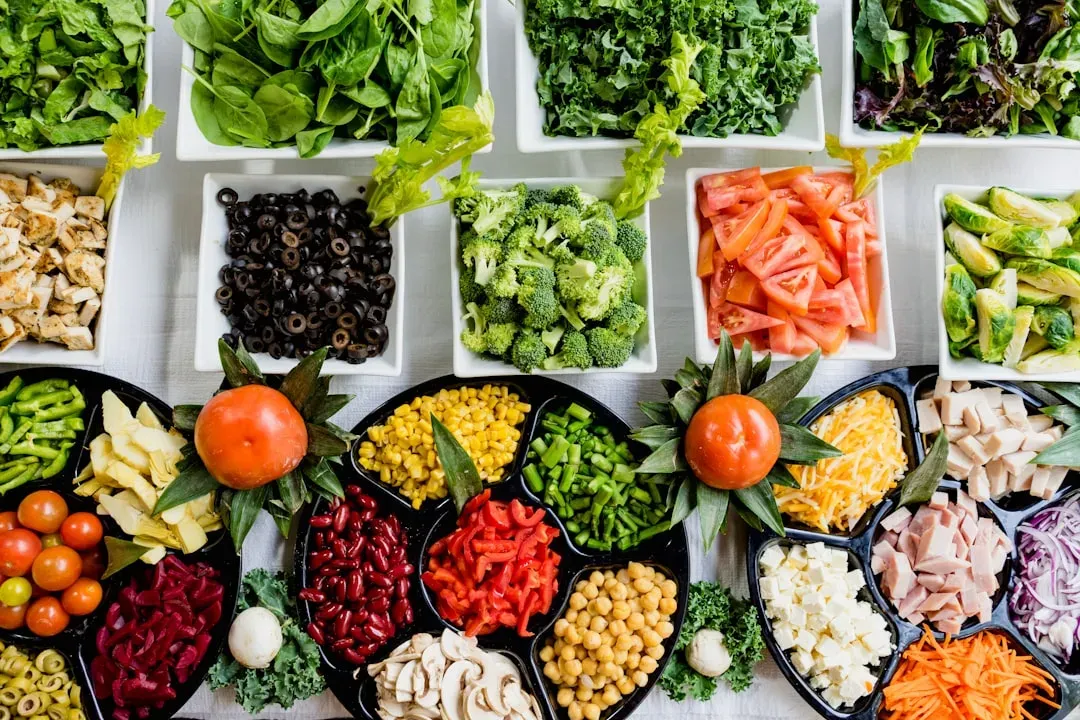
Participants in the top 20% of the Alternative Healthy Eating Index score had an 86% greater likelihood of healthy aging at 70 years and a 2.2-fold higher likelihood at 75 years compared to those in the lowest group. Let’s be real, those are impressive numbers. The AHEI diet is rich in fruits, vegetables, whole grains, nuts, legumes and healthy fats, and low in red and processed meats, sugar-sweetened beverages, sodium and refined grains.
Researchers concluded that dietary patterns rich in plant-based foods, with moderate inclusion of healthy animal-based foods, may enhance overall healthy aging.
Ultra-Processed Foods Are Stealing Your Years


Eating higher levels of ultraprocessed food may shorten lifespans by more than 10%, according to research following over 500,000 people for nearly three decades. That’s genuinely shocking when you think about how much of our food supply consists of these products. People who consumed significant amounts of ultra-processed food were 10% more likely to die, especially from heart disease and diabetes, during the study’s two-decade follow-up period.
Compared to the lowest consumption group, participants with the highest ultra-processed food intake had a 15% increased risk of all-cause mortality, with a 10% higher risk detected for each 10% increment in consumption. It’s hard to say for sure, but the inflammation and metabolic disruption these foods cause probably plays a major role.
Partner offer

Processed and Red Meat: A Serious Warning

Increasing total processed meat intake by half a daily serving or more was associated with a 13% higher risk of mortality from all causes, while the same amount of unprocessed meat increased mortality risk by 9%. Highly processed meat and soft drinks were a couple of the subgroups of ultraprocessed food most strongly associated with mortality risk.
Men and women in the highest versus lowest group of red meat intake had elevated risks for overall mortality, with hazard ratios of 1.31 and 1.36 respectively, while processed meat showed hazard ratios of 1.16 and 1.25. The evidence keeps piling up, year after year.
Sugar-Sweetened Drinks Are Worse Than You Think

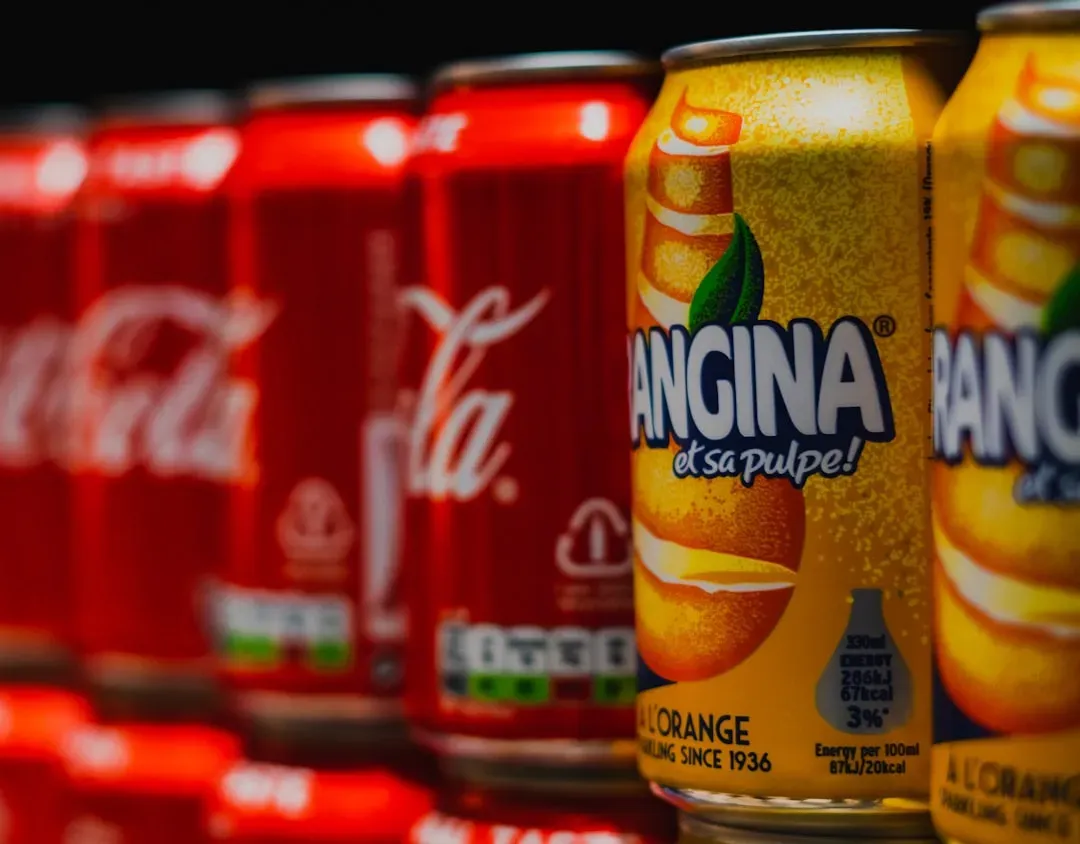
I know it sounds crazy, but diet sodas aren’t much better. Diet drinks are considered ultraprocessed food because they contain artificial sweeteners such as aspartame, acesulfame potassium and stevia, and additional additives not found in whole foods. Your body doesn’t recognize these substances, and research suggests they mess with your metabolism in unexpected ways.
Regular sugary drinks? Even worse. They’re basically liquid calories that spike your blood sugar, promote inflammation, and contribute to weight gain without making you feel full. The vast majority of health experts agree that cutting these out is one of the simplest changes you can make.
Whole Grains and Legumes Deserve More Attention


Americans show widespread consumption of foods like processed meat and added sugars, combined with low intake of longevity-promoting foods like whole grains, nuts, legumes, and fish. We’re doing it backwards, honestly. Whole grains provide fiber that feeds beneficial gut bacteria, which in turn produce compounds that reduce inflammation throughout your body.
Legumes like chickpeas, lentils, and black beans are protein powerhouses that stabilize blood sugar and keep you satisfied. They’re cheap, versatile, and packed with nutrients. Beans and legumes appear in almost every longevity diet in some form, with one study finding them to be the most important dietary predictor of survival in older people of different ethnicities.
Fish Over Red Meat Makes a Difference


Substituting 150 grams per week of red meat with poultry or fish has been associated with a lower risk of all-cause mortality and death due to cancer, consistent with reviews showing that replacing red meat with fish lowers coronary heart disease risk. Fish delivers omega-3 fatty acids that fight inflammation and support brain health. The colder water varieties like salmon, mackerel, and sardines pack the most punch.
Honestly, you don’t need to eat fish every day. A few servings per week seems to be the sweet spot according to most research. Quality matters too, with wild-caught generally considered preferable to farmed.
Making the Switch: It’s Never Too Late
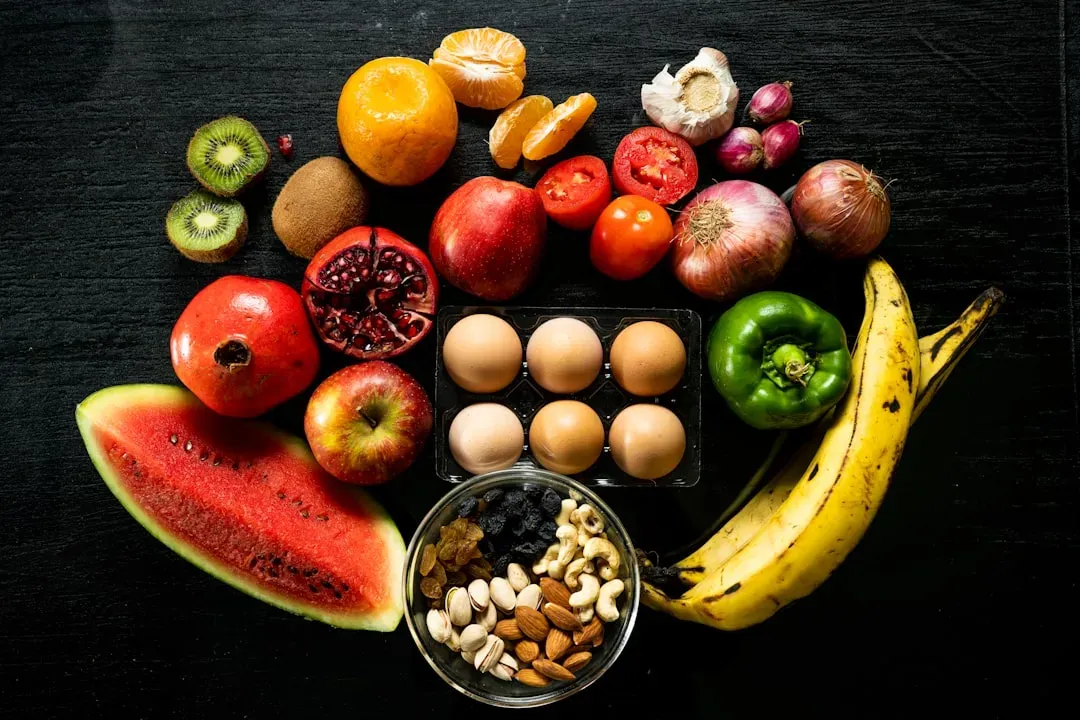
Decreasing red meat and simultaneously increasing healthy alternative food choices over time was associated with lower mortality. You don’t have to overhaul everything overnight. Small, consistent changes add up over months and years. Even making more feasible dietary changes, shifting halfway between a typical Western diet and longevity-optimized patterns, could result in an increase of 6 to 7 years of life expectancy.
Maintaining a healthy weight throughout life is pivotal for healthy aging and longevity. The foods we’ve been talking about naturally support healthy weight because they’re nutrient-dense and satisfying. You feel full on fewer calories without feeling deprived.
What surprises me most about all this research is how consistent the message is. Whether scientists study people in Japan, Italy, Costa Rica, or the United States, the same patterns emerge. More plants, less processing, moderate portions, and staying active. It’s not complicated, but it does require intention in a world designed to sell us convenience over health. Did you think changing your diet could really add a decade to your life? What would you do with those extra years?
Partner offer
Planning a trip to Vegas?
Compare hotel rates and show tickets on VEGAS.com.