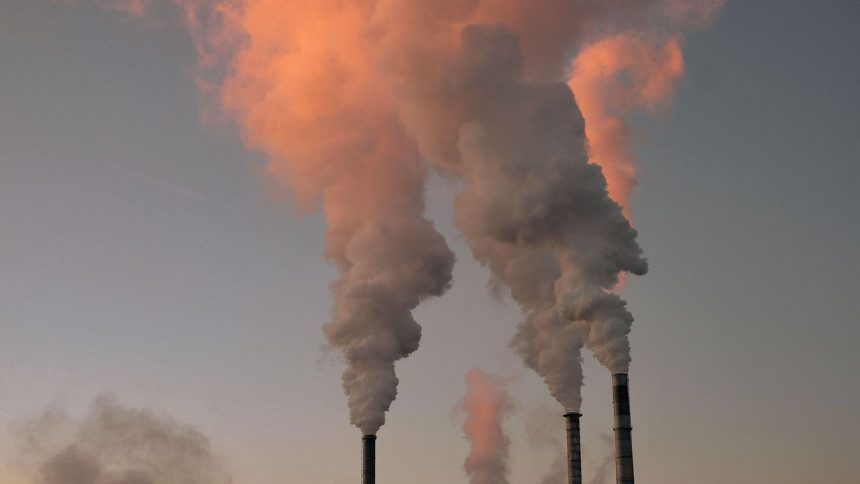
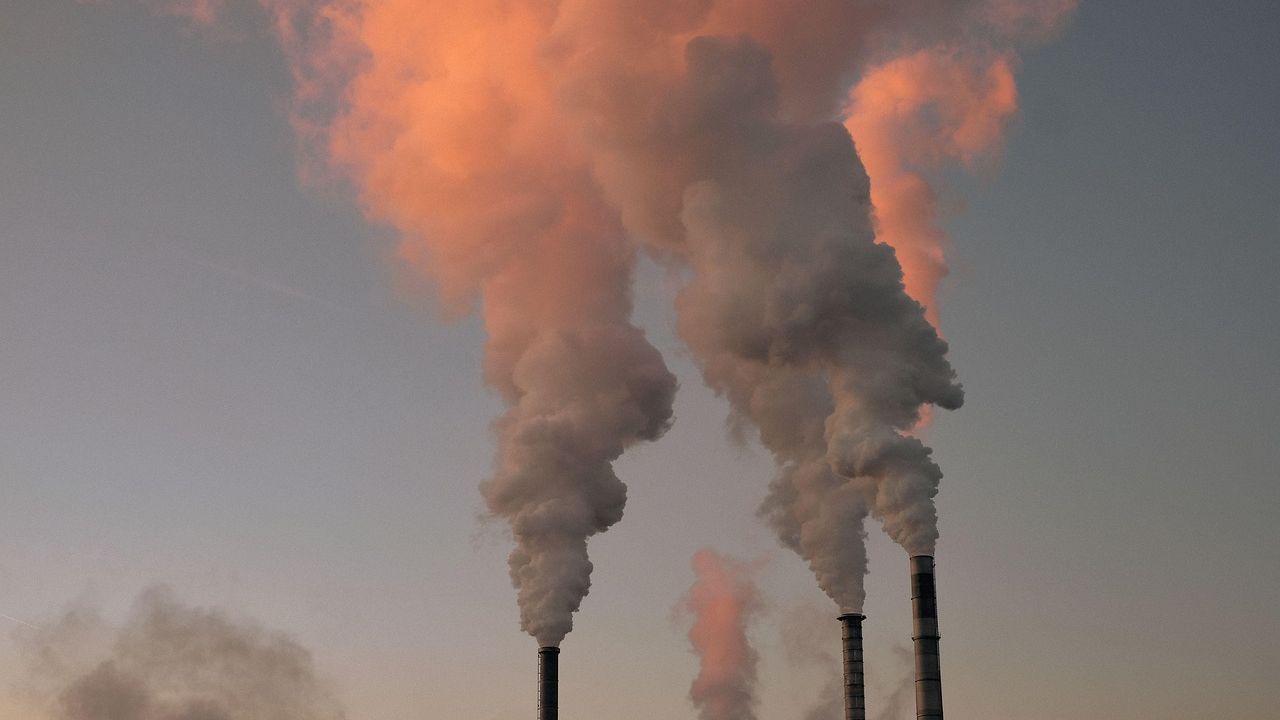

Smog in Phoenix and Salt Lake City? The E.P.A. is blaming Asia – Image for illustrative purposes only (Image credits: Pixabay)
Residents in Phoenix and the Salt Lake City area have endured persistent ozone pollution that irritates lungs and exacerbates asthma, yet stricter federal controls now appear unlikely. The Environmental Protection Agency recently decided these regions would have met air quality standards without interference from abroad, sparing them reclassification to more severe nonattainment status.[1][2] This move highlights growing recognition of transboundary pollution, though critics argue it overlooks controllable local sources.
EPA’s Use of a Rarely Invoked Provision
On March 23, 2026, the EPA finalized a determination for the Phoenix-Mesa area under Section 179B of the Clean Air Act. The agency concluded the region would have attained the 2015 ozone standard of 70 parts per billion by its August 3, 2024, deadline absent international emissions.[1] This marked the first application of the provision since EPA Administrator Lee Zeldin rescinded prior restrictive guidance in April 2025.
A similar proposal emerged for Utah’s Northern Wasatch Front, encompassing Salt Lake City, on April 21, 2026. The EPA aims to repeal a December 2024 reclassification from moderate to serious nonattainment, citing technical analysis that international emissions and wildfire smoke drove exceedances.[2] Both decisions prevent additional requirements like enhanced permitting and emission offsets for industries and vehicles.
The Role of Distant Pollution Sources
Modeling from regional agencies and the EPA attributes much of the ozone problem to factors beyond local control. In Phoenix-Mesa, roughly 80 percent of ozone stems from uncontrollable sources, including cross-border pollution from Mexico and Asia, as well as wildfires.[3] The remaining 20 percent arises from local activities such as vehicles, power plants, and volatile organic compounds from consumer products.
Utah officials have noted that at least 20 percent of Western ozone travels from Asia, compounded by the Wasatch Front’s inversion layers that trap pollutants.[3] Ozone forms when sunlight reacts with nitrogen oxides and volatile organics, and precursors can drift thousands of miles on wind currents. These findings allowed the areas to demonstrate compliance in hypothetical scenarios excluding foreign contributions.
Partner offer

Health Toll of Lingering Ozone
Phoenix ranks fourth nationwide for ozone pollution, earning an F grade from the American Lung Association, while Salt Lake City fares similarly poor.[3] Exposure triggers respiratory infections, lung irritation, and heightened risks for heart disease, hitting children, the elderly, and asthmatics hardest.
Despite local emission reductions, three-year averages exceeded 80 parts per billion in Phoenix from 2021 to 2023. Valley topography acts like a bowl, pooling smog, while Utah’s winter inversions worsen winter air quality. Families continue monitoring air quality indexes, limiting outdoor time on bad days.
| Pollution Source | Phoenix-Mesa Estimate | Key Examples |
|---|---|---|
| Uncontrollable (80%) | International, wildfires | Mexico, Asia, natural events |
| Local (20%) | Human-made | Cars, factories, VOCs |
Pushback from Environmental Advocates
Environmental groups decried the decisions as a dodge for local accountability. Earthjustice senior attorney David Baron called the Phoenix waiver “illegal and just plain wrong,” arguing most pollution originates domestically from industry and vehicles.[4] He emphasized ozone’s dangers to vulnerable groups.
Sierra Club’s Luis Miranda criticized the Utah proposal, stating, “Crying wolf about foreign emissions won’t change the fact that the vast majority of our air pollution comes from transportation and local industry.”[5] Critics fear weakened Clean Air Act enforcement could stall progress, benefiting polluters over public health. Local officials, however, welcomed the relief, with Maricopa Association of Governments’ Matthew Poppen noting efforts addressed all solvable portions.[3]
Balancing Local Action and Global Realities
The exemptions maintain moderate nonattainment obligations, requiring ongoing plans for reasonable progress. EPA officials like acting regional administrator Mike Martucci framed the moves as fairness: “not punishing Americans for emissions from countries that do not have our same environmental standards.”[1]
As climate patterns shift and Asian economies grow, trans-Pacific pollution may intensify. For Southwest residents, the debate underscores a tension: how much control exists over air breathed daily, when winds carry contaminants from afar? Local initiatives persist, but ultimate clarity demands both domestic vigilance and international cooperation.
Partner offer
Planning a trip to Vegas?
Compare hotel rates and show tickets on VEGAS.com.